

Stiaccino vs Saltimpalo
Saxicola rubetra contro Saxicola rubicola
Fai un quiz con Stiaccino e Saltimpalo
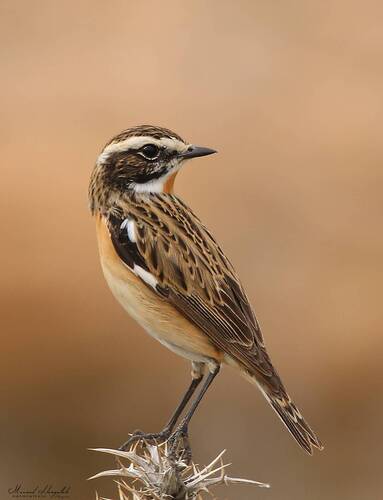 Stiaccino
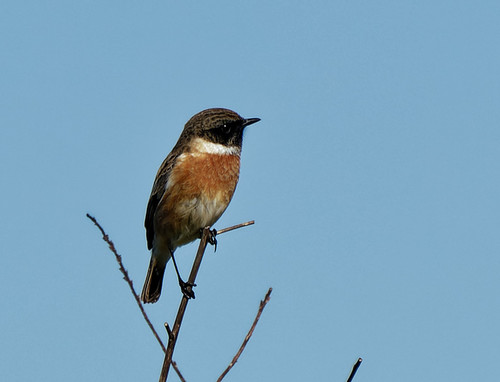 Saltimpalo
In breve
Il segno di campo più affidabile per separare lo Stiaccino dal Saltimpalo è il forte supercilium pallido dello Stiaccino (sopracciglio), che è sempre presente e ovvio in tutte le età e sessi, mentre il Saltimpalo manca di questa caratteristica. Inoltre, lo Stiaccino è più snello con ali più lunghe e mostra un ventre più chiaro e bianco e un bianco più prominente nella coda quando viene scosso. Il Saltimpalo è più compatto e più scuro nel complesso, specialmente nelle popolazioni occidentali, e ha un supercilium molto meno distinto o assente. Gli Stiaccini immaturi e femminili possono sembrare simili agli Stiaccini femmina/immaturi, ma il forte supercilium e le parti inferiori più chiare sono indizi coerenti. In volo o quando posato, cerca la proiezione primaria più lunga dello Stiaccino e la postura più eretta rispetto al Saltimpalo più tozzo e con ali più corte.
Consigli di identificazione
- Supercilium (sopracciglio): Lo Stiaccino mostra sempre un forte supercilium pallido, ovvio in tutte le età e sessi; il Saltimpalo manca di questo, o al massimo mostra un sopracciglio debole e poco definito in alcune femmine/immaturi.
- Colore del ventre: Lo Stiaccino ha un ventre di un pallido color buff a bianco, spesso in contrasto con il petto arancio-buff; il ventre del Saltimpalo è solitamente più scuro, a volte bianco nei maschi ma meno esteso e spesso striato nelle femmine/immaturi.
- Tono generale: Lo Stiaccino è più chiaro e meno saturo, specialmente rispetto ai toni scuri e ricchi del Saltimpalo europeo occidentale (S. r. hibernans). Il Saltimpalo è generalmente più scuro e più 'nerastro' sopra, specialmente nelle regioni atlantiche umide.
- Colore del coda: La coda dello Stiaccino è maculata di marrone, corrispondente alla schiena; la coda del Saltimpalo è piccola, bianca e spesso striata di nero, ma mai così chiara o non marcata come il Saltimpalo siberiano.
- Macchie sulle ali: Il maschio dello Stiaccino mostra piccole macchie bianche sulle ali (copritrici maggiori e mediane interne) tutto l'anno; la femmina dello Stiaccino può mostrare macchie sulle ali più piccole o assenti. I maschi del Saltimpalo hanno una piccola macchia scapolare bianca, le femmine solo una macchia buffa o debole.
- Schema del viso: Il maschio dello Stiaccino in abito nuziale ha una maschera nerastra bordata di bianco; il maschio del Saltimpalo ha una testa completamente nera con un mezzo collare bianco ma senza supercilium.
- Proiezione primaria: Lo Stiaccino ha ali più lunghe e appuntite (adattate per la migrazione), visibili come una proiezione primaria più lunga oltre le terziali quando è posato; le ali del Saltimpalo sono più corte e arrotondate.
- Struttura/jizz: Lo Stiaccino appare più snello, con ali più lunghe e meno 'tozzo'; il Saltimpalo è più compatto e con corpo rotondo.
- Schema della coda: La coda dello Stiaccino è nerastra con basi bianche prominenti sulle piume esterne, spesso lampeggiata quando scossa; la coda del Saltimpalo è più scura con meno bianco evidente.
- Comportamento: Lo Stiaccino spesso scuote sia la coda che le ali, mostrando lampi bianchi; il Saltimpalo è meno propenso a scuotere le ali e appare più statico.
- Habitat/stagione: Nelle zone montane occidentali e settentrionali, lo Stiaccino è più probabile in estate; il Saltimpalo è più diffuso tutto l'anno, specialmente nelle zone basse e costiere in inverno.
- Trappole di sesso/età: Le femmine e gli immaturi di Stiaccino possono sembrare femmine/immaturi di Saltimpalo, ma il supercilium e il ventre più chiaro sono indizi coerenti. Il maschio del Saltimpalo è più scuro e più contrastante, con una testa nera e un collare bianco.
- Confusione di sottospecie: I Saltimpalo meridionali pallidi (S. r. rubicola) possono avvicinarsi allo Stiaccino nel tono generale, ma mancano comunque del forte supercilium e hanno un diverso schema della coda.
- Viste in volo: In volo, lo Stiaccino mostra ali più lunghe e più bianco nella coda; il Saltimpalo appare con ali più corte e meno contrastanti.
- Tempistica della muta: Non è solitamente diagnostico sul campo, ma nota che gli adulti di Stiaccino hanno una muta post-nuziale completa, mentre i giovani hanno una muta parziale, che può influenzare la nitidezza dei bordi del piumaggio a fine estate.
Taglia
Entrambe le specie sono simili in dimensioni, vicine al Pettirosso. Lo Stiaccino è leggermente più grande e snello (12–14 cm di lunghezza, 13–26 g) rispetto al Saltimpalo europeo (11,5–13 cm, 13–17 g) [wikipedia][avonet]. La differenza è sottile e raramente diagnostica sul campo, ma lo Stiaccino appare spesso più allungato e meno compatto, in parte a causa della sua proiezione alare più lunga.
Piumaggio
-
Uccelli giovanili/immaturi: Gli immaturi e le femmine di Stiaccino possono sembrare simili a quelli del Saltimpalo europeo, ma lo Stiaccino mostra sempre un forte supercilium pallido e un ventre più bianco e meno striato. Gli immaturi/femmine del Saltimpalo europeo sono più opachi, mancano di un forte supercilium e hanno parti inferiori più scure e più striate. Entrambi possono mostrare del bianco nelle ali, ma i maschi di Stiaccino (anche in piumaggio non riproduttivo) mantengono piccole macchie bianche sulle ali, mentre le femmine di Saltimpalo spesso hanno solo una macchia scapolare bianco-buff.
-
Adulti (piumaggio nuziale): Il maschio dello Stiaccino ha una maschera facciale nerastra bordata da un forte supercilium bianco e una striscia malare, gola e petto arancio-buff, e macchie bianche sulle ali. Il maschio del Saltimpalo europeo ha una testa nera, gola e petto arancio, ventre bianco e un mezzo collare bianco, ma manca del forte supercilium e ha una macchia scapolare e una macchia alare bianche molto più piccole. La femmina dello Stiaccino è più chiara, con un supercilium buffo e meno contrasto nel complesso; la femmina del Saltimpalo è più marrone e manca del supercilium, con solo una macchia scapolare debole o bianco-buff.
-
In volo: Lo Stiaccino mostra ali più lunghe e appuntite e una base bianca più evidente sulle piume esterne della coda, mentre le ali del Saltimpalo sono più corte e il modello della coda è meno appariscente.
Comportamento
Entrambe le specie si posano erette su arbusti o steli alti e si lanciano per gli insetti, ma lo Stiaccino appare spesso più attivo, scuotendo sia la coda che le ali per mostrare lampi bianchi, specialmente i maschi. I movimenti dello Stiaccino sono un po' più agili e meno 'tozzi' rispetto al Saltimpalo, che tende a sembrare più rotondo e compatto quando è posato. Entrambi possono utilizzare strategie di foraggiamento simili, ma le ali più lunghe dello Stiaccino sono più evidenti in volo e quando si allungano.
Habitat
Entrambe le specie si sovrappongono in campagna aperta con arbusti sparsi, ma lo Stiaccino è più probabile in prati erbosi, pascoli e prati montani, specialmente nell'Europa occidentale e settentrionale. Il Saltimpalo europeo è più cattolico, trovato in brughiere, dune costiere e prati erbosi con rovi o ginestra, ed è più probabile nelle aree basse e costiere, specialmente al di fuori della stagione riproduttiva. Lo Stiaccino è un migratore a lungo raggio (nidifica in Europa/Asia, sverna in Africa), mentre il Saltimpalo europeo è per lo più residente o un migratore a breve distanza, quindi il Saltimpalo è più probabile in Europa in inverno.