

Violet-backed Starling vs Chestnut-winged Starling
Cinnyricinclus leucogaster contro Onychognathus fulgidus
Fai un quiz con Violet-backed Starling e Chestnut-winged Starling
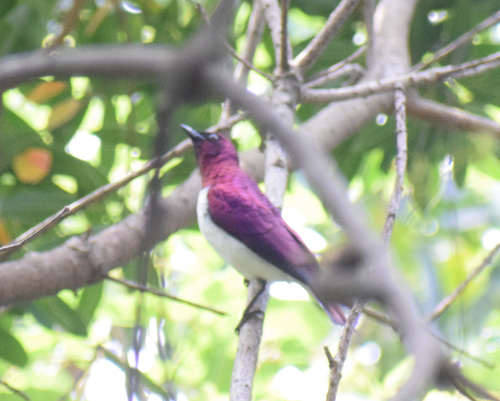 Violet-backed Starling
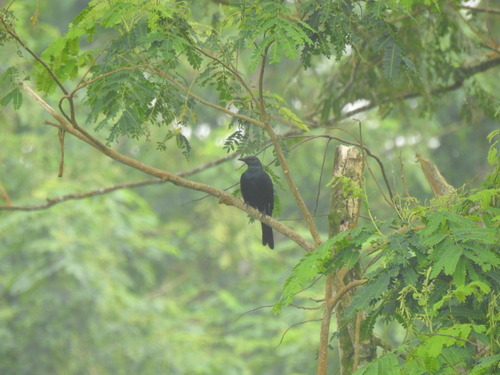 Chestnut-winged Starling
In breve
Il segno distintivo più affidabile per separare il Violet-backed Starling dal Chestnut-winged Starling è il forte dimorfismo sessuale e il contrasto del piumaggio nel Violet-backed: i maschi adulti sono straordinariamente iridescenti di viola sopra con parti inferiori bianche pure, mentre le femmine sono marroni e fortemente striate, somigliando a un tordo. Il Chestnut-winged Starling, al contrario, manca di questo dimorfismo ed è caratterizzato da un piumaggio uniformemente scuro con ali color castagna, senza le audaci parti inferiori bianche o striate. Se vedi un starling con un dorso viola brillante e un ventre bianco pulito (maschio) o un uccello marrone e bianco fortemente striato (femmina), è un Violet-backed; un uccello più scuro con ali castagne nella foresta pluviale è un Chestnut-winged. I Violet-backed Starlings immaturi e femminili sono una trappola comune, poiché il loro motivo striato può essere scambiato per altre specie, ma il Chestnut-winged non mostra mai questa striatura simile a un tordo.
Consigli di identificazione
- Il maschio adulto di Violet-backed Starling è inconfondibile: Cerca un piccolo starling con una testa e un dorso viola scintillanti, e un ventre e un petto bianchi puri. Nessun altro starling nella regione mostra questa combinazione.
- La femmina adulta di Violet-backed Starling è fortemente striata: Le femmine sono marroni sopra con striature audaci e bianche sotto con forti striature, dando un aspetto simile a un tordo. Il Chestnut-winged Starling non mostra mai questo motivo.
- Il Chestnut-winged Starling ha ali color castagna: In tutti i piumaggi, cerca la ricca colorazione castagna sulle ali, specialmente visibile in volo o in buona luce. Il resto del piumaggio è scuro e manca di un forte contrasto.
- Nessuna parte inferiore bianca nel Chestnut-winged: Se vedi uno starling con parti inferiori bianche pulite (maschio) o bianche con forti striature (femmina/immaturo), non è un Chestnut-winged.
- Il dimorfismo sessuale è fondamentale: Solo il Violet-backed Starling mostra forti differenze tra maschio e femmina; il Chestnut-winged è simile in entrambi i sessi.
- L'iridescenza è diagnostica per i maschi di Violet-backed: Il riflesso viola è unico e non è paragonabile al piumaggio più opaco e scuro del Chestnut-winged.
- Confusione giovanile/immatura: I giovani Violet-backed Starlings somigliano alle femmine adulte e possono essere scambiati per altri uccelli striati, ma i giovani Chestnut-winged non sono striati.
- Contesto dell'habitat: Nella foresta pluviale densa, è più probabile trovare il Chestnut-winged; ai margini di boschi o foreste, aspettati il Violet-backed.
- Altezza di alimentazione: Il Violet-backed è spesso in alto nella chioma, raramente a terra, il che può aiutare se vedi uno starling foraggiare in basso.
- Becco, zampe e iris: Entrambe le specie hanno becchi e zampe scuri, ma il Violet-backed ha iridi gialle in entrambi i sessi, che possono essere visibili a distanza ravvicinata.
- Vista da posato vs. in volo: In volo, cerca il castagno nelle ali (Chestnut-winged) rispetto al riflesso viola o al marrone striato (Violet-backed). Posato, le parti inferiori bianche o le forti striature del Violet-backed sono ovvie.
- Nessuna forte differenza di dimensioni: Non fare affidamento sulle dimensioni per separare questi due.
- Nessuna differenza di voce descritta: Le vocalizzazioni non sono un separatore affidabile basato sulle note attuali.
- Trappola: Le femmine e gli immaturi di Violet-backed Starlings sono spesso scambiati per altri uccelli striati; controlla sempre per la combinazione di parti inferiori striate e habitat.
- Indizi contestuali: Considera l'habitat circostante e la composizione del gruppo, poiché il Violet-backed può unirsi a gruppi misti in boschi aperti, mentre il Chestnut-winged è più ristretto alla foresta pluviale.
Taglia
Il Violet-backed Starling è uno starling relativamente piccolo, che misura circa 17–18 cm di lunghezza [wikipedia]. Le misure precise del Chestnut-winged Starling non sono fornite nelle note, ma entrambi sono starling di dimensioni medio-piccole e probabilmente si sovrappongono in dimensioni. La dimensione da sola non è un separatore affidabile sul campo tra queste due specie.
Piumaggio
- Maschi adulti (Violet-backed Starling): Testa e dorso iridescenti di viola, parti inferiori bianche pure. Questo forte contrasto è unico tra gli starlings nella regione. I maschi del Chestnut-winged Starling non mostrano questa colorazione; invece, sono scuri nel complesso con ali color castagna, privi di qualsiasi parte inferiore bianca o riflesso viola.
- Femmine adulte (Violet-backed Starling): Parti superiori marroni con striature audaci e parti inferiori bianche, fortemente striate, dando un aspetto simile a un tordo. Le femmine del Chestnut-winged Starling non hanno questo motivo striato; il loro piumaggio è più uniforme e scuro, con l'unico contrasto rappresentato dalle ali castagne.
- Violet-backed Starling immaturo/giovanile: Non descritto esplicitamente, ma probabilmente simile alla femmina adulta con un aspetto striato. I giovani del Chestnut-winged Starling non sono dettagliati, ma non ci sono prove che suggeriscano che mostrino forti striature o parti inferiori bianche.
- Motivo delle ali in volo: Nessuna nota specifica per entrambe le specie, ma la colorazione castagna nel Chestnut-winged è probabilmente visibile in volo, mentre il Violet-backed mostra o un riflesso viola (maschio) o marrone striato (femmina/immaturo) senza toni castagni.
Comportamento
Il Violet-backed Starling tende a nutrirsi in alto nella chioma, raramente scendendo a terra, e può lanciarsi per insetti come un catturatore di mosche [wikipedia]. Il comportamento di foraggiamento del Chestnut-winged Starling non è descritto in dettaglio, ma è generalmente tipico degli starlings. Entrambi nidificano in cavità o fessure degli alberi, ma questo non è un segno distintivo. Il comportamento non è un forte separatore, anche se la preferenza del Violet-backed per la chioma può essere un indizio sottile.
Habitat
Il Violet-backed Starling si trova ai margini di boschi e foreste di savana in tutta l'Africa sub-sahariana [wikipedia]. Il Chestnut-winged Starling è una specie della foresta pluviale tropicale africana [wikipedia]. Pertanto, il Violet-backed è più probabile trovarlo ai margini di boschi aperti e secchi, mentre il Chestnut-winged è previsto in foreste pluviali umide e dense. È possibile una sovrapposizione ai margini della foresta, ma l'habitat può essere un utile indizio di supporto.
Violet-backed Starling · Chestnut-winged Starling · I miei uccelli difficili