

Gambecchio nano vs Long-toed Stint
Calidris temminckii contro Calidris subminuta
Fai un quiz con Gambecchio nano e Long-toed Stint
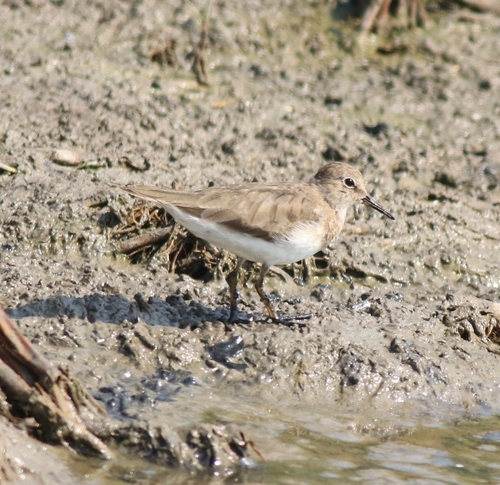 Gambecchio nano
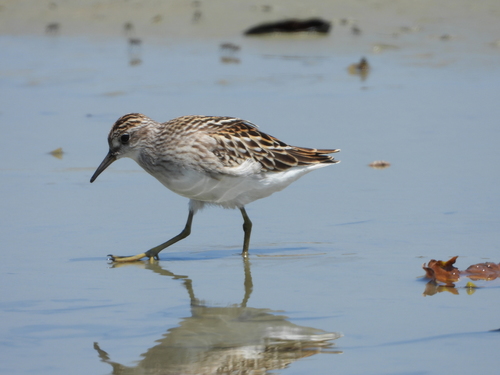 Long-toed Stint
In breve
Il segno di campo più affidabile tra il Gambecchio nano e il Long-toed Stint è la struttura delle gambe e delle dita: il Long-toed Stint ha dita decisamente più lunghe e più slanciate, specialmente quella centrale, conferendogli un aspetto più esile a terra. Entrambe le specie hanno gambe giallastre, ma quelle del Gambecchio nano sono più opache e talvolta brunastre, mentre quelle del Long-toed sono di un giallo più brillante. Nella livrea giovanile, il Long-toed Stint ha un motivo più luminoso sopra con toni rugginosi e strisce bianche sul mantello, mentre il Gambecchio nano è più semplice e meno vivace. Il Gambecchio nano mostra piume esterne della coda bianche, un segno chiave in volo o quando si sistema, mentre il motivo della coda del Long-toed è meno distintivo. Le differenze di struttura e di piumaggio sottili, specialmente nelle parti superiori e nel viso, sono cruciali per la separazione.
Consigli di identificazione
- Lunghezza e struttura delle dita: Il Long-toed Stint ha dita molto più lunghe e più slanciate, specialmente la dita centrale, conferendogli un aspetto simile a quello di un ragno. Questo è visibile quando l'uccello è in piedi o cammina sul fango. Il Gambecchio nano ha dita più corte e tozze.
- Colore delle gambe: Entrambi hanno gambe giallastre, ma quelle del Gambecchio nano sono di un giallo opaco o brunastro, mentre quelle del Long-toed sono di un giallo più brillante e chiaro. Questo è meglio giudicato in buona luce e può essere sottile.
- Motivo della coda in volo: Il Gambecchio nano mostra piume esterne della coda bianche, un segno forte quando la coda è aperta o in volo. La coda del Long-toed Stint è meno contrastante e manca di questo bordo bianco.
- Parti superiori giovanili: Il Long-toed Stint giovanile è più luminoso e più decorato sopra, con toni rugginosi e chiare strisce bianche sul mantello. Il giovanile del Gambecchio nano è più semplice, di un marrone opaco con poco contrasto e senza forti strisce sul mantello.
- Supercilium e corona: Il Long-toed Stint di tutte le età mostra un supercilium pallido (sopracciglio) e una corona marrone, conferendo un motivo facciale più contrastante. Il Gambecchio nano ha un viso più semplice, con un supercilium meno evidente e una testa più uniforme.
- Motivo del petto: Il Gambecchio nano ha spesso una macchia del petto più scura e definita, specialmente in inverno, mentre il petto del Long-toed è più uniformemente macchiato di marrone chiaro.
- Becco: Entrambi hanno becchi corti, sottili e scuri, ma quello del Long-toed può apparire leggermente più fine e appuntito. Questo è un segno minore e non sempre affidabile sul campo.
- Forma del corpo e jizz: Il Gambecchio nano è compatto, con una pancia arrotondata, gambe corte e una postura orizzontale. Il Long-toed Stint appare con un collo più lungo, più snodato e sta più eretto, in parte a causa delle sue gambe e dita più lunghe.
- Proiezione primaria: Il Gambecchio nano ha ali più lunghe rispetto al suo corpo, il che può essere visibile quando è a riposo (le primarie si estendono oltre la coda). Long-toed's primaries reach the tail tip but do not project as far.
- Colore delle parti inferiori: Entrambi sono bianchi sotto, ma il Gambecchio nano può mostrare una transizione più brusca dal petto più scuro al ventre bianco, mentre il Long-toed è più uniformemente chiaro.
- Jizz in volo: In volo, il Gambecchio nano appare compatto e veloce, con piume esterne della coda bianche prominenti. Il Long-toed appare più leggero, con meno contrasto nella coda e una barra alare più debole.
- Scelta microhabitat: Se entrambi sono presenti, il Long-toed potrebbe preferire bordi più umidi o più vegetati, usando le sue lunghe dita per camminare su vegetazione galleggiante o fango più morbido.
- Contesto stagionale: In Europa, il Long-toed Stint è un raro vagabondo; il Gambecchio nano è regolare. Se sei al di fuori dell'Asia, considera sempre la rarità.
- Trappole di piumaggio: In luce fioca, il colore delle gambe e le sottili differenze nelle parti superiori possono essere difficili da giudicare. Concentrati sulla struttura e sul motivo della coda se possibile.
- Voce: Non è separato in modo affidabile sul campo con le informazioni fornite, ma si dice che il richiamo in volo del Long-toed sia distintivo tra i trampolieri.
Taglia
Entrambi sono piccoli gambecchi, ma il Long-toed Stint pesa mediamente leggermente di più (30,5 g contro 26,05 g per il Gambecchio nano) e può apparire leggermente più lungo (13–16 cm contro 13,5–15 cm). Sul campo, questa differenza è sottile e facilmente mascherata dalla postura. Il Gambecchio nano ha gambe più corte e ali più lunghe, conferendogli un aspetto più compatto e meno esile rispetto all'aspetto del Long-toed Stint, che ha dita e collo più lunghi.
Piumaggio
- Uccelli giovanili/immaturi: I giovanili del Long-toed Stint sono decisamente più luminosi sopra, con toni rugginosi e chiare strisce bianche sul mantello, mentre i giovanili del Gambecchio nano sono di un marrone più semplice con poco contrasto e mancano di forti strisce sul mantello. Il Long-toed Stint mostra anche un supercilium pallido e una corona marrone, che è meno marcata nel Gambecchio nano.
- Adulti (riproduzione): Il Gambecchio nano è generalmente di un marrone opaco sopra con alcune piume del mantello rugginose o nerastre, ma mai così brillanti o decorate come il Long-toed. Gli adulti del Long-toed Stint sono di un marrone più ricco sopra con centri di piume più scuri e una chiara linea pallida sopra l'occhio.
- Adulti (non riproduzione/inverno): Entrambe le specie diventano più grigie sopra, ma il Gambecchio nano è di un grigio opaco a grigio-brunastro, mentre il Long-toed è grigio sopra con un supercilium pallido ancora visibile. Le parti inferiori sono bianche in entrambe, ma il Gambecchio nano ha spesso una macchia del petto più scura.
- Volo/parte superiore della coda: Il Gambecchio nano ha piume esterne della coda bianche, un forte segno sul campo in volo o quando la coda è aperta. La coda del Long-toed Stint è meno contrastante.
Comportamento
Entrambi foraggiano attivamente su fanghi, cercando cibo a vista e talvolta sondando. Il Long-toed Stint appare spesso più delicato e spinoso, con una postura distintiva a causa delle sue lunghe dita e gambe ben arretrate. Il Gambecchio nano è più compatto, spesso si nutre con una postura orizzontale. In stormi misti, il Long-toed può apparire più eretto e 'con articolazioni più sciolte' nei movimenti.
Habitat
Entrambe le specie utilizzano habitat fangosi o paludosi simili durante la migrazione e l'inverno. Il Gambecchio nano è diffuso nel Vecchio Mondo, mentre il Long-toed Stint è per lo più una specie asiatica e un raro vagabondo in Europa. L'habitat non è un forte separatore in aree sovrapposte, ma il Long-toed può essere trovato in microhabitat leggermente più umidi o più vegetati a causa delle sue lunghe dita.
Voce
Non sono descritte differenze vocali distintive nelle note fornite. Entrambe le specie hanno richiami tipici di gambecchi ad alta tonalità, ma si dice che il richiamo in volo del Long-toed Stint sia distintivo tra i trampolieri (dettagli non forniti).
Gambecchio nano · Long-toed Stint · I miei uccelli difficili