

Southern Martin vs Brown-chested Martin
Progne elegans contro Progne tapera
Fai un quiz con Southern Martin e Brown-chested Martin
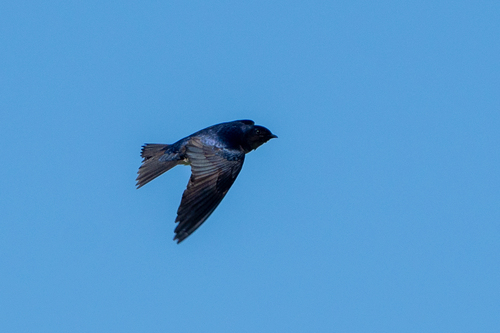 Southern Martin
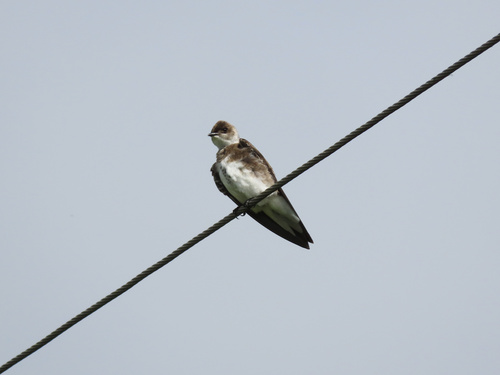 Brown-chested Martin
In breve
Il miglior segno sul campo per separare il Southern Martin dal Brown-chested Martin è il colore generale: i maschi adulti di Southern Martin sono blu acciaio lucido sopra, mentre i Brown-chested Martin di tutte le età sono marrone sabbia sopra con una gola bianca e una banda petto marrone. Le femmine e i giovani di Southern Martin sono blu più opaco sopra con parti inferiori marrone scuro e un aspetto squamoso, ma mai marrone sabbia. Il Brown-chested Martin è più piccolo, più chiaro sotto e mostra una coda meno profondamente biforcuta. I giovani Brown-chested Martin hanno una coda più squadrata e un lavaggio grigio-marrone sulla gola, mentre i giovani Southern Martin somigliano a femmine adulte opache ma non sono mai marrone sabbia. Entrambe le specie possono essere viste in aree aperte, ma il Southern Martin è più pesante e massiccio.
Consigli di identificazione
- Il maschio adulto di Southern Martin è blu acciaio lucido sopra e nerastro su ali/coda; il Brown-chested Martin è sempre marrone sabbia sopra, mai blu. Questo è il segno più affidabile per i maschi adulti.
- Le femmine e i giovani di Southern Martin sono blu acciaio più opaco sopra con parti inferiori marrone scuro e un aspetto squamoso; non sono mai marrone sabbia. I Brown-chested Martin di tutte le età sono marrone sabbia sopra con parti inferiori bianche e una banda petto marrone.
- Il giovane Brown-chested Martin ha una coda più squadrata e un lavaggio grigio-marrone sulla gola; i giovani Southern Martin hanno una coda profondamente biforcuta e mancano delle tonalità marrone sabbia.
- La forma della coda è un indizio forte: il Southern Martin di tutte le età mostra una coda profondamente biforcuta, mentre la coda del Brown-chested Martin è solo leggermente biforcuta (e più squadrata nei giovani).
- Parti inferiori: il Brown-chested Martin ha un mento e una gola bianchi con una banda petto marrone (a volte indistinta), mentre le femmine e i giovani di Southern Martin hanno parti inferiori marrone scuro con bordi di piume chiari, dando un aspetto squamoso.
- Il Southern Martin è più massiccio e pesante (51 g vs. 30–40 g), e leggermente più lungo (17–20 cm vs. 16–18 cm), ma questo è sottile a meno che non siano visti fianco a fianco.
- Le ali e la coda del Brown-chested Martin sono marrone più scuro rispetto ai suoi superiori marrone sabbia; le ali/coda del Southern Martin sono nerastre, in contrasto con i superiori blu nei maschi.
- La banda petto del Brown-chested Martin è un segno chiave; il Southern Martin non mostra mai una vera banda petto.
- Se senti un trillo aspro, gutturale e rotolante o un richiamo secco e ronzante, probabilmente stai ascoltando il Brown-chested Martin; la voce del Southern Martin non è descritta qui.
- Entrambe le specie possono essere trovate in campagna aperta, vicino all'acqua o anche in aree urbane, quindi l'habitat non è un separatore affidabile.
- I sessi sono simili nel Brown-chested Martin, ma il Southern Martin è sessualmente dimorfico: solo i maschi sono blu lucido.
- Il Brown-chested Martin può foraggiare più in basso e in gruppi più piccoli, ma questo non è un segno forte sul campo.
- Se vedi un martin con un dorso marrone sabbia e una gola bianca, è un Brown-chested Martin; se il dorso è blu (anche opaco), è un Southern Martin.
- Il lavaggio grigio-marrone sulla gola del giovane Brown-chested Martin è unico; i giovani Southern Martin non mostrano mai questo.
- In volo, concentrati sulla profondità della coda e sul colore generale: biforcuta profonda e lucentezza blu (Southern), biforcuta poco profonda e marrone sabbia (Brown-chested).
Taglia
Il Southern Martin è la specie più grande e pesante, con una massa corporea di circa 51 g, rispetto ai 30–40 g del Brown-chested Martin. Il Southern Martin misura 17–20 cm di lunghezza, mentre il Brown-chested Martin è leggermente più piccolo a 16–18 cm. Sul campo, il Southern Martin appare più massiccio e robusto, con una coda biforcuta più profonda, mentre il Brown-chested Martin è più snello e ha una biforcazione più superficiale nella coda. Queste differenze possono essere sottili a distanza, ma diventano più evidenti con osservazioni prolungate o quando le due specie sono fianco a fianco.
Piumaggio
- Giovani: I giovani Southern Martin somigliano a femmine adulte: blu acciaio opaco sopra, marrone scuro sotto con bordi di piume chiari che creano un effetto squamoso, e copritrici sottocoda bianche con striature scure. I giovani Brown-chested Martin hanno parti superiori marrone sabbia, una gola bianca con un lavaggio grigio-marrone sui lati, e una coda più squadrata rispetto agli adulti.
- Maschi adulti: I maschi di Southern Martin sono blu acciaio lucido sopra con ali e coda nerastre, mai marroni. Gli adulti di Brown-chested Martin (entrambi i sessi) sono marrone sabbia sopra, con un mento e una gola bianchi, e una banda petto marrone. La loro coda è solo leggermente biforcuta e marrone più scuro rispetto ai superiori.
- Femmine adulte: Le femmine di Southern Martin sono blu acciaio più opaco sopra (mai marrone sabbia), con parti inferiori marrone scuro e un aspetto squamoso; le femmine di Brown-chested Martin non sono separabili dai maschi e condividono il pattern marrone sabbia e bianco.
- Coda: Il Southern Martin di tutte le età ha una coda profondamente biforcuta, mentre la coda del Brown-chested Martin è solo leggermente biforcuta (e la coda del giovane Brown-chested Martin è più squadrata).
Comportamento
Entrambe le specie sono insettivori aerei, spesso viste volare su aree aperte, acqua o campi. Il Brown-chested Martin foraggia spesso singolarmente o in piccoli gruppi, volando veloce e basso sopra la vegetazione e l'acqua, ma può anche volare più in alto quando si nutre di insetti in sciami. Il comportamento del Southern Martin è meno specificamente descritto, ma come un martin Progne, è probabile che venga visto in habitat aperti simili, a volte vicino a strutture umane. Non sono state notate differenze comportamentali significative che siano diagnostiche sul campo.
Habitat
Entrambe le specie sono diffuse in tutta l'America del Sud, con il Southern Martin assente in Colombia, Guyana e Venezuela, e il Brown-chested Martin assente in Cile. Entrambe possono verificarsi come vagabonde al di fuori del loro raggio principale. Il Southern Martin nidifica in cavità in banchi, scogliere, alberi e edifici, mentre il Brown-chested Martin si trova spesso in campagna aperta, vicino all'acqua e a volte in aree urbane. La sovrapposizione degli habitat è estesa, quindi il contesto non è un separatore affidabile.
Voce
Solo la voce del Brown-chested Martin è descritta: il suo canto è aspro e gutturale, con trilli liquidi, rotolanti e discendenti (ad es., trr-tee-tuk-TEEERRR), e i suoi richiami sono un 'djzeut' secco e ronzante e un 'dureet' più musicale. Le vocalizzazioni del Southern Martin non sono descritte nelle note disponibili, quindi la voce è utile solo se si sentono i richiami distintivi del Brown-chested Martin.
Southern Martin · Brown-chested Martin · I miei uccelli difficili