

Tordo bottaccio vs Pispola
Turdus philomelos contro Anthus pratensis
Fai un quiz con Tordo bottaccio e Pispola
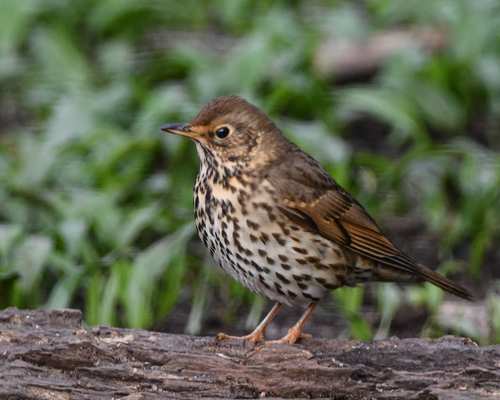 Tordo bottaccio
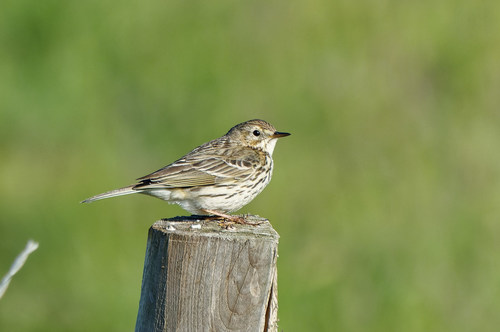 Pispola
In breve
Il modo più affidabile per separare il Tordo bottaccio dalla Pispola è attraverso la struttura e le macchie delle parti inferiori: il Tordo bottaccio è un uccello molto più robusto con un becco spesso, un sottocoda giallo caldo e macchie nere arrotondate e audaci su parti inferiori crema, mentre la Pispola è snella, con un becco sottile, striature fini sotto e un lungo artiglio posteriore. I giovani Tordi bottacci possono mostrare alcune striature sulla schiena, ma mai l'aspetto striato e finemente marcato di una pispola. In volo, il Tordo bottaccio rivela un sottocoda giallo caldo, a differenza delle piume di volo marroni e semplici della Pispola. Dimensioni, aspetto e voce sono anche molto diversi e dovrebbero essere controllati se il piumaggio è ambiguo.
Consigli di identificazione
- Dimensioni e robustezza: Il Tordo bottaccio è molto più grande e pesante della Pispola; se l'uccello appare robusto e massiccio, la pispola è esclusa.
- Forma del becco: Il Tordo bottaccio ha un becco spesso e giallastro; il becco della Pispola è sottile e appuntito, adatto per nutrirsi di insetti.
- Marcature delle parti inferiori: Il Tordo bottaccio mostra macchie nere arrotondate e audaci su parti inferiori crema o beige (tutte le età); la Pispola ha striature fini e uniformi, mai macchie.
- Parte superiore: Il Tordo bottaccio è marrone uniforme sopra (i giovani possono avere alcune striature beige/arancioni sulla schiena e sulle copritrici alari); la Pispola è marrone e striata sopra, mimetizzandosi con l'erba.
- Colore del sottocoda: In volo, il Tordo bottaccio mostra un sottocoda giallo caldo; il sottocoda della Pispola non è contrastante, rimanendo marrone.
- Schema della coda: La Pispola ha una coda marrone con bordi bianchi stretti; la coda del Tordo bottaccio è marrone uniforme, priva di bordi bianchi.
- Zampe e piedi: Entrambi hanno zampe di colore rosato, ma l'artiglio posteriore della Pispola è estremamente lungo e dritto, spesso visibile in buone viste o foto; i piedi del Tordo bottaccio sono più tipici per un tordo, senza artiglio esagerato.
- Stile di volo: Il Tordo bottaccio vola in modo forte e diretto; il volo della Pispola è fluttuante e ondulato, spesso con una dimostrazione di canto a paracadute.
- Canto: Il Tordo bottaccio canta forte da un posatoio, con frasi musicali ripetute e mimetismo; la Pispola canta una semplice serie di note sottili e accelerate, di solito in volo.
- Richiamo: Il richiamo del Tordo bottaccio è un 'tsip' acuto o un 'chook-chook' stridente; il richiamo della Pispola è un debole 'tsi-tsi.'
- Habitat: Il Tordo bottaccio si trova in aree boschive, giardini e siepi; la Pispola preferisce praterie aperte, brughiere e paludi costiere.
- Postura: Il Tordo bottaccio sta eretto e salta; la Pispola cammina o corre con un passo più orizzontale e strisciante.
- Confusione giovanile: Il giovane Tordo bottaccio può mostrare alcune striature sulla schiena, ma mantiene sempre macchie audaci sulle parti inferiori e manca dell'aspetto striato della pispola.
- Contesto: Se l'uccello canta da una cima d'albero o da un tetto, è probabile che sia un tordo; se sta paracadutando su un prato, è probabile che sia una pispola.
- Trappole: In scarsa illuminazione o a distanza, le striature della Pispola possono sembrare macchiate, ma le piccole dimensioni dell'uccello, il becco sottile e il lungo artiglio posteriore sono determinanti. Il Tordo bottaccio non mostra mai le striature fini e uniformi o lo stile di volo della pispola.
Taglia
Il Tordo bottaccio è molto più grande e pesante (massa corporea ~72g) rispetto alla Pispola (15–22g). Il Tordo bottaccio misura 20–23,5 cm di lunghezza, mentre la Pispola è solo 14,5–15 cm. Sul campo, il Tordo bottaccio appare massiccio e robusto, con un corpo tozzo e una coda relativamente corta, mentre la Pispola appare snella, delicata e con una coda lunga. La differenza di volume è solitamente evidente anche a distanza.
Piumaggio
I giovani Tordi bottacci possono mostrare alcune striature beige o arancioni sulla schiena e sulle copritrici alari, ma hanno comunque le caratteristiche macchie nere arrotondate e audaci su parti inferiori crema o beige, e un sottocoda giallo caldo (tutte le età). La Pispola di tutte le età è marrone sopra e beige sotto, con striature fini e uniformi sul petto e sui fianchi, e senza macchie audaci. La coda della pispola è marrone con bordi bianchi stretti, e il suo sottocoda non è colorato in modo contrastante. Gli adulti del Tordo bottaccio sono marroni uniformi sopra, con macchie nere ordinate sotto; la Pispola è più uniformemente striata e manca del forte contrasto del tordo. Il becco del Tordo bottaccio è giallastro, le zampe e i piedi sono rosa; la Pispola ha un becco sottile e zampe di un rosa pallido-giallastro, ma la caratteristica più sorprendente è il lungo artiglio posteriore, assente nel Tordo bottaccio.
Comportamento
I Tordi bottacci vengono spesso visti cercare cibo a terra, saltellando con una postura eretta e decisa, o cantando forte da posatoi prominenti come cime di alberi o tetti. Le Pispole hanno un passo più strisciante, simile a un topo, e vengono frequentemente viste effettuare brevi voli bassi sopra le praterie, spesso con un volo di canto fluttuante e a paracadute. I Tordi bottacci raramente eseguono dimostrazioni di canto aeree. In volo, il Tordo bottaccio è diretto e forte, mentre la Pispola è fluttuante e ondulata.
Habitat
Il Tordo bottaccio preferisce i margini boschivi, parchi, giardini e siepi, spesso vicino ad alberi o arbusti densi. La Pispola è un uccello di campagna aperta—praterie, brughiere, paludi costiere e altipiani—raramente avventurandosi in aree boschive. Se vedi un uccello marrone striato in una brughiera senza alberi o in una palude salata, è molto più probabile che sia una Pispola; in un giardino o in un bosco, ci si aspetta di più un Tordo bottaccio.
Voce
Il Tordo bottaccio ha un canto forte, chiaro e musicale, con frasi ripetute e una vasta gamma di note, spesso mimando altre specie o suoni; il suo richiamo è un 'tsip' acuto o un 'chook-chook' stridente quando è allarmato. Il canto della Pispola è molto più semplice: una serie ripetitiva e accelerata di note sottili 'tsi-tsi', di solito eseguita in un breve volo a paracadute. I richiami della pispola sono deboli e acuti, privi del volume e della varietà del tordo.