

Zorzal Común vs Bisbita Pratense
Turdus philomelos frente a Anthus pratensis
Juega un quiz con Zorzal Común y Bisbita Pratense
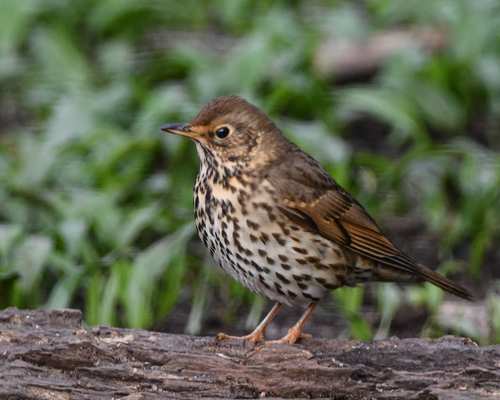 Zorzal Común
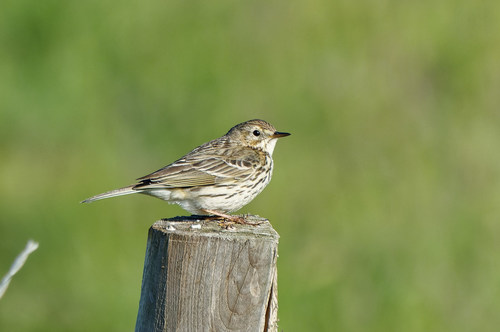 Bisbita Pratense
En breve
La forma más confiable de separar el Zorzal Común del Bisbita Pratense es por la estructura y las marcas en las partes inferiores: el Zorzal Común es un ave mucho más robusta con un pico grueso, un ala inferior amarilla cálida y manchas negras redondeadas y audaces en las partes inferiores cremosas, mientras que el Bisbita Pratense es esbelto, con un pico delgado, estrías finas en la parte inferior y una garra trasera larga. Los Zorzales Comunes juveniles pueden mostrar algunas estrías en la espalda, pero nunca el aspecto general estriado y finamente marcado de un bisbita. En vuelo, el Zorzal Común revela un ala inferior amarilla cálida, a diferencia de las plumas de vuelo marrones simples del Bisbita Pratense. El tamaño, la apariencia y la voz también son muy diferentes, y deben ser verificados si el plumaje es ambiguo.
Consejos de identificación
- Tamaño y robustez: El Zorzal Común es mucho más grande y pesado que el Bisbita Pratense; si el ave parece robusta y corpulenta, se descarta el bisbita.
- Forma del pico: El Zorzal Común tiene un pico grueso y amarillento; el pico del Bisbita Pratense es delgado y puntiagudo, adecuado para alimentarse de insectos.
- Marcas en las partes inferiores: El Zorzal Común muestra manchas negras redondeadas y audaces en las partes inferiores cremosas o color canela (todas las edades); el Bisbita Pratense tiene estrías finas y uniformes, nunca manchas.
- Partes superiores: El Zorzal Común es marrón simple por encima (los juveniles pueden tener algunas estrías color canela/naranja en la espalda y las coberturas de las alas); el Bisbita Pratense es marrón y estriado por encima, mezclándose con la hierba.
- Color del ala inferior: En vuelo, el Zorzal Común muestra un ala inferior amarilla cálida; el ala inferior del Bisbita Pratense no es contrastante, permaneciendo marronosa.
- Patrón de la cola: El Bisbita Pratense tiene una cola marrón con bordes blancos estrechos; la cola del Zorzal Común es marrón simple, sin bordes blancos.
- Patas y pies: Ambos tienen patas de color rosado, pero la garra trasera del Bisbita Pratense es extremadamente larga y recta, a menudo visible en buenas vistas o fotos; los pies del Zorzal Común son más típicos de un zorzal, sin garra exagerada.
- Estilo de vuelo: El Zorzal Común vuela de manera fuerte y directa; el vuelo del Bisbita Pratense es aleteante y ondulante, a menudo con una exhibición de canto en paracaídas.
- Canto: El Zorzal Común canta en voz alta desde una percha, con frases musicales repetidas y mimetismo; el Bisbita Pratense canta una serie simple y acelerada de notas delgadas, generalmente en vuelo.
- Llamada: La llamada del Zorzal Común es un agudo 'tsip' o un estridente 'chook-chook'; la llamada del Bisbita Pratense es un tenue 'tsi-tsi.'
- Hábitat: El Zorzal Común se encuentra en áreas boscosas, jardines y setos; el Bisbita Pratense prefiere praderas abiertas, tierras de pantano y marismas costeras.
- Postura: El Zorzal Común se mantiene erguido y salta; el Bisbita Pratense camina o corre con un andar más horizontal y arrastrado.
- Confusión juvenil: El Zorzal Común juvenil puede mostrar algunas estrías en la espalda, pero siempre retiene manchas audaces en las partes inferiores y carece del aspecto estriado general del bisbita.
- Contexto: Si el ave está cantando desde la copa de un árbol o un tejado, es probable que sea un zorzal; si está en paracaídas sobre un prado, es probable que sea un bisbita.
- Trampas: En poca luz o a distancia, las estrías del Bisbita Pratense pueden parecer manchadas, pero el pequeño tamaño del ave, su pico delgado y su larga garra trasera son determinantes. El Zorzal Común nunca muestra el estriado fino y uniforme o el estilo de vuelo del bisbita.
Tamaño
El Zorzal Común es mucho más grande y pesado (masa corporal ~72g) en comparación con el Bisbita Pratense (15–22g). El Zorzal Común mide 20–23.5 cm de longitud, mientras que el Bisbita Pratense solo mide 14.5–15 cm. En el campo, el Zorzal Común parece robusto y corpulento, con un cuerpo grueso y una cola relativamente corta, mientras que el Bisbita Pratense parece esbelto, delicado y de cola larga. La diferencia en volumen suele ser obvia incluso a distancia.
Plumaje
Los Zorzales Comunes juveniles pueden mostrar algunas estrías color canela o naranja en la espalda y las coberturas de las alas, pero aún tienen las características manchas negras redondeadas y audaces en las partes inferiores cremosas o color canela, y un ala inferior amarilla cálida (todas las edades). El Bisbita Pratense de todas las edades es marrón por encima y color canela por debajo, con estrías finas y uniformes en el pecho y los flancos, y sin manchas audaces. La cola del bisbita es marrón con bordes blancos estrechos, y su ala inferior no tiene un color contrastante. Los adultos del Zorzal Común son marrón simple por encima, con manchas negras ordenadas por debajo; el Bisbita Pratense está más uniformemente estriado y carece del fuerte contraste del zorzal. El pico del Zorzal Común es amarillento, las patas y los pies son rosados; el Bisbita Pratense tiene un pico delgado y patas de color rosado-amarillento pálido, pero la característica más llamativa es la garra trasera muy larga, que está ausente en el Zorzal Común.
Comportamiento
Los Zorzales Comunes a menudo se ven forrajeando en el suelo, saltando con una postura erguida y decidida, o cantando en voz alta desde perchas prominentes como copas de árboles o tejados. Los Bisbita Pratense tienen un andar más arrastrado, parecido al de un ratón, y se les ve frecuentemente realizando vuelos cortos bajos sobre praderas, a menudo con un vuelo de canto aleteante y en paracaídas. Los Zorzales Comunes rara vez realizan exhibiciones de canto aéreo. En vuelo, el Zorzal Común es directo y fuerte, mientras que el Bisbita Pratense es aleteante y ondulante.
Hábitat
El Zorzal Común prefiere los bordes de bosques, parques, jardines y setos, a menudo cerca de árboles o arbustos densos. El Bisbita Pratense es un ave de campo abierto: praderas, tierras de pantano, marismas costeras y tierras altas, rara vez aventurándose en áreas boscosas. Si ves un ave marrón estriada en un pantano sin árboles o marisma salada, es mucho más probable que sea un Bisbita Pratense; en un jardín o bosque, se espera más un Zorzal Común.
Voz
El Zorzal Común tiene un canto fuerte, claro y musical, con frases repetidas y una amplia variedad de notas, a menudo imitando otras especies o sonidos; su llamada es un agudo 'tsip' o un estridente 'chook-chook' cuando está alarmado. El canto del Bisbita Pratense es mucho más simple: una serie repetitiva y acelerada de notas delgadas 'tsi-tsi', generalmente entregadas en un corto vuelo en paracaídas. Las llamadas del bisbita son tenues y agudas, careciendo del volumen y la variedad del zorzal.