

Soft-plumaged Petrel vs White-headed Petrel
Pterodroma mollis contro Pterodroma lessonii
Fai un quiz con Soft-plumaged Petrel e White-headed Petrel
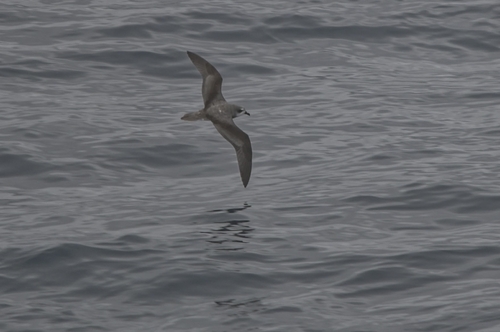 Soft-plumaged Petrel
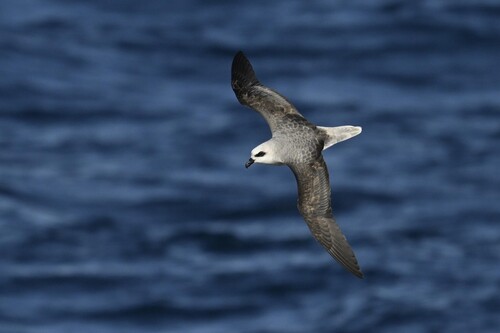 White-headed Petrel
In breve
Il segno distintivo più affidabile per separare il Soft-plumaged Petrel dal White-headed Petrel è il motivo della testa: il Soft-plumaged mostra una testa grigia scura con guance e gola bianche, mentre il White-headed Petrel ha una testa bianchissima e sorprendentemente pallida con una macchia scura sugli occhi. In volo, entrambi hanno ali lunghe e strette e code appuntite, ma il White-headed Petrel è molto più robusto e ha ali più lunghe. La colorazione delle ali inferiori è simile, ma la dimensione complessiva e il contrasto della testa sono fondamentali. Anche la dimensione e la struttura del becco differiscono, con il White-headed Petrel che ha un becco visibilmente più robusto. Usa queste caratteristiche insieme, specialmente in mare dove le visuali sono brevi.
Consigli di identificazione
- Il motivo della testa è fondamentale: Cerca la testa—il Soft-plumaged Petrel ha una testa grigia scura con guance e gola bianche, mentre la testa del White-headed Petrel è sorprendentemente pallida e bianca con una macchia scura sugli occhi. Questo è il segno distintivo più affidabile in tutte le età e in tutte le livree.
- Dimensione e robustezza: Il White-headed Petrel è molto più grande e pesante (oltre il doppio della massa), con un corpo più lungo e ali più larghe. Se l'uccello appare robusto e simile a un fulmar, sospetta il White-headed; un uccello più delicato e di dimensioni medie si adatta al Soft-plumaged.
- Struttura del becco: Il White-headed Petrel ha un becco nero visibilmente più robusto e grande con un forte uncino. Il becco del Soft-plumaged è più snello, anche se entrambi sono neri e ad uncino. Questo può essere visto da vicino o in buone foto.
- Contrasto delle parti superiori: Il White-headed Petrel ha parti superiori grigie più chiare con un grigio più scuro in contrasto sulle ali superiori e sul coda. Il Soft-plumaged Petrel è più uniformemente grigio scuro sopra, privo di un forte contrasto.
- Parti inferiori: Entrambi sono per lo più bianchi sotto, ma questo non è un forte separatore. Concentrati sulla testa e sulla dimensione.
- Colore delle ali inferiori: Entrambe le specie mostrano ali inferiori scure, quindi questo non è un segno distintivo affidabile per la separazione.
- Forma della coda: Entrambi hanno code appuntite, ma il corpo e la coda più lunghi del White-headed possono apparire più pronunciati in volo.
- Colore delle gambe: Entrambi hanno gambe rosate con nero sulle dita; questo non è un segno distintivo utile nella maggior parte delle visuali.
- Stile di volo: Il White-headed Petrel può apparire più stabile e potente a causa della sua dimensione, mentre il Soft-plumaged è più agile e galleggiante. Usa questo solo come prova di supporto.
- Vocalizzazioni: Il Soft-plumaged Petrel è rumoroso nelle colonie, ma le chiamate sono raramente udite in mare e non sono diagnostiche sul campo.
- Habitat: Entrambi sono pelagici e si sovrappongono in mare; l'habitat di nidificazione non è utile per la separazione sul campo.
- Trappole: In condizioni di scarsa illuminazione o visuali distanti, il motivo della testa può essere oscurato, rendendo la dimensione e la struttura più importanti. Fai attenzione alla forma scura del Soft-plumaged Petrel, che può apparire ancora più scura nel complesso ma manca comunque della testa bianca del White-headed.
- Stagione e età: Non sono descritte forti differenze stagionali o legate all'età nei segni distintivi per queste specie; il motivo della testa è affidabile tutto l'anno.
- Confronto diretto: Se entrambe le specie sono presenti, la dimensione e il contrasto della testa dovrebbero essere ovvi. Se ne viene vista solo una, usa una combinazione di motivo della testa, dimensione e struttura del becco per i migliori risultati.
- Quando hai dubbi: Se la testa è bianca pallida e l'uccello è grande, è il White-headed Petrel. Se la testa è grigia scura con guance bianche e l'uccello è di dimensioni medie, è il Soft-plumaged Petrel.
Taglia
Il White-headed Petrel è significativamente più grande e pesante del Soft-plumaged Petrel (circa 708g contro 300g [wikidata]). Questa differenza di dimensione è evidente nel confronto diretto o quando visto accanto ad altri uccelli marini: il White-headed Petrel appare più robusto, con un corpo più lungo (circa 400 mm di lunghezza [wikipedia]) e ali più larghe. Il Soft-plumaged Petrel è di dimensioni medie per un Pterodroma, visibilmente più leggero e più delicato nella struttura. Se vedi un petrel con un aspetto robusto, quasi simile a un fulmar, sospetta il White-headed; un uccello più aggraziato e leggero si adatta al Soft-plumaged.
Piumaggio
- Motivo delle ali superiori giovanili/immaturi: Non sono descritti motivi specifici delle ali superiori legati all'età per nessuna delle due specie in queste fonti, quindi concentrati sulla livrea della testa e del corpo per tutte le età.
- Motivo della testa: Il Soft-plumaged Petrel mostra una testa grigia scura con guance e gola bianche prominenti, oltre a macchie bianche sulla fronte e una macchia scura sugli occhi. Il White-headed Petrel ha una testa molto più pallida, quasi completamente bianca con una macchia scura sugli occhi—questa testa pallida è la caratteristica distintiva in tutte le età.
- Parti superiori: Entrambi hanno parti superiori grigie, ma quelle del White-headed Petrel sono più chiare nel complesso, con un grigio più scuro in contrasto sulle ali superiori e sul coda. Il Soft-plumaged è grigio scuro sopra, privo dello stesso contrasto.
- Parti inferiori: Entrambe le specie sono per lo più bianche sotto, ma il Soft-plumaged ha ali inferiori grigie scure, mentre il colore delle ali inferiori del White-headed non è specificamente descritto come diverso—aspettati che entrambe mostrino ali inferiori scure, quindi questo non è un forte separatore.
- Becco e gambe: Entrambi hanno becchi neri, ma quello del White-headed è più robusto e grande. Il colore delle gambe è simile (rosato con nero sulle dita), quindi non è utile sul campo.
- Coda: Entrambi hanno code appuntite, ma il corpo e la coda più lunghi del White-headed possono apparire più pronunciati.
Comportamento
Entrambe le specie utilizzano un volo simile di planata dinamica tipico dei petrel Pterodroma, con lunghe planate e rapide virate. Il White-headed Petrel, essendo più grande e pesante, può apparire più stabile e potente in volo, mentre il Soft-plumaged è più agile e galleggiante. Entrambi sono pelagici e raramente visti sulla terraferma, tranne che nelle colonie di nidificazione. Non sono notate forti differenze comportamentali in queste fonti.
Habitat
Entrambe le specie sono pelagiche al di fuori della stagione di nidificazione, estendendosi ampiamente sugli oceani meridionali. Il White-headed Petrel nidifica in tane su isole subantartiche (Isole Antipodi e Auckland), spesso tra tussock e campi erbosi. Anche il Soft-plumaged Petrel nidifica su isole remote, ma l'habitat in mare non è un separatore affidabile. In mare, entrambe possono essere incontrate lontano dalla terra, quindi l'habitat non è diagnostico per la separazione sul campo.
Voce
Il Soft-plumaged Petrel è descritto come rumoroso, con gemiti di tono medio e squittii acuti. Nessuna descrizione vocale specifica è fornita per il White-headed Petrel in queste fonti. In mare, le vocalizzazioni sono raramente udite, quindi questo non è un segno distintivo pratico.
Soft-plumaged Petrel · White-headed Petrel · I miei uccelli difficili