

Petrel Suave vs Petrel Cabeciblanco
Pterodroma mollis frente a Pterodroma lessonii
Juega un quiz con Petrel Suave y Petrel Cabeciblanco
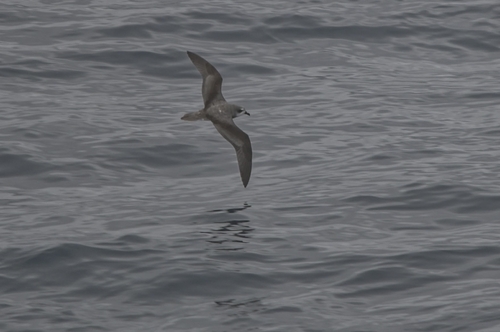 Petrel Suave
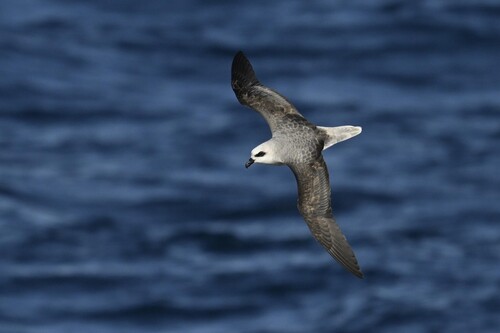 Petrel Cabeciblanco
En breve
La marca de campo más confiable para separar el Petrel Suave del Petrel Cabeciblanco es el patrón de la cabeza: el Petrel Suave muestra una cabeza gris oscura con mejillas y garganta blancas, mientras que el Petrel Cabeciblanco tiene una cabeza notablemente blanca y pálida con una mancha oscura alrededor del ojo. En vuelo, ambos tienen alas largas y estrechas y colas puntiagudas, pero el Petrel Cabeciblanco es mucho más robusto y tiene alas más largas. La coloración de las alas inferiores es similar, pero el tamaño general y el contraste de la cabeza son clave. El tamaño y la estructura del pico también difieren, siendo el pico del Petrel Cabeciblanco notablemente más robusto. Utiliza estas características juntas, especialmente en el mar donde las vistas son breves.
Consejos de identificación
- El patrón de la cabeza es clave: Busca la cabeza: el Petrel Suave tiene una cabeza gris oscura con mejillas y garganta blancas, mientras que la cabeza del Petrel Cabeciblanco es notablemente blanca y pálida con una mancha oscura alrededor del ojo. Esta es la marca de campo más confiable en todas las edades y en todos los plumajes.
- Tamaño y robustez: El Petrel Cabeciblanco es mucho más grande y pesado (más del doble de la masa), con un cuerpo más largo y alas más anchas. Si el ave parece robusta y similar a un fulmar, sospecha del Petrel Cabeciblanco; un ave más delicada y de tamaño mediano se ajusta al Petrel Suave.
- Estructura del pico: El Petrel Cabeciblanco tiene un pico negro notablemente más robusto y grande con un gancho fuerte. El pico del Petrel Suave es más delgado, aunque ambos son negros y con gancho. Esto se puede ver a corta distancia o en buenas fotos.
- Contraste en las partes superiores: El Petrel Cabeciblanco tiene partes superiores de gris más pálido con un gris más oscuro en las alas superiores y el rabadilla. El Petrel Suave es más uniformemente gris oscuro por encima, careciendo de un fuerte contraste.
- Partes inferiores: Ambos son mayormente blancos por debajo, pero esto no es un fuerte separador. Concéntrate en la cabeza y el tamaño.
- Color de las alas inferiores: Ambas especies muestran alas inferiores oscuras, por lo que esto no es una marca de campo confiable para la separación.
- Forma de la cola: Ambos tienen colas puntiagudas, pero el cuerpo y la cola más largos del Petrel Cabeciblanco pueden parecer más pronunciados en vuelo.
- Color de las patas: Ambos tienen patas rosadas con negro en los dedos; esto no es una marca de campo útil en la mayoría de las vistas.
- Estilo de vuelo: El Petrel Cabeciblanco puede parecer más estable y poderoso debido a su tamaño, mientras que el Petrel Suave es más ágil y ligero. Utiliza esto solo como evidencia de apoyo.
- Vocalizaciones: El Petrel Suave es ruidoso en las colonias, pero los llamados rara vez se escuchan en el mar y no son diagnósticos en el campo.
- Hábitat: Ambos son pelágicos y se superponen en el mar; el hábitat de cría no es útil para la separación en el campo.
- Trampas: En condiciones de poca luz o vistas distantes, el patrón de la cabeza puede estar oscurecido, haciendo que el tamaño y la estructura sean más importantes. Ten cuidado con el morfo oscuro del Petrel Suave, que puede parecer aún más oscuro en general pero aún carece de la cabeza blanca del Petrel Cabeciblanco.
- Temporada y edad: No se describen diferencias fuertes relacionadas con la temporada o la edad en las marcas de campo para estas especies; el patrón de la cabeza es confiable durante todo el año.
- Comparación directa: Si ambas especies están presentes, el tamaño y el contraste de la cabeza deberían ser obvios. Si solo se ve una, utiliza una combinación de patrón de cabeza, tamaño y estructura del pico para obtener los mejores resultados.
- Cuando tengas dudas: Si la cabeza es blanca pálida y el ave es grande, es el Petrel Cabeciblanco. Si la cabeza es gris oscura con mejillas blancas y el ave es de tamaño mediano, es el Petrel Suave.
Tamaño
El Petrel Cabeciblanco es significativamente más grande y pesado que el Petrel Suave (alrededor de 708g frente a 300g [wikidata]). Esta diferencia de tamaño es evidente en comparación directa o cuando se ve junto a otras aves marinas: el Petrel Cabeciblanco parece más robusto, con un cuerpo más largo (alrededor de 400 mm de longitud [wikipedia]) y alas más anchas. El Petrel Suave es de tamaño mediano para un Pterodroma, notablemente más ligero y más delicado en su construcción. Si ves un petrel con un aspecto robusto, casi similar a un fulmar, sospecha del Petrel Cabeciblanco; un ave más elegante y ligera se ajusta al Petrel Suave.
Plumaje
- Patrón de las alas superiores de juvenil/inmaduro: No se describen patrones específicos de alas superiores relacionados con la edad para ninguna de las especies en estas fuentes, así que concéntrate en el plumaje de la cabeza y el cuerpo para todas las edades.
- Patrón de la cabeza: El Petrel Suave muestra una cabeza gris oscura con mejillas y garganta blancas prominentes, además de moteado blanco en la frente y una mancha oscura alrededor del ojo. El Petrel Cabeciblanco tiene una cabeza mucho más pálida, casi completamente blanca, con una mancha oscura alrededor del ojo; esta cabeza pálida es la característica más destacada en todas las edades.
- Partes superiores: Ambos tienen partes superiores grises, pero las del Petrel Cabeciblanco son más pálidas en general, con un gris más oscuro en las alas superiores y el rabadilla. El Petrel Suave es de un gris más oscuro por encima, careciendo del mismo contraste.
- Partes inferiores: Ambas especies son mayormente blancas por debajo, pero el Petrel Suave tiene alas inferiores gris oscuro, mientras que el color de las alas inferiores del Petrel Cabeciblanco no se describe específicamente como diferente; se espera que ambos muestren alas inferiores oscuras, por lo que esto no es un separador fuerte.
- Pico y patas: Ambos tienen picos negros, pero el del Petrel Cabeciblanco es más robusto y grande. El color de las patas es similar (rosadas con negro en los dedos), por lo que no es útil en el campo.
- Cola: Ambos tienen colas puntiagudas, pero el cuerpo y la cola más largos del Petrel Cabeciblanco pueden parecer más pronunciados.
Comportamiento
Ambas especies utilizan un vuelo dinámico similar típico de los petreles Pterodroma, con largos deslizamientos y giros rápidos. El Petrel Cabeciblanco, siendo más grande y pesado, puede parecer más estable y poderoso en vuelo, mientras que el Petrel Suave es más ágil y ligero. Ambos son pelágicos y rara vez se ven en tierra, excepto en colonias de cría. No se notan diferencias de comportamiento fuertes en estas fuentes.
Hábitat
Ambas especies son pelágicas fuera de la temporada de cría, abarcando ampliamente los océanos del sur. El Petrel Cabeciblanco cría en madrigueras en islas subantárticas (Islas Antípodas y Auckland), a menudo entre tussocks y campos herbáceos. El Petrel Suave también cría en islas remotas, pero el hábitat en el mar no es un separador confiable. En el mar, ambos pueden encontrarse lejos de la tierra, por lo que el hábitat no es diagnóstico para la separación en el campo.
Voz
El Petrel Suave se describe como ruidoso, con gemidos de tono medio y chillidos agudos. No se proporciona una descripción vocal específica para el Petrel Cabeciblanco en estas fuentes. En el mar, las vocalizaciones rara vez se escuchan, por lo que esto no es una marca de campo práctica.