

Soft-plumaged Petrel vs Blue Petrel
Pterodroma mollis contro Halobaena caerulea
Fai un quiz con Soft-plumaged Petrel e Blue Petrel
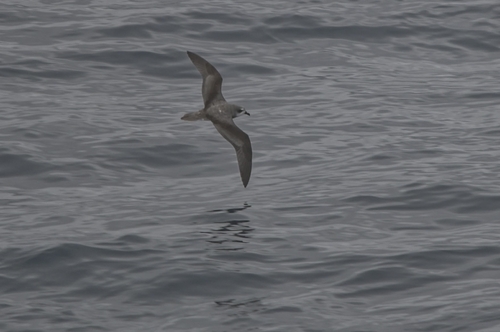 Soft-plumaged Petrel
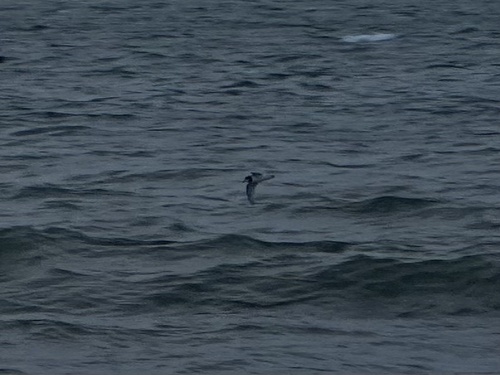 Blue Petrel
In breve
Il modo più affidabile per separare il Soft-plumaged Petrel dal Blue Petrel sul campo è attraverso il loro schema delle ali superiori in volo: il Blue Petrel di tutte le età mostra una marcatura scura a forma di 'M' o 'W' sulle ali superiori, mentre il Soft-plumaged Petrel non presenta questo e ha invece ali superiori di un grigio scuro più uniforme. Il Blue Petrel ha anche una coda quadrata con una punta bianca, in contrasto con la coda appuntita del Soft-plumaged Petrel. Strutturalmente, il Soft-plumaged Petrel è più grande e più pesante, con un becco proporzionalmente più lungo e ricurvo. Entrambe le specie hanno parti inferiori bianche, ma il Soft-plumaged Petrel ha una testa più scura con guance e gola bianche, mentre il Blue Petrel ha un cappuccio nero e un volto bianco più pulito. Queste differenze sono visibili in mare con buone visuali, specialmente in volo.
Consigli di identificazione
- Upperwing pattern in flight (all ages): Il Blue Petrel mostra sempre un audace 'M' o 'W' scuro sulle ali superiori, visibile dall'alto e spesso dal basso in buona luce. Il Soft-plumaged Petrel non mostra mai questo schema; le sue ali superiori sono di un grigio scuro più uniforme.
- Tail shape: Il Blue Petrel ha una coda quadrata con una punta bianca, visibile in volo e durante le virate. Il Soft-plumaged Petrel ha una coda appuntita senza punta bianca.
- Head pattern: Il Blue Petrel ha un cappuccio nero con guance e gola bianche nette, dando un aspetto pulito e ad alto contrasto. La testa del Soft-plumaged Petrel è grigia scura con guance e gola bianche, ma il bianco è meno definito e spesso macchiato, con una macchia scura attorno all'occhio e un po' di bianco sulla fronte.
- Underwing color: Entrambe le specie hanno ali inferiori scure, ma quelle del Soft-plumaged Petrel sono descritte come grigie scure, mentre il pattern delle ali inferiori del Blue Petrel non è dettagliato nelle note. Usa altri segni per la separazione.
- Bill shape: Il Soft-plumaged Petrel ha un becco più lungo e più ricurvo (25–32 mm), che potrebbe essere visibile da vicino. Il becco del Blue Petrel è più corto e più snello.
- Leg color: Il Soft-plumaged Petrel ha zampe rosa con nero sulle membrane esterne e sulle dita, che potrebbero essere visibili durante l'atterraggio o nelle foto. Il colore delle zampe del Blue Petrel non è descritto nelle note.
- Body size and shape: Il Soft-plumaged Petrel è più grande e più pesante, con un aspetto più robusto e ali più lunghe. Il Blue Petrel è più piccolo, più delicato e compatto.
- Flight style: Il Blue Petrel appare spesso più galleggiante e agile, con frequenti virate che mostrano il pattern 'M'. Il Soft-plumaged Petrel è più stabile, con ali più strette e una coda appuntita.
- Plumage variation: Il Soft-plumaged Petrel ha una rara forma scura, che è molto più scura nel complesso e potrebbe essere confusa con altri petrelli scuri, ma non con il Blue Petrel.
- Voice: Solo il Soft-plumaged Petrel è descritto come vocale nelle colonie, con lamenti di tono medio e squittii acuti. Questo non è un segno sul campo in mare.
- Habitat and context: Entrambi sono pelagici e possono sovrapporsi in mare, quindi non fare affidamento solo sulla posizione per l'identificazione.
- Pitfalls: In scarsa luce o visuali distanti, il pattern 'M' sul Blue Petrel potrebbe essere perso, e la differenza di dimensioni potrebbe essere difficile da giudicare. Concentrati sulla forma della coda e sul pattern della testa come segni di riserva.
- Season and age: I principali pattern delle ali e della coda sono presenti in tutte le età e stagioni per entrambe le specie, quindi questi segni sono affidabili tutto l'anno.
- Sex: Non è stato notato dimorfismo sessuale in nessuna delle due specie, quindi tutti i segni si applicano a entrambi i sessi.
- When in doubt: Dai priorità alla combinazione di pattern delle ali superiori, forma della coda e contrasto della testa per la separazione più affidabile.
Taglia
Il Soft-plumaged Petrel è nettamente più grande e più pesante del Blue Petrel, con una massa media di 300 g contro 210 g per il Blue Petrel [wikidata]. Questa differenza di dimensioni è spesso evidente in un confronto diretto o quando visto accanto ad altri uccelli marini. Il Blue Petrel è anche più corto in lunghezza (26–32 cm) e ha un'apertura alare più piccola (62–71 cm), conferendogli un aspetto più delicato e compatto rispetto al più robusto e con ali più lunghe Soft-plumaged Petrel.
Piumaggio
-
Juvenile/immature and adult Blue Petrel: Mostra una marcatura diagnostica scura a forma di 'M' o 'W' sulle ali superiori, formata dai bordi scuri e dalle copritrici, visibile in tutte le età e stagioni. La coda è quadrata con una punta bianca, e la testa presenta un cappuccio nero con guance bianche pulite e una gola bianca. Le parti inferiori sono bianche, con una macchia scura sul lato del collo.
-
Soft-plumaged Petrel (all ages): Non presenta alcun 'M' o 'W' sulle ali superiori; invece, le ali superiori sono di un grigio scuro più uniforme. La coda è appuntita, non quadrata, e manca di una punta bianca. La testa è grigia scura con guance e gola bianche, ma il bianco è meno pulito e più macchiato, con una prominente macchia scura attorno all'occhio e macchie bianche sulla fronte. Le ali inferiori sono grigie scure, e le parti inferiori sono per lo più bianche. Esiste una forma scura, ma questa è rara e molto più scura nel complesso.
-
Bill and legs: Entrambi hanno becchi neri, ma quello del Soft-plumaged Petrel è più lungo e più ricurvo. Il Soft-plumaged Petrel ha zampe rosa con nero sulle membrane esterne e sulle dita; il colore delle zampe del Blue Petrel non è descritto nelle note.
Comportamento
Entrambe le specie sono pelagiche e tipicamente viste planare basse sull'oceano. Il Soft-plumaged Petrel appare più robusto e potrebbe mostrare un volo più stabile e potente con ali più strette e una coda appuntita. Il Blue Petrel, essendo più piccolo e leggero, appare spesso più galleggiante e agile, con un volo fluttuante e frequenti virate, che accentuano il pattern scuro 'M' sulle ali. Entrambe le specie sono raramente viste posate, tranne che nelle colonie di riproduzione.
Habitat
Entrambe le specie sono oceaniche e tipicamente incontrate lontano dalla terra. Il Blue Petrel è strettamente associato all'Oceano Australe e nidifica vicino alla zona di Convergenza Antartica, mentre il Soft-plumaged Petrel ha una distribuzione oceanica meridionale più ampia. In mare, è possibile un sovrapposizione degli habitat, quindi i segni sul campo sono essenziali per la separazione.
Voce
Il Soft-plumaged Petrel è descritto come rumoroso, con lamenti di tono medio e squittii acuti, specialmente nei siti di riproduzione. Non sono forniti dettagli specifici sulla vocalizzazione per il Blue Petrel nelle note, quindi la voce è improbabile che sia un segno affidabile sul campo in mare.
Soft-plumaged Petrel · Blue Petrel · I miei uccelli difficili