

Sociable Weaver vs Common Waxbill
Philetairus socius contro Estrilda astrild
Fai un quiz con Sociable Weaver e Common Waxbill
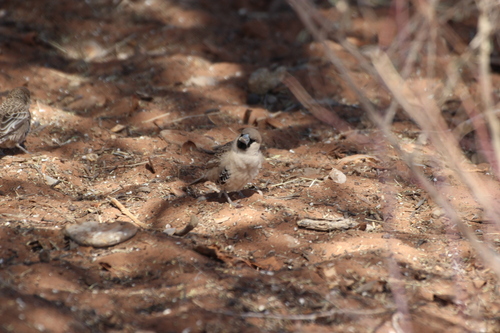 Sociable Weaver
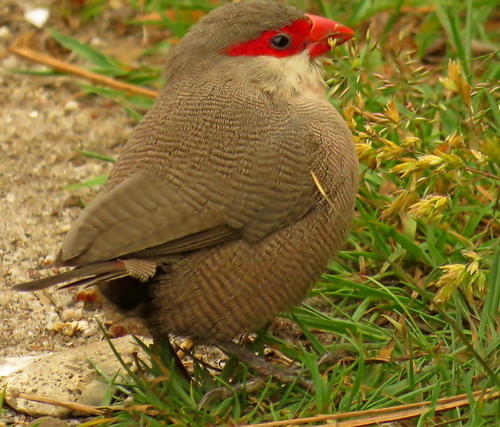 Common Waxbill
In breve
Il segno distintivo più affidabile per separare il Sociable Weaver dal Common Waxbill è il coraggioso patch nero sul mento e sulla gola del Sociable Weaver, che non è mai presente nel Common Waxbill. Al contrario, il Common Waxbill mostra un becco rosso brillante e una striscia rossa attraverso l'occhio, caratteristiche assenti nel Sociable Weaver. I giovani Common Waxbill hanno un becco nero e poco o nessun rosso sull'addome, il che può causare confusione, ma il dorso scallopato e i fianchi barrati del Sociable Weaver rimangono distintivi. Anche la dimensione è un forte indizio: il Sociable Weaver è molto più robusto e pesante rispetto al snello e delicato Common Waxbill. Entrambe le specie possono essere viste nell'Africa meridionale, ma i loro habitat preferiti e i comportamenti sociali differiscono notevolmente.
Consigli di identificazione
- Patch nero sul mento/gola (solo Sociable Weaver): Cerca un coraggioso patch nero sul mento e sulla gola—presente in tutte le età e sessi del Sociable Weaver, mai nel Common Waxbill.
- Becco rosso e striscia oculare (solo Common Waxbill): Gli adulti Common Waxbill mostrano un becco rosso brillante e una striscia rossa attraverso l'occhio. I Sociable Weaver hanno sempre un becco scuro e conico e non presentano rosso sul viso.
- Dorso scallopato e fianchi barrati (Sociable Weaver): Il dorso del Sociable Weaver è scallopato (piume con bordi chiari) e i fianchi sono barrati di nero—questi segni sono assenti nel Common Waxbill.
- Forma generale del corpo: Il Sociable Weaver è robusto e massiccio, con un collo spesso e una corporatura pesante. Il Common Waxbill è snello, con una struttura fine e delicata e una coda più lunga e graduata.
- Confusione giovanile: I giovani Common Waxbill hanno un becco nero e un piumaggio più opaco, ma mancano ancora del mento nero e del dorso scallopato del Sociable Weaver. Se vedi un uccello piccolo e semplice con un becco nero e senza gola nera, considera il giovane Waxbill.
- Forma della coda: La coda del Sociable Weaver è relativamente corta e quadrata, mentre quella del Common Waxbill è più lunga e graduata.
- Dimensione in stormi misti: Se entrambe le specie sono presenti, il Sociable Weaver apparirà molto più grande e pesante—quasi tre volte la massa di un Waxbill.
- Contrasto del piumaggio: Il piumaggio del Sociable Weaver è più patternizzato e contrastante, con aree nere e chiare. Il Common Waxbill è più sottilmente barrato e sfumato di rosso o rosa, specialmente sull'addome e sul viso.
- Comportamento sociale: Grandi gruppi rumorosi attorno a enormi nidi comuni indicano il Sociable Weaver. Stormi piccoli e sciolti che si nutrono silenziosamente di semi d'erba sono più tipici del Common Waxbill.
- Contesto dell'habitat: I Sociable Weaver sono quasi sempre vicino ai loro enormi nidi nella savana arida; i Common Waxbill preferiscono aree erbose o umide e sono più probabili nei parchi urbani o vicino all'acqua.
- Stile di volo: Il Common Waxbill ha un volo leggero e svolazzante; il volo del Sociable Weaver è più pesante e diretto.
- Forma del becco: Il becco del Sociable Weaver è più spesso e conico, adatto a rompere i semi; quello del Common Waxbill è più fine e delicato.
- Nessun rosso sul Sociable Weaver: Qualsiasi rosso sul becco o sul viso esclude il Sociable Weaver.
- Nessuna gola nera sul Waxbill: Qualsiasi patch nera sul mento o sulla gola esclude il Common Waxbill, indipendentemente dall'età.
- Vocalizzazioni: Se sentito, il richiamo acuto e cinguettante del Common Waxbill e il suo canto nasale sono distintivi, ma la voce è meno affidabile per il Sociable Weaver a causa della mancanza di descrizione nelle note.
Taglia
Il Sociable Weaver è sostanzialmente più grande e pesante, con una media di 27 g rispetto agli 8,2 g del Common Waxbill. In lunghezza, il Sociable Weaver raggiunge circa 14 cm, mentre il Common Waxbill è più piccolo a 9,5–13 cm. Il weaver è più robusto con una corporatura più robusta, mentre il waxbill è snello e leggero. La lunghezza della coda è anche maggiore nel Sociable Weaver (42–48 mm), e l'impressione generale sul campo è di un uccello molto più massiccio per il weaver rispetto al delicato waxbill dal becco fine.
Piumaggio
-
Giovani: I giovani Common Waxbill mancano del becco rosso e della striscia sull'addome degli adulti, mostrando un becco nero e un piumaggio più opaco, meno barrato con poco o nessun rosso—potenzialmente confondente, ma mancano ancora del mento nero e della patch sulla gola del Sociable Weaver e del dorso scallopato. I giovani Sociable Weaver non sono descritti come significativamente diversi dagli adulti, quindi il mento nero e i fianchi barrati rimangono affidabili.
-
Adulti: Il Sociable Weaver ha un mento e una gola neri diagnostici, fianchi barrati di nero e un dorso scallopato (piume con bordi chiari). Gli adulti Common Waxbill sono per lo più grigio-marrone con una fine barratura scura, un becco rosso brillante, una striscia oculare rossa e spesso una striscia rossa sull'addome (variabile per sottospecie). Il Sociable Weaver non mostra mai rosso nel becco o nel viso, e il Waxbill non mostra mai una gola o un mento neri. Il piumaggio del Sociable Weaver è più patternizzato e contrastante, mentre il Common Waxbill è più sottilmente barrato e sfumato di rosso.
-
Schema di volo/ala: Non sono notati segni distintivi sul pattern dell'ala superiore o sul volo per nessuna delle due specie che li separerebbero in volo per età.
Comportamento
I Sociable Weaver sono altamente sociali e famosi per i loro enormi nidi comuni, spesso visti in grandi gruppi rumorosi. Sono tipicamente osservati aggrappati o cercando cibo vicino a questi nidi, dando un'impressione di attività frenetica. Anche i Common Waxbill sono sociali, di solito visti in piccoli stormi, ma non costruiscono nidi comuni. I loro movimenti sono più delicati e meno frenetici, spesso nutrendosi silenziosamente di semi d'erba. In volo, i Waxbill appaiono leggeri e svolazzanti, mentre i Sociable Weaver sono più pesanti e diretti.
Habitat
I Sociable Weaver sono endemici della savana arida e della foresta secca nell'Africa meridionale, specialmente nel Northern Cape, e sono strettamente associati a grandi nidi comuni in alberi o su strutture artificiali. I Common Waxbill si trovano in una gamma più ampia di habitat aperti, comprese le praterie, le zone umide e i parchi urbani, e hanno un'area di distribuzione molto più ampia (spesso introdotta). Nell'Africa meridionale, i Waxbill sono più probabili vicino all'acqua o a zone erbose, mentre i Sociable Weaver sono legati a paesaggi più secchi e aperti e alle loro distintive colonie di nidi.
Voce
Il Common Waxbill ha una varietà di richiami cinguettanti e ronzanti, oltre a un distintivo richiamo di volo acuto e a un canto nasale semplice e aspro. Le vocalizzazioni del Sociable Weaver non sono descritte nelle note fornite, quindi la voce è meno affidabile per la separazione basata sulle informazioni attuali.