

Oca delle nevi vs Sandhill Crane
Anser caerulescens contro Antigone canadensis
Fai un quiz con Oca delle nevi e Sandhill Crane
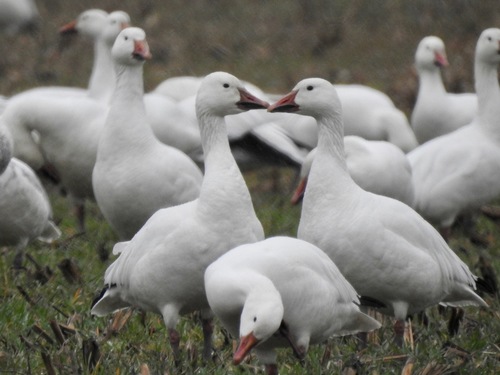 Oca delle nevi
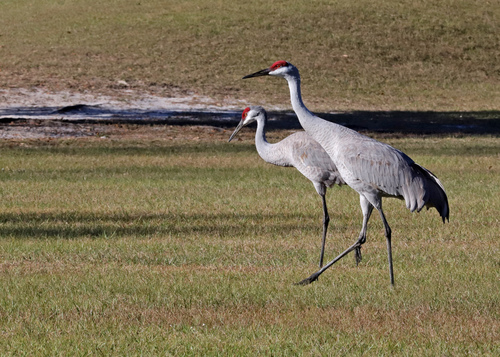 Sandhill Crane
In breve
Il modo più affidabile per separare l'Oca delle nevi dalla Sandhill Crane è attraverso la struttura generale e lo stile di volo: l'Oca delle nevi è un'oca compatta e dal collo corto con un becco spesso e rosa e primarie nere in contrasto, mentre la Sandhill Crane è un uccello molto più alto e dal collo lungo con un becco sottile e appuntito, gambe che si allungano e piumaggio grigio o ocra. Le Oche delle nevi immature (soprattutto la forma blu) possono apparire grigiastre e potrebbero confondere i principianti, ma anche in quel caso, il collo corto dell'oca e la mancanza di gambe che si allungano in volo sono distintivi. Le Sandhill Crane mostrano sempre un collo dritto ed esteso e lunghe gambe che si allungano ben oltre la coda in volo. La forma del becco, la proiezione delle gambe e la dimensione complessiva sono fondamentali, specialmente a distanza o in stormi misti.
Consigli di identificazione
- Lunghezza del collo in volo: La Sandhill Crane vola sempre con un collo lungo e dritto; il collo dell'Oca delle nevi è molto più corto e appare tozzo in volo. Questo è il segno migliore a qualsiasi distanza.
- Proiezione delle gambe: In volo, le lunghe gambe scure della Sandhill Crane si allungano ben oltre la coda; le gambe dell'Oca delle nevi sono corte e non si estendono mai oltre la coda.
- Forma e colore del becco: L'Oca delle nevi ha un becco corto, spesso e rosa con una macchia nera; il becco della Sandhill Crane è lungo, dritto e scuro, più simile a quello di un airone.
- Forma del corpo: L'Oca delle nevi è compatta e robusta; la Sandhill Crane è alta, snella e slanciata, con una postura più eretta quando è in piedi.
- Piumaggio (adulto): L'Oca delle nevi adulta è completamente bianca con punte nere (forma bianca) o blu-grigia con una testa bianca (forma blu); la Sandhill Crane è sempre grigia o ocra, mai bianca, con una fronte rossa e guance bianche.
- Piumaggio (immature): L'Oca delle nevi immatura (forma blu) è grigio ardesia con poco bianco, ma ha comunque un becco e una forma da oca; la Sandhill Crane immatura è marrone-rossiccia sopra, grigia sotto, e manca della fronte rossa.
- Schema delle ali in volo: L'Oca delle nevi mostra primarie nere in netto contrasto con ali bianche o blu-grigie; le ali della Sandhill Crane sono uniformemente grigiose, senza punte nere.
- Colore di piedi e gambe: L'Oca delle nevi ha piedi e gambe rosati (più opachi nelle immature); le gambe della Sandhill Crane sono sempre scure.
- Comportamento alimentare: Le Oche delle nevi pascolano in stormi densi e rumorosi nei campi; le Sandhill Crane si nutrono più lentamente, spesso in coppie o piccoli gruppi, in zone umide o praterie.
- Vocalizzazioni: L'Oca delle nevi emette forti honk nasali; la Sandhill Crane emette richiami profondi, trombettanti e rotolanti, spesso in duetti sincronizzati.
- Stile di volo: Le Oche delle nevi battono le ali in modo costante e volano in formazioni compatte; le Sandhill Crane planano su termiche con battiti d'ali lenti e profondi, spesso viste circolare in alto nel cielo.
- Schema della testa: Gli adulti della Sandhill Crane hanno una fronte rossa e una macchia bianca sulla guancia; l'Oca delle nevi ha una testa bianca o grigia semplice (a volte macchiata di ruggine per l'alimentazione).
- Habitat: Se l'uccello si trova al bordo di un'area umida o in una palude poco profonda, specialmente in piedi alto e da solo o in coppia, sospetta la Sandhill Crane; se in uno stormo denso su un campo asciutto, sospetta l'Oca delle nevi.
- Confronto delle dimensioni: Se entrambe le specie sono presenti, la Sandhill Crane sovrasterà l'Oca delle nevi, essendo molto più alta e con ali più lunghe.
- Trappole: Le Oche delle nevi immature di forma blu possono apparire grigiastre e possono confondere i principianti, ma controlla sempre la lunghezza del collo, la forma del becco e la proiezione delle gambe in volo.
Taglia
La Sandhill Crane è sostanzialmente più grande e alta dell'Oca delle nevi. Mentre l'Oca delle nevi pesa in media circa 2,6 kg e si erge tra i 64 e i 79 cm, i maschi della Sandhill Crane pesano in media 4,6 kg e le femmine 4,0 kg, con altezze tipiche di 80–136 cm. L'apertura alare della gru è anche molto maggiore (tipicamente 200 cm, fino a 230 cm), rispetto ai 135–165 cm dell'Oca delle nevi. Sul campo, le gru appaiono slanciate e torreggianti, mentre le oche sono compatte e robuste.
Piumaggio
- Uccelli immaturi/giovanili: Le Oche delle nevi immature (soprattutto la forma blu) sono grigio ardesia nel complesso con poco o nessun bianco sulla testa, collo o pancia, e becco e gambe rosa più opachi. Le Sandhill Crane immature sono marrone-rossicce sopra e grigie sotto, prive della fronte rossa degli adulti. Entrambe possono apparire grigiastre a distanza, ma il piumaggio della gru è sempre più uniforme e manca del netto contrasto bianco e nero delle ali dell'Oca delle nevi.
- Adulti: Le Oche delle nevi adulte sono completamente bianche con punte nere (forma bianca) o hanno una miscela di bianco e blu-grigio (forma blu), sempre con una testa e una punta di coda bianche. Le Sandhill Crane sono grigie nel complesso, spesso macchiate di ocra durante la stagione di riproduzione, con una fronte rossa e guance bianche. In volo, l'Oca delle nevi mostra primarie nere in netto contrasto con il resto dell'ala, mentre le ali della Sandhill Crane sono uniformemente grigiose senza punte nere.
- In volo: L'Oca delle nevi non mostra mai gambe che si allungano oltre la coda; le lunghe gambe scure della Sandhill Crane si allungano ben oltre la coda. L'Oca delle nevi ha un collo corto tenuto dritto; il collo della Sandhill Crane è molto più lungo e anche tenuto dritto in volo.
Comportamento
Le Oche delle nevi si nutrono e si muovono tipicamente in stormi densi e rumorosi, spesso su campi aperti o paludi, e volano in gruppi densi e organizzati. Le Sandhill Crane sono solitamente viste in coppie o stormi sciolti, spesso in zone umide o praterie aperte, e il loro volo è più leggero e planante, spesso sfruttando le termiche con battiti d'ali minimi. Le gru sono più propense a essere viste camminare lentamente con passi deliberati, mentre le oche pascolano in modo più frenetico e curvo.
Habitat
Le Oche delle nevi si trovano più spesso in campi agricoli aperti, paludi e fanghi, specialmente durante la migrazione e l'inverno. Le Sandhill Crane preferiscono i bordi delle zone umide, paludi, torbiere e praterie aperte, spesso vicino a acque poco profonde. Anche se entrambe possono essere viste in campagna aperta, le gru sono più legate ai bordi delle zone umide e sono meno propense a essere trovate a nutrirsi in stormi densi su campi asciutti.
Voce
Le Oche delle nevi sono estremamente vocali, producendo forti richiami nasali che si sentono per miglia e sono spesso udibili da grandi stormi. Le Sandhill Crane hanno un richiamo distintivo e forte con una qualità trombettante e rotolante, spesso emesso all'unisono da coppie. Il richiamo della gru è più profondo, più risonante e meno nasale rispetto a quello dell'oca, e può essere udito a lunghe distanze, specialmente durante la migrazione.