

Sharp-shinned Hawk vs American Goshawk
Accipiter striatus contro Astur atricapillus
Fai un quiz con Sharp-shinned Hawk e American Goshawk
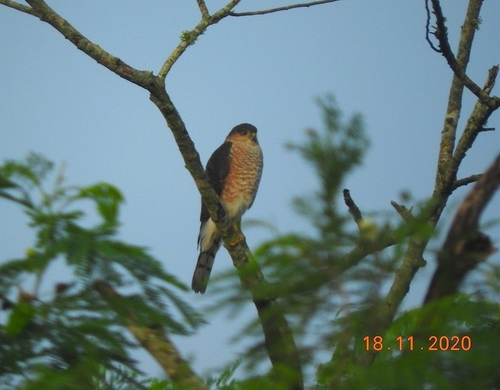 Sharp-shinned Hawk
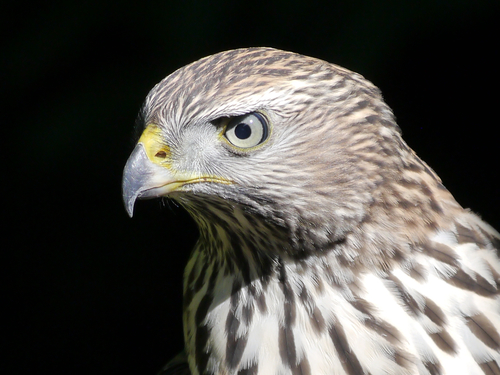 American Goshawk
In breve
I giovani Sharp-shinned Hawks e gli American Goshawks possono essere confusi, specialmente in volo, ma il segno distintivo più affidabile è la dimensione e la struttura: l'American Goshawk è molto più grande e massiccio, con un petto ampio e una corporatura potente, mentre lo Sharp-shinned è notevolmente piccolo e snello, con gambe lunghe e sottili. Il piumaggio giovanile differisce nel modello di striature: i giovani Goshawk mostrano striature verticali pesanti, uniformi e verticali sulle parti inferiori, mentre i giovani Sharp-shinned hanno striature più fini, più rossicce o marroni e un aspetto squamoso sopra. In volo, i battiti d'ala del Goshawk sono più lenti e profondi, e la sua coda appare più corta rispetto al suo corpo. Entrambe le specie hanno una colorazione complessiva simile da adulte, ma il Goshawk non mostra mai le striature rugginose tipiche dello Sharp-shinned adulto. Usa una combinazione di dimensione, struttura e modello di striature per la separazione più affidabile, specialmente con gli uccelli immaturi.
Consigli di identificazione
- La dimensione è il primo controllo: Se l'uccello è delle dimensioni di un corvo o più grande, è un Goshawk; se è delle dimensioni di un ghiandaia o di una colomba, è uno Sharp-shinned. Non c'è sovrapposizione di dimensioni nella lunghezza delle ali o della coda tra i due.
- Struttura in volo: Il Goshawk ha un petto ampio, con un collo spesso e gambe robuste; lo Sharp-shinned è snello, con una testa piccola e gambe molto lunghe e sottili. La coda del Goshawk appare più corta e più ampia rispetto al suo corpo.
- Battiti d'ala: Il Goshawk ha battiti d'ala lenti, profondi e deliberati; quelli dello Sharp-shinned sono rapidi e scattanti. Questo è particolarmente evidente in volo aperto.
- Striature delle parti inferiori nei giovani: Il giovane Goshawk ha striature verticali pesanti, uniformi e verticali sul petto e sull'addome; il giovane Sharp-shinned mostra striature più fini, spesso rossicce o marroni, con un aspetto squamoso sopra e striature rossicce sui lati.
- Striature delle parti inferiori negli adulti: L'adulto Sharp-shinned ha striature rugginose o fulve sotto; il Goshawk non mostra mai striature rugginose, avendo invece striature grigie fini sulle parti inferiori chiare.
- Colore delle parti superiori: Entrambi gli adulti sono blu-grigi sopra, ma lo Sharp-shinned ha un cappuccio più scuro e a volte macchie scapolari bianche; le parti superiori del Goshawk sono più uniformemente grigie.
- Forma della coda: La coda dello Sharp-shinned è di lunghezza media, striata, e varia da incisa a quadrata o leggermente arrotondata, spesso con una punta bianca stretta; la coda del Goshawk è più ampia, più quadrata e proporzionalmente più corta.
- Spessore delle gambe: Lo Sharp-shinned ha gambe molto sottili e lunghe; le gambe del Goshawk sono più spesse e robuste.
- Testa e becco: Il Goshawk ha una testa più grande e più ampia e un becco più pesante; la testa dello Sharp-shinned è piccola e arrotondata.
- Aspetto quando posato: Il Goshawk appare massiccio, eretto e con un petto ampio; lo Sharp-shinned è snello, spesso appare curvo, con una testa piccola e gambe lunghe.
- Contesto dell'habitat: Lo Sharp-shinned è più probabile che si trovi in habitat suburbani o di margine, specialmente durante la migrazione; il Goshawk preferisce foreste profonde e mature.
- Colore dell'iride (adulti): L'adulto Sharp-shinned ha iridi di colore arancione scuro a rosso; i giovani sono giallastri a arancione pallido. Il colore dell'iride del Goshawk non è specificato qui ma è tipicamente rosso negli adulti.
- Colore della coscia: Gli adulti Sharp-shinned hanno cosce rugginose, spesso striate di bianco; il colore della coscia del Goshawk non è distintivo per la separazione.
- Macchie scapolari: Lo Sharp-shinned può mostrare macchie bianche casuali sulle scapolari; il Goshawk non lo fa.
- Trappole: Il piumaggio giovanile è il principale punto di confusione—concentrati sul modello di striature, dimensione e struttura. Non fare affidamento solo sulla striatura della coda, poiché entrambe le specie mostrano code striate.
Taglia
L'American Goshawk è drammaticamente più grande dello Sharp-shinned Hawk. I maschi adulti di Sharp-shinned Hawks sono lunghi 23–30 cm con un'apertura alare di 42–58 cm e pesano 82–115 g; le femmine sono 29–37 cm, apertura alare 58–68 cm, e 150–219 g [wikipedia]. L'American Goshawk non ha misure precise qui, ma è sempre molto più grande e massiccio anche del più grande Sharp-shinned, senza sovrapposizione nella lunghezza delle ali o della coda [wikipedia]. Sul campo, il Goshawk appare delle dimensioni di un corvo o di un corvo, mentre lo Sharp-shinned è più vicino a una ghiandaia o a una piccola colomba. Anche un piccolo maschio di Goshawk è molto più grande di una femmina di Sharp-shinned. Questa differenza di dimensione è spesso il segno distintivo più facile e affidabile.
Piumaggio
Il piumaggio giovanile è il principale punto di confusione. I giovani Sharp-shinned Hawks hanno parti superiori marroni con bordi rugginosi (aspetto squamoso), una testa striata di marrone e parti inferiori bianche pesantemente striate di marrone o rossiccio, spesso con striature rossicce sui lati [wikipedia]. I giovani American Goshawks hanno striature verticali pesanti, uniformi e verticali sul petto e sull'addome, mancando della forma a goccia vista nel Cooper's Hawk, e non mostrano mai striature rugginose sotto [wikipedia]. I giovani Goshawk sono più pesantemente e uniformemente striati rispetto agli Sharp-shinned, che possono mostrare striature più fini e più rossicce. Gli adulti di Sharp-shinned Hawks hanno parti superiori blu-grigie, un cappuccio scuro, striature rugginose o fulve sotto, e cosce rugginose; gli adulti Goshawk sono simili sopra ma non hanno mai striature rugginose sotto, mostrando invece parti inferiori chiare con striature grigie fini. In volo, entrambe mostrano code striate, ma la coda del Goshawk è proporzionalmente più corta e più ampia. La punta della coda dello Sharp-shinned varia da incisa a quadrata o leggermente arrotondata, spesso con una punta bianca stretta; la coda del Goshawk è più ampia e più quadrata. Le gambe dello Sharp-shinned sono lunghe e molto sottili, mentre quelle del Goshawk sono più spesse e robuste.
Comportamento
In volo, l'American Goshawk è potente, con battiti d'ala profondi e deliberati e uno stile di volo forte e diretto. Lo Sharp-shinned Hawk è rapido e agile, con battiti d'ala rapidi e scattanti e un volo più fluttuante e galleggiante. Posato, il Goshawk si siede più eretto e appare massiccio, con un petto ampio e una testa grande; lo Sharp-shinned è snello, spesso appare curvo, con una testa piccola e gambe lunghe. Il Goshawk può planare più spesso ed è meno probabile che venga visto sfrecciare attraverso una copertura densa rispetto allo Sharp-shinned, che è uno specialista di rapidi scatti a bassa quota attraverso i boschi.
Habitat
Entrambe le specie si trovano nelle foreste, ma lo Sharp-shinned Hawk è più spesso trovato in boschi densi, margini forestali e talvolta in aree suburbane, specialmente durante la migrazione. L'American Goshawk preferisce foreste mature ed estese ed è meno probabile che venga visto in habitat aperti o suburbani. Durante la migrazione, lo Sharp-shinned è molto più probabile che venga visto in una varietà di habitat, inclusi parchi urbani e giardini, mentre il Goshawk rimane legato a tratti più ampi di foresta.
Sharp-shinned Hawk · American Goshawk · I miei uccelli difficili