

Beccapesci vs Great Crested Tern
Thalasseus sandvicensis contro Thalasseus bergii
Fai un quiz con Beccapesci e Great Crested Tern
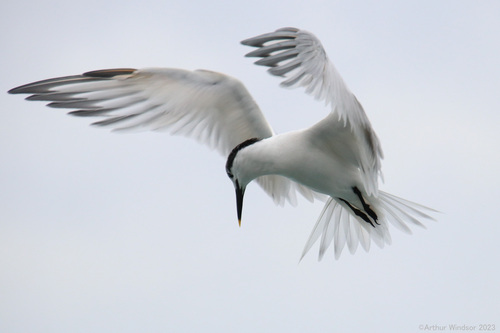 Beccapesci
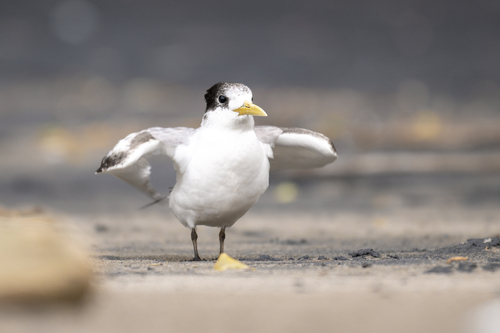 Great Crested Tern
In breve
Il segno distintivo più affidabile tra Beccapesci e Great Crested Tern è il becco: il Beccapesci ha un becco nero con una punta gialla, mentre il Great Crested Tern mostra un becco più lungo e spesso che è giallo-verde in tutto. Per gli uccelli immaturi, concentrati sulla parte superiore dell'ala: i giovani Beccapesci hanno un aspetto squamoso sopra con punte scure della coda e un becco completamente scuro, mentre i giovani Great Crested Tern hanno un modello di ala più variegato con barre scure e un becco giallastro. Il Great Crested Tern è anche notevolmente più grande e massiccio, con parti superiori più scure e una cresta più disordinata. In volo o a riposo, presta particolare attenzione al colore del becco, alla dimensione e al modello delle parti superiori e della testa, specialmente negli uccelli non in riproduzione e giovani.
Consigli di identificazione
- Colore e forma del becco: Il Beccapesci mostra sempre un becco nero sottile e affilato con una punta gialla (adulti); il Great Crested Tern ha un becco molto più lungo e spesso che è giallo-verde in tutto. Questo è il controllo più veloce in buona luce per gli adulti.
- Becco giovanile: I giovani Beccapesci hanno un becco completamente nerastro (a volte con una base giallastra), mentre i giovani Great Crested Tern mostrano già una sfumatura giallastra.
- Modello dell'ala superiore (giovani/immaturi): I giovani Beccapesci sono squamosi sopra, con ali superiori grigie chiare e meno nero sulla corona. I giovani Great Crested Tern hanno un'ala superiore variegata con barre scure e un modello più complesso, oltre a una barra scura sulle piume di volo interne dopo la prima muta.
- Punta della coda (giovani): I giovani Beccapesci hanno punte scure sulla coda, una caratteristica non menzionata per il Great Crested Tern.
- Corona e fronte (adulti, tutte le stagioni): Il Beccapesci ha una cappuccio nero completo in abito nuziale, che si ritira a una fronte bianca in inverno. Il Great Crested Tern mostra sempre una fronte bianca, anche in abito nuziale, con una cresta nera più disordinata e pronunciata sul retro.
- Colore delle parti superiori: Il Beccapesci è grigio chiaro sopra; il Great Crested Tern è notevolmente più scuro, con parti superiori grigio corazzato.
- Bordi delle piume primarie (adulti): Il Beccapesci ha un ampio margine bianco sulla rete interna delle primarie, che si consuma in una 'punta a gancio' in tarda estate. Il Great Crested Tern non ha questa caratteristica.
- Dimensione e struttura: Il Great Crested Tern è molto più grande, massiccio e con un becco più lungo. Se visti insieme, la differenza di dimensione è ovvia.
- Volo: Il Beccapesci è più galleggiante e delicato in volo; il Great Crested Tern è più pesante e più potente, con ali più lunghe e più larghe.
- Colore delle gambe: Entrambi hanno gambe nere; non utile per la separazione.
- Forma della cresta: La cresta del Great Crested Tern è più disordinata e più pronunciata sul retro; quella del Beccapesci è meno così.
- Parti inferiori: Entrambi sono bianchi sotto; non è un segno distintivo utile.
- Vocalizzazioni: Il Beccapesci emette un richiamo acuto e graffiante; il Great Crested Tern è più profondo, simile a un corvo. Utile se i richiami sono ben udibili.
- Habitat/contesto: Se visti in colonie tropicali/subtropicali del Vecchio Mondo, specialmente con altri grandi sterni, è più probabile vedere il Great Crested Tern. In Europa temperata, il Beccapesci predomina.
- Trappole: Fai attenzione agli abiti non riproduttivi e giovanili, poiché entrambe le specie mostrano più bianco sulla fronte e possono sembrare simili a distanza. Concentrati sul colore/forma del becco e sul modello dell'ala superiore per la migliore separazione.
Taglia
Il Great Crested Tern è sostanzialmente più grande: 46–49 cm di lunghezza con un'apertura alare di 125–130 cm e un peso di 325–397 g. Il Beccapesci è di dimensioni medie-grandi per uno sterne, ma complessivamente più piccolo: 36–41 cm di lunghezza, 95–105 cm di apertura alare, 200–300 g. La differenza di dimensione è ovvia quando visti insieme, con il Great Crested Tern che appare più massiccio, con un becco più lungo e un corpo più pesante.
Piumaggio
- Giovani e immaturi: I giovani Beccapesci hanno un aspetto squamoso sulla schiena e sulle ali, punte scure sulla coda e un becco completamente nerastro (a volte giallastro alla base). La loro ala superiore è chiara con meno nero sulla corona. I giovani Great Crested Tern hanno un modello di testa simile agli adulti in inverno (fronte bianca, corona nera), ma le parti superiori sono fortemente modulate in grigio, marrone e bianco, con ali chiuse che mostrano barre scure e un aspetto variegato. Dopo la prima muta, i giovani Great Crested Tern mostrano ancora una barra scura sulle piume di volo interne, a differenza dell'aspetto più semplice e squamoso dei giovani Beccapesci.
- Adulti (riproduzione): Gli adulti Beccapesci hanno ali superiori grigie chiare, parti inferiori bianche e un cappuccio nero con un becco sottile e affilato di colore giallo alla punta. Gli adulti Great Crested Tern hanno parti superiori più scure, grigio corazzato, una fronte bianca (anche in abito nuziale), una cresta più disordinata e un becco lungo e spesso di colore giallo-verde.
- Adulti (non riproduzione): Entrambe le specie mostrano un aumento del bianco sulla fronte, ma il cappuccio nero del Beccapesci si ritira più estensivamente, mentre il Great Crested Tern mantiene una fronte bianca che si fonde in una cresta e maschera nera maculata.
- In volo: Il Beccapesci appare più chiaro sopra, con un ampio margine bianco sulla rete interna delle primarie (si consuma in una 'punta a gancio' in tarda estate). Il Great Crested Tern è più scuro sopra, senza tale margine bianco, e appare più massiccio e con ali più lunghe.
Comportamento
Entrambe le specie sono altamente vocali e nidificano in colonie dense, spesso con altri sterni. Il Great Crested Tern è più probabile che venga visto in grandi gruppi rumorosi lungo le coste tropicali e subtropicali, e la sua dimensione maggiore e il volo più pesante sono evidenti quando mescolato con altri sterni. Il Beccapesci è più galleggiante e delicato in volo, con una struttura più leggera e gambe più corte.
Habitat
Il Beccapesci nidifica e cerca cibo principalmente in aree costiere temperate, mentre il Great Crested Tern si trova lungo le coste tropicali e subtropicali dal Sudafrica attraverso l'Oceano Indiano fino all'Australia e al Pacifico centrale. La sovrapposizione è limitata, ma entrambe le specie possono verificarsi in colonie miste di sterni lungo coste adatte. Il contesto può aiutare, ma non è diagnostico dove le gamme si sovrappongono.
Voce
Entrambi sono rumorosi e vocali nelle colonie. Il Beccapesci emette un richiamo caratteristico graffiante "kear-ik" o "kerr ink". Il richiamo principale del Great Crested Tern è un forte, rauco, simile a un corvo "kerrak"; emette anche un "korrkorrkorr" al nido e un duro "wep wep" in volo. I richiami sono simili nella funzione ma differiscono nel tono: il Beccapesci è graffiante e più acuto, il Great Crested Tern è più profondo e più simile a un corvo.