

Charrán Patinegro vs Charrán Piquigualdo
Thalasseus sandvicensis frente a Thalasseus bergii
Juega un quiz con Charrán Patinegro y Charrán Piquigualdo
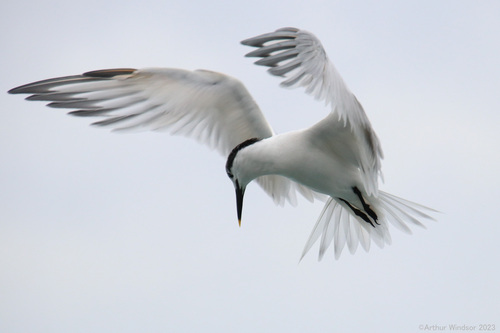 Charrán Patinegro
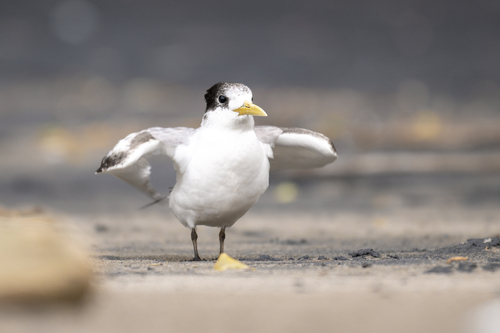 Charrán Piquigualdo
En breve
La marca de campo más confiable entre el Charrán Patinegro y el Charrán Piquigualdo es el pico: el Charrán Patinegro tiene un pico negro con una punta amarilla, mientras que el Charrán Piquigualdo muestra un pico más largo y grueso que es amarillento-verde en su totalidad. Para las aves inmaduras, enfóquese en el ala superior: los Charranes Patinegros juveniles son escamosos por encima con puntas de cola oscuras y un pico completamente oscuro, mientras que los Charranes Piquigualdos juveniles tienen un patrón de alas más variado con barras oscuras y un pico amarillento. El Charrán Piquigualdo también es notablemente más grande y robusto, con partes superiores más oscuras y una cresta más desaliñada. En vuelo o en reposo, preste mucha atención al color del pico, tamaño y el patrón de las partes superiores y la cabeza, especialmente en aves no reproductivas y jóvenes.
Consejos de identificación
- Color y forma del pico: El Charrán Patinegro siempre muestra un pico negro delgado y afilado con una punta amarilla (adultos); el Charrán Piquigualdo tiene un pico mucho más largo y grueso que es amarillento-verde en su totalidad. Esta es la verificación más rápida en buena luz para los adultos.
- Pico juvenil: Los Charranes Patinegros juveniles tienen un pico completamente negruzco (a veces con una base amarillenta), mientras que los Charranes Piquigualdos juveniles ya muestran un tinte amarillento.
- Patrón del ala superior (juveniles/inmaduros): Los Charranes Patinegros juveniles son escamosos por encima, con alas superiores de color gris pálido y menos negro en la corona. Los juveniles del Charrán Piquigualdo tienen un ala superior variada con barras oscuras y un patrón más complejo, además de una barra oscura en las plumas de vuelo internas después de la primera muda.
- Punta de la cola (juveniles): Los Charranes Patinegros juveniles tienen puntas oscuras en la cola, una característica no mencionada para el Charrán Piquigualdo.
- Corona y frente (adultos, todas las estaciones): El Charrán Patinegro tiene una capucha negra completa en plumaje de cría, retrocediendo a un frente blanco en invierno. El Charrán Piquigualdo siempre muestra un frente blanco, incluso en plumaje de cría, con una cresta negra más desaliñada y pronunciada en la parte posterior.
- Color de las partes superiores: El Charrán Patinegro es de color gris pálido por encima; el Charrán Piquigualdo es notablemente más oscuro, con partes superiores de color gris de acorazado.
- Bordes de las plumas primarias (adultos): El Charrán Patinegro tiene un amplio margen blanco en la red interna de las primarias, que se desgasta hasta convertirse en una 'punta de gancho' a finales del verano. El Charrán Piquigualdo carece de esta característica.
- Tamaño y estructura: El Charrán Piquigualdo es mucho más grande, robusto y con un pico más largo. Si se ven juntos, la diferencia de tamaño es obvia.
- Vuelo: El Charrán Patinegro es más ligero y delicado en vuelo; el Charrán Piquigualdo es más pesado y poderoso, con alas más largas y anchas.
- Color de las patas: Ambos tienen patas negras; no es útil para la separación.
- Forma de la cresta: La cresta del Charrán Piquigualdo es más desaliñada y pronunciada en la parte posterior; la del Charrán Patinegro es menos así.
- Partes inferiores: Ambos son blancos por debajo; no es una marca de campo útil.
- Vocalizaciones: El Charrán Patinegro emite un llamado agudo y chirriante; el Charrán Piquigualdo es más profundo, más parecido a un cuervo. Útil si se escuchan bien los llamados.
- Hábitat/contexto: Si se ven en colonias tropicales/subtropicales del Viejo Mundo, especialmente con otros charranes grandes, es más probable que sea el Charrán Piquigualdo. En Europa templada, predomina el Charrán Patinegro.
- Trampas: Tenga cuidado con los plumajes no reproductivos y juveniles, ya que ambas especies muestran más blanco en la frente y pueden parecer similares a distancia. Enfóquese en el color/forma del pico y el patrón del ala superior para la mejor separación.
Tamaño
El Charrán Piquigualdo es sustancialmente más grande: 46–49 cm de longitud con una envergadura de 125–130 cm y un peso de 325–397 g. El Charrán Patinegro es de tamaño mediano-grande para un charrán, pero más pequeño en general: 36–41 cm de largo, 95–105 cm de envergadura, 200–300 g. La diferencia de tamaño es obvia cuando se ven juntos, con el Charrán Piquigualdo apareciendo más robusto, con un pico más largo y un cuerpo más pesado.
Plumaje
- Juveniles e inmaduros: Los Charranes Patinegros juveniles tienen una apariencia escamosa en la espalda y las alas, puntas oscuras en la cola y un pico completamente negruzco (a veces amarillento en la base). Su ala superior es pálida con menos negro en la corona. Los Charranes Piquigualdos juveniles tienen un patrón de cabeza similar al de los adultos de invierno (frente blanco, corona negra), pero las partes superiores están fuertemente marcadas en gris, marrón y blanco, con alas cerradas que muestran barras oscuras y un aspecto variado. Después de la primera muda, los jóvenes Charranes Piquigualdos aún muestran una barra oscura en las plumas de vuelo internas, a diferencia del aspecto más simple y escamoso de los jóvenes Charranes Patinegros.
- Adultos (cría): Los adultos del Charrán Patinegro tienen alas superiores de color gris pálido, partes inferiores blancas y una capucha negra con un pico delgado y afilado de color negro con punta amarilla. Los adultos del Charrán Piquigualdo tienen partes superiores más oscuras, de color gris de acorazado, un frente blanco (incluso en plumaje de cría), una cresta más desaliñada y un pico largo y grueso de color amarillento-verde.
- Adultos (no cría): Ambas especies muestran más blanco en la frente, pero la capucha negra del Charrán Patinegro retrocede más extensamente, mientras que el Charrán Piquigualdo retiene un frente blanco que se fusiona en una cresta y máscara negra moteada.
- En vuelo: El Charrán Patinegro se ve más pálido por encima, con un amplio margen blanco en la red interna de las primarias (se desgasta hasta convertirse en una 'punta de gancho' a finales del verano). El Charrán Piquigualdo es más oscuro por encima, sin tal margen blanco, y parece más robusto y con alas más largas.
Comportamiento
Ambas especies son altamente vocales y anidan en colonias densas, a menudo con otros charranes. El Charrán Piquigualdo es más probable que se vea en grandes grupos ruidosos a lo largo de costas tropicales y subtropicales, y su mayor tamaño y vuelo más pesado son evidentes cuando se mezcla con otros charranes. El Charrán Patinegro es más ligero y delicado en vuelo, con una construcción más ligera y patas más cortas.
Hábitat
El Charrán Patinegro cría y busca alimento principalmente en áreas costeras templadas, mientras que el Charrán Piquigualdo se encuentra a lo largo de costas tropicales y subtropicales desde Sudáfrica a través del Océano Índico hasta Australia y el Pacífico central. La superposición es limitada, pero ambos pueden ocurrir en colonias mixtas de charranes a lo largo de costas adecuadas. El contexto puede ayudar, pero no es diagnóstico donde las áreas de distribución se superponen.
Voz
Ambos son ruidosos y vocales en colonias. El Charrán Patinegro emite un llamado característico chirriante "kear-ik" o "kerr ink". El llamado principal del Charrán Piquigualdo es un fuerte, ruidoso, parecido a un cuervo "kerrak"; también emite un "korrkorrkorr" en el nido y un fuerte "wep wep" en vuelo. Los llamados son similares en función pero difieren en tono: el Charrán Patinegro es chirriante y más agudo, el Charrán Piquigualdo es más profundo y más parecido a un cuervo.
Charrán Patinegro · Charrán Piquigualdo · Mis aves difíciles