

Rufous-tailed Foliage-gleaner vs Buff-browed Foliage-gleaner
Anabacerthia ruficaudata contro Syndactyla rufosuperciliata
Fai un quiz con Rufous-tailed Foliage-gleaner e Buff-browed Foliage-gleaner
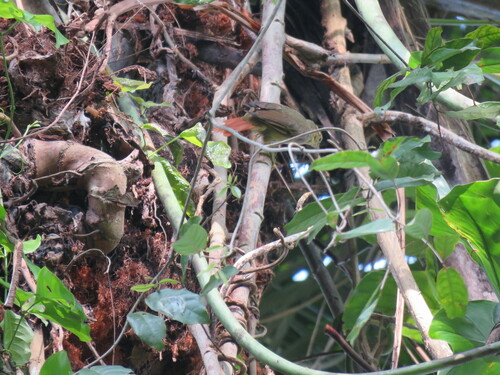 Rufous-tailed Foliage-gleaner
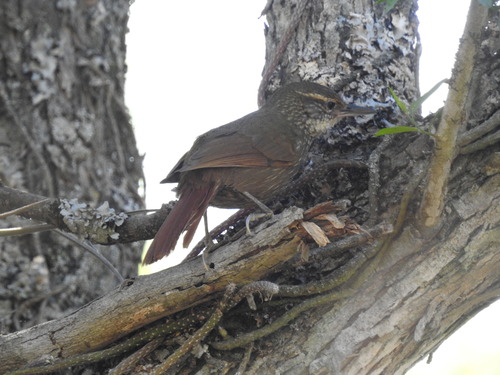 Buff-browed Foliage-gleaner
In breve
Il segno di campo più affidabile per separare il Rufous-tailed Foliage-gleaner dal Buff-browed Foliage-gleaner è la combinazione di colore della coda e supercilium: il Rufous-tailed mostra una coda rufous più brillante e distintiva e un supercilium più stretto e ocra-buff, mentre il Buff-browed ha una coda rufous più opaca e un supercilium più ampio e chiaro che si estende fino alla nuca. Le differenze nei giovanili sono sottili ma presenti, con il Rufous-tailed che mostra un supercilium ocra più prominente e parti superiori più marroni, mentre i giovanili Buff-browed hanno parti inferiori macchiate (non striate). Entrambe le specie sono foliage-gleaners di taglia media con una struttura simile, ma il Buff-browed tende ad avere un becco leggermente più spesso e curvato verso l'alto. Prestare attenzione al modello del viso, al tono della coda e alla striatura delle parti inferiori è fondamentale, specialmente in stormi misti o in condizioni di scarsa illuminazione.
Consigli di identificazione
- Tail Color: Il Rufous-tailed Foliage-gleaner ha una coda rufous più brillante e più satura, mentre la coda del Buff-browed è rufous più opaca o castagna, a volte con una sfumatura castagna in alcune sottospecie. Questo è spesso visibile anche nella foresta ombreggiata.
- Supercilium (Eyebrow): Il Rufous-tailed mostra un supercilium stretto e ocra-buff, mentre il Buff-browed ha un supercilium più ampio e chiaro che si estende bene dietro l'occhio fino alla nuca—questo è particolarmente ovvio nelle viste laterali.
- Eyering: Il Rufous-tailed ha un ampio anello ocraceo-buff, in contrasto con il viso; l'anello del Buff-browed è buff-tawny ma meno evidente a causa del supercilium più ampio.
- Face Pattern: Il Rufous-tailed presenta una linea oliva scura dietro l'occhio e lore/coverts auricolari oliva-marroni con macchie giallo-buff; il Buff-browed ha un viso marrone con piccole marcature buff, mancando del forte contrasto del Rufous-tailed.
- Crown and Back: Il Rufous-tailed ha una corona oliva scura con macchie/strisce pallide deboli sul retro, e una parte superiore con strisce pallide; la corona del Buff-browed è oliva-marrone opaca con solo vaghe strisce bianche sul retro, e la schiena/il coda sono semplicemente oliva-marrone.
- Underparts: La gola del Rufous-tailed è buff-gialla (a volte gialla più chiara in alcune sottospecie), il petto e la pancia sono di un buff giallo opaco con strisce olive deboli, e i fianchi/coverts della coda inferiore sono più olivacei. La gola del Buff-browed è bianca con punte di piume marroni, il petto è bianco-buffy con bordi di piume oliva-marroni (a forma di scallop), e la pancia mostra ampie strisce buffy-bianche sfocate che svaniscono verso il retro.
- Juvenile Underparts: Il giovanile Rufous-tailed ha parti inferiori più scure, meno giallastre e un supercilium ocra più prominente; il giovanile Buff-browed ha parti inferiori macchiate (non striate)—un segno sottile ma diagnostico se visto bene.
- Bill Shape: Il Buff-browed ha un becco più spesso e leggermente curvato verso l'alto, mentre il becco del Rufous-tailed è a forma di cuneo e meno robusto. Questo può essere difficile da giudicare a meno che non sia visto fianco a fianco.
- Uppertail Coverts: I coverts della coda superiore del Rufous-tailed sono di un oliva scuro con punte rufous; quelli del Buff-browed sono semplicemente oliva-marrone o possono avere una sfumatura castagna in alcune sottospecie.
- Throat Color (Subspecies): Alcune sottospecie di Rufous-tailed (es. subflavescens, flavipectus) mostrano una gola gialla più chiara o giallastra più scura, mentre le sottospecie di Buff-browed variano da un tono buff a un ocra più chiaro, ma sempre più chiaro della coda rufous.
- Underpart Streaking: Le striature del Rufous-tailed sono deboli e per lo più sulla parte superiore del petto; le striature del Buff-browed sono più ampie, più sfocate e più prominenti sulla pancia, svanendo verso il vent.
- Leg Color: Entrambe le specie hanno gambe nell'intervallo oliva a marrone; non è un segno di campo affidabile.
- Habitat Context: Nella terra firme o várzea strettamente amazzonica, il Rufous-tailed è più probabile; nelle foreste delle Ande o dell'Atlantico meridionale, il Buff-browed è più probabile. Nelle zone di sovrapposizione, utilizzare piumaggio e struttura.
- Vocalization: Se sentito, il canto del Rufous-tailed è una serie forte e staccata di note 'te' o 'ke', discendenti e accelerando alla fine. Il canto del Buff-browed non è descritto qui.
- Pitfalls: Entrambe le specie possono mostrare un supercilium e un colore della gola variabili a seconda della sottospecie e dell'età. Controllare sempre più caratteristiche, specialmente il colore della coda, la larghezza/lunghezza del supercilium e il modello delle parti inferiori. I giovanili sono meglio separati dal modello delle parti inferiori (macchiate nel Buff-browed, più scure e meno gialle nel Rufous-tailed).
Taglia
Entrambe le specie sono molto simili in dimensioni, con il Buff-browed Foliage-gleaner che misura in media 17–18 cm di lunghezza e 22–33 g di massa (media 25.6 g), mentre il Rufous-tailed Foliage-gleaner è di 16–17 cm e 21–32 g. Sul campo, questa differenza di dimensioni è trascurabile e non è un punto di separazione affidabile. Anche la struttura è simile, ma il Buff-browed può apparire leggermente più robusto a causa del suo becco più spesso e curvato verso l'alto.
Piumaggio
- Juveniles: I giovanili del Rufous-tailed Foliage-gleaner mostrano un supercilium ocra più prominente, parti superiori più marroni e parti inferiori più scure e meno giallastre. I giovanili Buff-browed sono simili agli adulti ma hanno parti inferiori macchiate (anziché striate)—questo è il miglior segno specifico per l'età se visto bene.
- Adults: Il Rufous-tailed Foliage-gleaner ha un ampio anello ocraceo-buff, un supercilium stretto buff-giallo, una corona/schiena oliva scura con strisce pallide (soprattutto sulla parte superiore della schiena), e una coda rufous brillante. Le parti inferiori sono buff-gialle con strisce olive deboli. Il Buff-browed Foliage-gleaner mostra un supercilium più ampio e chiaro che si estende fino alla nuca, una corona/schiena oliva-marrone opaca con vaghe strisce bianche solo sul retro, e una coda rufous opaca. Le parti inferiori sono bianche-buffy con bordi di piume oliva-marroni (aspetto scallop), con strisce buffy-bianche sfocate sulla pancia che svaniscono verso il retro. Esistono differenze tra le sottospecie, ma sono sottili e influenzano principalmente il supercilium e il colore della gola.
Comportamento
Entrambe le specie si nutrono in modi simili, muovendosi metodicamente attraverso il fogliame, spesso come parte di stormi misti. Non sono state notate differenze comportamentali significative che possano aiutare nella separazione sul campo.
Habitat
Il Rufous-tailed Foliage-gleaner è principalmente un uccello delle foreste di terra firme amazzonica e delle foreste allagate stagionalmente, per lo più al di sotto dei 850 m ma fino a 1300 m in Venezuela. Il Buff-browed Foliage-gleaner ha un'area di distribuzione più ampia, trovandosi dall'Amazzonia fino al sud del Brasile, Argentina, Paraguay, Uruguay e pendii andini, occupando una varietà più ampia di tipi di foresta. Si verifica sovrapposizione in alcune parti del Brasile, Perù e Bolivia, ma il Buff-browed è più probabile nelle foreste meridionali e sudorientali, mentre il Rufous-tailed è più strettamente amazzonico.
Voce
Il Rufous-tailed Foliage-gleaner emette una serie forte e staccata di fino a 25 note 'te' o 'ke', discendenti e accelerando alla fine, o a volte su un'unica nota con accelerazione e poi leggera decelerazione. Il canto del Buff-browed non è descritto nelle note fornite, quindi le differenze vocali non possono essere utilizzate in modo affidabile per la separazione basata su queste informazioni.
Rufous-tailed Foliage-gleaner · Buff-browed Foliage-gleaner · I miei uccelli difficili