

Ruffed Grouse vs Spruce Grouse
Bonasa umbellus contro Canachites canadensis
Fai un quiz con Ruffed Grouse e Spruce Grouse
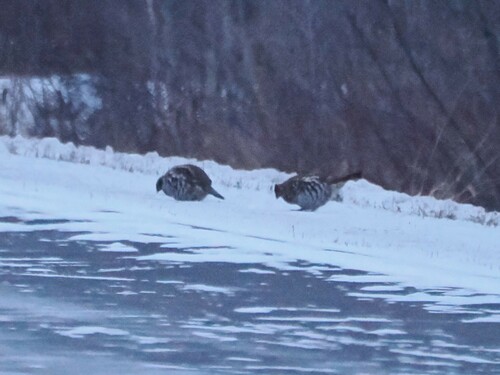 Ruffed Grouse
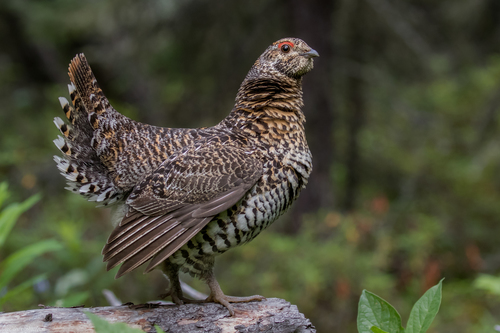 Spruce Grouse
In breve
Il segno di campo più affidabile per separare Ruffed Grouse da Spruce Grouse è il modello della coda: Ruffed Grouse mostra una larga banda nera subterminale vicino alla punta della coda (con una punta chiara), mentre Spruce Grouse ha una coda scura con una stretta banda chiara all'estremità. In volo o posato, Ruffed Grouse appare spesso più massiccio e variegato, con una cresta e collari al collo, mentre Spruce Grouse ha un modello più uniforme e manca della cresta. Le femmine e gli immaturi sono particolarmente confondenti, ma il modello della coda rimane una differenza chiave. I maschi di Spruce Grouse hanno un distintivo pettine rosso sopra l'occhio, assente in Ruffed Grouse. Entrambe le specie si sovrappongono nell'areale e possono verificarsi in simili foreste settentrionali, ma le loro preferenze di habitat e le sottili differenze strutturali possono aiutare a confermare l'identificazione.
Consigli di identificazione
- Tail Pattern (all ages/sexes): Ruffed Grouse mostra una larga banda nera vicino alla punta della coda con una punta chiara; Spruce Grouse ha una coda per lo più scura con una stretta banda chiara all'estremità. Questo è il segno di campo più affidabile, specialmente in volo o quando la coda è aperta.
- Crest and Ruffs (adults): Ruffed Grouse ha una cresta sulla testa e collari al collo che possono essere sollevati; Spruce Grouse manca di queste caratteristiche e non solleva le piume della corona quando è allarmato.
- Red Eyebrow Comb (adult males): I maschi di Spruce Grouse hanno un prominente pettine rosso sopra l'occhio, assente in Ruffed Grouse. Le femmine e gli immaturi mancano di questa caratteristica.
- Plumage Tone (all ages): Ruffed Grouse è più variegato, con barre e macchie, e si presenta in morfologie grigie e marroni. Spruce Grouse è più uniforme, con i maschi per lo più grigi sopra e neri sotto, le femmine macchiate di marrone o grigio.
- Underparts (adults): Ruffed Grouse (soprattutto morfo grigio) ha parti inferiori più chiare, barrate con più bianco; i maschi di Spruce Grouse sono neri sotto con macchie bianche, le femmine sono barrate ma meno bianche nel complesso.
- Sexing by Tail Band (adults): I maschi di Ruffed Grouse di solito hanno una banda della coda continua, le femmine spesso una interrotta, ma questo non è completamente affidabile. La determinazione del sesso in Spruce Grouse si basa sul pettine rosso sopra l'occhio.
- Behavior (all ages): Ruffed Grouse è più terrestre, esplode rumorosamente dalla copertura e può scavare nella neve. Spruce Grouse è più arboreo, spesso posato nei conifere, ed è generalmente più docile e silenzioso.
- Display (males): Ruffed Grouse tamburella (colpi profondi e accelerati); i maschi di Spruce Grouse (Franklinii) eseguono una dimostrazione di battito d'ali (due colpi netti). Ascolta questi suoni in primavera.
- Habitat (all ages): Ruffed Grouse preferisce foreste miste/decidue con una densa vegetazione; Spruce Grouse è legato a foreste boreali conifere. Usa l'habitat come un forte indizio di supporto.
- Head Shape (all ages): Ruffed Grouse ha un profilo della testa più appuntito a causa della cresta; Spruce Grouse ha una testa più rotonda.
- Flight Jizz (all ages): Ruffed Grouse appare più massiccio e esplode dalla copertura con forti battiti d'ali; Spruce Grouse è più propenso a volare silenziosamente o rimanere posato.
- Rump Feather Dots (adults, in hand): Le femmine di Ruffed Grouse hanno piume della coda con un singolo punto bianco; i maschi ne hanno più di uno. Non utilizzabile in campo ma diagnostico in mano.
- Morphs (all ages): Entrambe le specie hanno morfologie grigie e marroni, ma le morfologie di Ruffed Grouse sono più estreme e variabili, con più bianco nel morfo grigio e una coda grigia conspicua nel morfo marrone.
- Juvenile/Immature Confusion: Per gli uccelli giovani, concentrati sul modello della coda e sul jizz generale, poiché il piumaggio è altrimenti molto simile.
- Local Abundance: Nelle aree sovrapposte, controlla eBird o rapporti locali—Spruce Grouse è molto più probabile in dense conifere boreali, Ruffed Grouse in boschi misti.
Taglia
Ruffed Grouse is slightly larger on average, measuring 40–50 cm in length with a wingspan of 50–64 cm and weighing 450–750 g. Spruce Grouse is a bit smaller and more compact, at 38–43 cm long, wingspan 55–57 cm, and males 550–650 g, females 450–550 g. In the field, size alone is not a strong separator, but Ruffed Grouse may look bulkier and more robust, especially when fluffed up.
Piumaggio
- Juvenile/Immature/Adult Females: The tail pattern is the most diagnostic mark: Ruffed Grouse shows a broad black band near the tip of the tail with a pale tip, while Spruce Grouse has a mostly dark tail with a narrow pale band at the very end. This contrast works for all ages and both sexes.
- Adults: Ruffed Grouse is more variegated, with barring and mottling, and comes in grey and brown morphs. The throat is often paler, and the underparts are barred with more white in the grey morph. Spruce Grouse males are mostly grey above and black below, with white spots on the sides and a prominent red eyebrow comb. Females and immatures of Spruce Grouse are mottled brown or grey with barred underparts, resembling female Ruffed Grouse but with the tail pattern difference.
- Crest and Ruffs: Ruffed Grouse has a crest on the head and ruffs on the neck (both sexes), which can be raised; Spruce Grouse lacks these features and does not raise its crown feathers when alarmed.
- Sexing: Both Ruffed Grouse sexes are similar, but males tend to have unbroken tail bands, while females often have a broken band (not always reliable). In Spruce Grouse, only males have the red eyebrow comb.
Comportamento
Ruffed Grouse trascorre la maggior parte del suo tempo a terra, esplodendo spesso in un volo rumoroso quando spaventato, e può scavare nella neve in inverno. La sua dimostrazione caratteristica è il 'tamburellare' non vocale (battiti d'ali rapidi). Spruce Grouse è più arboreo, spesso posato e si muove tra gli alberi di conifere, ed è generalmente più silenzioso e meno propenso a volare rumorosamente. I maschi della sottospecie di Franklin eseguono una dimostrazione di battito d'ali alla fine di un breve volo, producendo due colpi netti. Spruce Grouse è talvolta chiamato 'fool hen' per la sua docilità, spesso permettendo un avvicinamento ravvicinato.
Habitat
Ruffed Grouse è diffuso in foreste decidue e miste, specialmente con una densa vegetazione, e si estende dagli Appalachi attraverso il Canada fino all'Alaska. Spruce Grouse è strettamente legato a foreste boreali conifere (taiga) ed è più arboreo, spesso trovato in habitat dominati da abeti, pini o abeti. Dove gli areali si sovrappongono, la preferenza di habitat può essere un forte indizio: dense formazioni di conifere favoriscono Spruce Grouse, mentre boschi misti o decidui favoriscono Ruffed Grouse.
Voce
Ruffed Grouse è famoso per la sua dimostrazione di tamburellare non vocale, un suono profondo e accelerato prodotto dai battiti d'ali. Spruce Grouse è generalmente silenzioso ma può produrre richiami per avvertire dei predatori o mantenere la coesione del gruppo. La sottospecie di Franklin di Spruce Grouse ha una distintiva dimostrazione di battito d'ali, due colpi netti udibili a distanza. Ruffed Grouse non produce battiti d'ali.