

Rufescent Tiger-Heron vs Pinnated Bittern
Tigrisoma lineatum contro Botaurus pinnatus
Fai un quiz con Rufescent Tiger-Heron e Pinnated Bittern
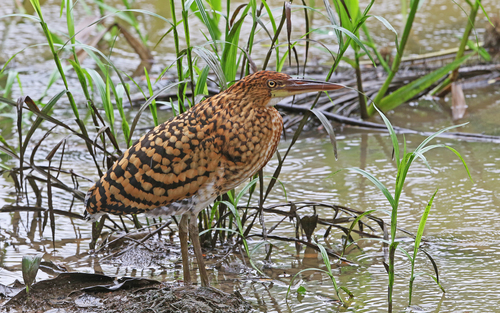 Rufescent Tiger-Heron
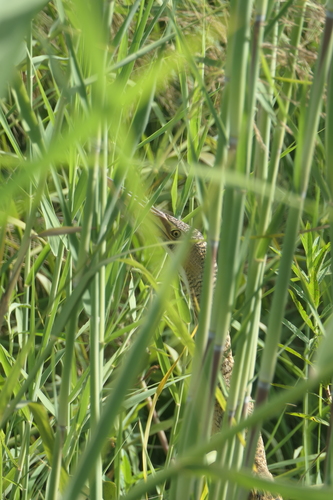 Pinnated Bittern
In breve
Il segno distintivo più affidabile per separare il giovane Rufescent Tiger-Heron dal Pinnated Bittern è la marcatura audace e grossolana nera e buffa sulle ali e sul corpo del tiger-heron, particolarmente evidente in volo o su giovani appollaiati. I Pinnated Bittern di tutte le età sono più cripticamente striati e mancano della marcatura pronunciata, mostrando invece un motivo più mescolato e striato e un'ala bicolore in volo a causa delle remiganti grigio ardesia. Gli adulti sono più facili: il Rufescent Tiger-Heron ha una testa e un collo rugginosi ricchi con una striscia bianca sul collo, mentre il Pinnated Bittern rimane complessivamente buffo e striato. Entrambi sono grandi e robusti aironi, ma sottili differenze nella struttura e nel comportamento possono aiutare quando il piumaggio è oscurato.
Consigli di identificazione
- Motivo delle ali e del corpo del giovane: Il giovane Rufescent Tiger-Heron mostra marcature audaci e grossolane nere e buffe sulle ali e sul corpo, particolarmente visibili in volo o quando è appollaiato. I giovani Pinnated Bittern sono più finemente striati e marcati, con un colore di fondo rugginoso-buffo ma mai la marcatura drammatica del tiger-heron.
- Motivo di volo negli immaturi: In volo, il Pinnated Bittern di tutte le età mostra un'ala bicolore a causa delle remiganti grigio ardesia che contrastano con il resto dell'ala. Il Rufescent Tiger-Heron manca di questo effetto bicolore.
- Colore della testa e del collo negli adulti: L'adulto Rufescent Tiger-Heron ha una testa, un collo e un petto rugginosi ricchi con una striscia bianca sul collo. Gli adulti Pinnated Bittern sono di colore buffo-marrone con pesanti striature e mancano di toni rugginosi o di strisce bianche audaci.
- Collo e gola: Entrambi hanno gole bianche, ma il collo del Rufescent Tiger-Heron ha una prominente striscia centrale bianca, mentre quello del Pinnated Bittern è ampiamente striato di marrone chiaro.
- Motivo dei fianchi e dell'addome: Gli adulti Rufescent Tiger-Heron hanno fianchi a strisce nere e bianche e un addome buffo-marrone, mentre il Pinnated Bittern è ampiamente striato di marrone chiaro sul petto e sull'addome.
- Colore della coda (adulti): I maschi di Pinnated Bittern hanno code nere, le femmine marroni; il Rufescent Tiger-Heron ha una coda nera strettamente striata di bianco, ma questo è raramente visibile sul campo.
- Becco e pelle facciale: Entrambi hanno becchi giallastri e pelle facciale gialla brillante, ma il Pinnated Bittern mostra una linea marrone attraverso le lore, che il Rufescent Tiger-Heron non ha.
- Colore delle gambe: Entrambe le specie hanno gambe giallo-verdi o verdi opache; non è un separatore forte.
- Comportamento: Il Pinnated Bittern è estremamente segreto, spesso congelandosi con il collo verticale e il corpo accovacciato, e si allontana solo a distanza ravvicinata. Il Rufescent Tiger-Heron può essere visto più apertamente ai margini dell'acqua.
- Contesto dell'habitat: Il Pinnated Bittern preferisce vegetazione densa e alta (canne, giunche), mentre il Rufescent Tiger-Heron è più spesso visto in zone umide aperte, ma entrambi possono sovrapporsi.
- Dimensioni e struttura: Entrambi sono grandi e robusti, con proporzioni simili. I maschi di Pinnated Bittern possono essere più pesanti, ma questo non è evidente sul campo.
- Differenze sessuali: Solo il Pinnated Bittern mostra dimorfismo sessuale nel colore della coda (maschi neri, femmine marroni), ma questo è sottile e raramente diagnostico a distanza.
- Progressione dell'età: Il Rufescent Tiger-Heron impiega fino a cinque anni per raggiungere il piumaggio adulto, quindi forti marcature possono persistere nei subadulti. Il piumaggio giovanile del Pinnated Bittern è meno drammaticamente diverso dagli adulti, principalmente un colore di fondo leggermente più rosso.
- Trappole del piumaggio: Non fare affidamento solo sul colore buffo complessivo o sulla dimensione; concentrati sulla presenza o assenza di marcature audaci e sull'ala bicolore in volo.
- Quando hai dubbi: Se vedi un grande airone striato e criptico in canne dense che si allontana solo a distanza ravvicinata e mostra un'ala bicolore, è probabile che sia un Pinnated Bittern. Se vedi forti marcature nere e buffe, specialmente sulle ali, o un adulto con testa rugginosa, è un Rufescent Tiger-Heron.
Taglia
Entrambe le specie sono grandi aironi con intervalli di dimensioni sovrapposti: il Rufescent Tiger-Heron misura 66–76 cm (26–30 in) e pesa 630–980 g, mentre il Pinnated Bittern è 64–76 cm (25–30 in) e 554–1,157 g. I maschi di Pinnated Bittern sono tipicamente più pesanti delle femmine, ma sul campo, la dimensione da sola non è un separatore affidabile. La struttura è simile: entrambi hanno becchi robusti e colli lunghi, ma il tiger-heron può apparire leggermente più compatto e con collo spesso quando è appollaiato.
Piumaggio
-
Uccelli giovani/immaturi: I giovani Rufescent Tiger-Heron sono di colore rugginoso-buffo con marcature nere grossolane e audaci su tutto il corpo e specialmente sulle ali, creando un aspetto a bande sorprendente. La gola, il petto centrale e l'addome sono bianchi. Questa forte marcatura è il segno distintivo chiave e persiste per diversi anni mentre l'uccello matura. I giovani Pinnated Bittern sono anch'essi buffi ma hanno un colore di fondo più rugginoso e sono pesantemente striati e marcati di nero, non a bande grossolane. Il loro motivo è più mescolato e criptico, mancando delle drammatiche bande alari del tiger-heron. In volo, il Pinnated Bittern mostra un'ala bicolore con remiganti grigio ardesia che contrastano con il resto dell'ala, mentre il Rufescent Tiger-Heron non ha questa caratteristica.
-
Adulti: L'adulto Rufescent Tiger-Heron è inconfondibile con una testa, un collo e un petto rugginosi scuri, una striscia bianca lungo il collo, parti superiori marroni con fini vermicolazioni nere e fianchi a strisce nere e bianche. La coda è nera, strettamente striata di bianco. Gli adulti Pinnated Bittern rimangono di colore buffo-marrone con pesanti striature e marcature, una gola bianca, un collo striato di marrone chiaro e un collo buffo con sottili striature nere. L'ala bicolore rimane una caratteristica in volo. I maschi hanno code nere, le femmine marroni.
-
Parti nude: Entrambi hanno becchi giallastri e iridi gialle brillanti e pelle facciale, ma il Pinnated Bittern mostra una linea marrone attraverso le lore, che il Rufescent Tiger-Heron non ha.
Comportamento
Il Pinnated Bittern è estremamente segreto, spesso congelandosi con il corpo accovacciato e il collo verticale quando allarmato, e si allontana solo a distanza ravvicinata. È per lo più notturno e tipicamente solitario, a volte radunandosi in modo lasco nei luoghi di alimentazione. Il Rufescent Tiger-Heron è anche timido ma può essere visto più facilmente ai margini dell'acqua o in zone umide aperte, spesso rimanendo immobile o muovendosi lentamente. Entrambe le specie possono essere difficili da individuare, ma il Pinnated Bittern è particolarmente elusivo a causa del suo comportamento criptico e della preferenza per la copertura densa.
Habitat
Entrambe le specie abitano zone umide d'acqua dolce in tutta l'America Centrale e Meridionale, ma il Pinnated Bittern è più strettamente legato a letti di canne densi, paludi di erba alta e fossati incolti, favorendo aree con giunchi alti, canne o tifa. Utilizza anche campi di riso e canna da zucchero. Il Rufescent Tiger-Heron si trova in una gamma più ampia di tipi di zone umide, comprese paludi aperte e paludi forestali. La sovrapposizione dell'habitat è significativa, quindi il contesto da solo è raramente diagnostico.
Rufescent Tiger-Heron · Pinnated Bittern · I miei uccelli difficili