

Voltapietre vs Piovanello comune
Arenaria interpres contro Calidris ferruginea
Fai un quiz con Voltapietre e Piovanello comune
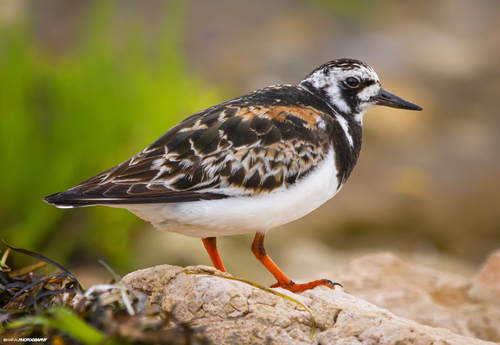 Voltapietre
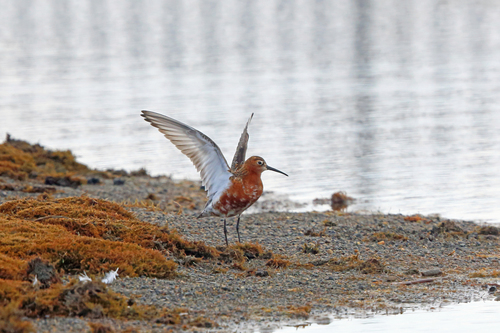 Piovanello comune
In breve
Il modo più affidabile per separare il Voltapietre dal Piovanello comune è la struttura generale e la forma del becco: il Voltapietre è un uccello tozzo, con zampe corte e un becco corto, a forma di cuneo, leggermente ricurvo, mentre il Piovanello comune è più snello, con zampe più lunghe e ha un becco distintamente lungo e ricurvo. In volo, entrambi mostrano segni bianchi sulle ali e un sottocoda bianco, ma la banda alare del Voltapietre è più audace e la sua coda ha bande scure, mentre il sottocoda del Piovanello comune è bianco più pulito e la sua striscia alare è più stretta. I giovani Voltapietre sembrano squamosi sopra, ma anche i giovani Piovanelli comuni, quindi concentrati sulla struttura e sul becco. Le zampe arancioni brillanti del Voltapietre e il piumaggio arlecchino sono unici tra i limicoli; il Piovanello comune è molto più semplice, specialmente nel piumaggio non riproduttivo. Queste differenze si mantengono a tutte le età, ma sono particolarmente chiare in un confronto diretto.
Consigli di identificazione
- Forma del becco: Il Voltapietre ha un becco corto, a forma di cuneo, leggermente ricurvo; il Piovanello comune ha un becco lungo, snello e distintamente ricurvo. Questo è il segno di campo più affidabile a tutte le età.
- Colore delle zampe: Il Voltapietre ha zampe arancioni brillanti in tutti i piumaggi; le zampe del Piovanello comune sono grigio scuro o nere. Questo è visibile quando gli uccelli sono in piedi o camminano.
- Struttura corporea: Il Voltapietre è compatto, tozzo e con zampe corte, spesso appare curvo; il Piovanello comune è snello, con zampe lunghe e sta più dritto.
- Schema di volo: In volo, il Voltapietre mostra una banda alare bianca audace, una macchia bianca alla base dell'ala, una parte bassa e un sottocoda bianchi, e una coda bianca con bande scure. Il Piovanello comune mostra un sottocoda bianco e una striscia alare bianca più stretta, ma manca delle forti bande scure sulla coda.
- Parte superiore dei giovani: Entrambi possono sembrare squamosi sopra, ma i giovani Voltapietre hanno una testa marrone chiaro e più contrasto; i giovani Piovanelli comuni sono più color sabbia e meno marcati, con una chiara sopracciglia bianca.
- Schema della testa: Il Voltapietre ha un schema della testa sorprendente nel piumaggio riproduttivo (bianco con maschera e strisce nere), e anche nel piumaggio non riproduttivo è più scuro e più decorato del Piovanello comune, che ha una testa grigio-marrone semplice con un sopracciglio bianco.
- Schema del petto: Il Voltapietre mostra sempre una banda nera sul petto (la più ampia nel piumaggio riproduttivo), mentre il Piovanello comune ha un petto semplice o, in riproduzione, ha parti inferiori uniformemente rossastre.
- Colore della parte superiore: Il Voltapietre in riproduzione è marrone-rossastro sopra con marcature nere; il Piovanello comune è rufoso sotto e più semplice sopra. Nel piumaggio non riproduttivo, il Voltapietre è grigio-marrone scuro con macchie nere; il Piovanello comune è grigio semplice sopra.
- Schema della coda: La coda del Voltapietre è bianca con bande scure distinte; la coda del Piovanello comune è per lo più bianca con ampie piume grigio chiaro e manca di bande scure forti.
- Comportamento di foraggiamento: Il Voltapietre ribalta pietre e detriti, spesso su coste rocciose; il Piovanello comune esplora fango o sabbia, raramente manipola oggetti.
- Habitat: Il Voltapietre preferisce coste rocciose o disseminate di detriti; il Piovanello comune preferisce fanghi e estuari sabbiosi.
- Dimensioni e jizz: Il Voltapietre è più massiccio e con zampe più corte; il Piovanello comune è più delicato e con zampe lunghe.
- Voce: Il richiamo del Voltapietre è un ronzio staccato, specialmente in stagione di riproduzione; il richiamo del Piovanello comune è più morbido e meno distintivo.
- Variazione di sesso e età: La femmina del Voltapietre è più opaca, ma ancora decorata; la femmina del Piovanello comune è meno rufosa nel piumaggio riproduttivo. Le differenze nei giovani sono sottili: struttura e becco rimangono i migliori indizi.
- Trappole: Entrambi i giovani possono sembrare squamosi sopra; controlla sempre la forma del becco, il colore delle zampe e la struttura corporea prima di fare affidamento sul piumaggio.
Taglia
Il Voltapietre è leggermente più grande e molto più massiccio: 22–24 cm di lunghezza, 85–150 g, con un'apertura alare di 50–57 cm [wikipedia]. Il Piovanello comune è più snello e leggero: 18–23 cm di lunghezza, 44–117 g, apertura alare 38–46 cm [wikipedia]. Sul campo, il Voltapietre appare compatto e robusto, il Piovanello comune più delicato ed allungato, specialmente su zampe e becco lunghi.
Piumaggio
- Giovane/Primo inverno: Entrambe le specie mostrano frange chiare sulle parti superiori, creando un aspetto squamoso. Tuttavia, i giovani Voltapietre hanno una testa marrone chiaro e un aspetto più contrastato e decorato, mentre i giovani Piovanelli comuni sono più color sabbia e meno contrastati, con una schiena più uniformemente squamosa e un sopracciglio bianco distinto.
- In volo (tutte le età): Il Voltapietre mostra una banda alare bianca audace, una macchia bianca alla base dell'ala, e una parte bassa, un sottocoda e una coda bianchi con bande scure vicino alla punta. Anche il Piovanello comune ha un sottocoda bianco e una striscia alare bianca, ma la coda è per lo più bianca con ampie piume grigio chiaro e manca delle forti bande scure del Voltapietre.
- Adulto in riproduzione: Il Voltapietre è sorprendentemente decorato con parti superiori marrone-rossastre, una testa bianca con strisce nere e maschera, e una banda nera sul petto. Il Piovanello comune nel piumaggio riproduttivo è per lo più rossastro sotto e sulla testa, con un ventre bianco e una schiena meno contrastata.
- Adulto non in riproduzione: Il Voltapietre diventa più opaco ma mantiene una testa e parti superiori scure e decorate con un po' di bianco; il Piovanello comune è grigio semplice sopra e bianco sotto, con un sopracciglio bianco e poco schema sulla testa.
- Differenze di sesso: La femmina del Voltapietre è leggermente più opaca e marrone rispetto al maschio; la femmina del Piovanello comune è meno intensamente rufosa nel piumaggio riproduttivo rispetto al maschio.
Comportamento
Il Voltapietre è spesso visto attivamente a ribaltare pietre, alghe o detriti per trovare cibo, usando il suo becco in vari modi (scuotendo, bulldozing, beccando, sondando, martellando). È audace e spesso foraggia in gruppi, mostrando a volte comportamenti aggressivi e dominanti. Il Piovanello comune si nutre sondando e raccogliendo nel fango o in acque poco profonde, muovendosi in modo più delicato e spesso in stormi con altri piccoli limicoli. Il foraggiamento del Voltapietre è più energico e coinvolge più manipolazione di oggetti; il Piovanello comune è più tipico dei piovanelli, sondando per invertebrati.
Habitat
Il Voltapietre si trova più spesso su coste rocciose o di ghiaia, moli e spiagge, specialmente dove ci sono detriti o alghe da ribaltare. Il Piovanello comune preferisce fanghi di marea, saline e estuari sabbiosi, avventurandosi raramente su coste rocciose. Se vedi un uccello su rocce o tra mucchi di alghe, è molto più probabile che sia un Voltapietre; su fango o sabbia aperti, specialmente con altri piccoli limicoli, il Piovanello comune è la norma.
Voce
Il Voltapietre ha un richiamo staccato e ronzante e un allerta chiacchierante, più spesso udito nella stagione di riproduzione. I richiami del Piovanello comune non sono descritti in dettaglio in queste note, ma sono generalmente più morbidi e meno ronzanti rispetto al Voltapietre. In stormi misti, il richiamo del Voltapietre è più probabile che si faccia notare.