

Ruddy Kingfisher vs Black-capped Kingfisher
Halcyon coromanda contro Halcyon pileata
Fai un quiz con Ruddy Kingfisher e Black-capped Kingfisher
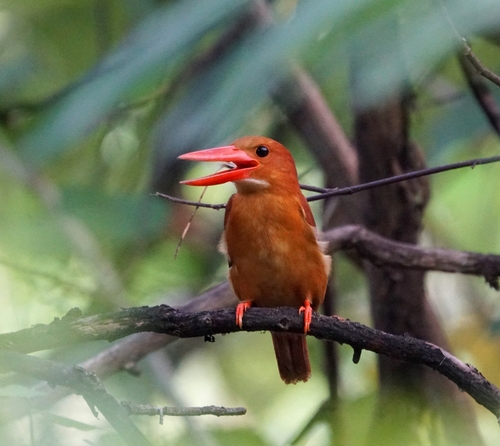 Ruddy Kingfisher
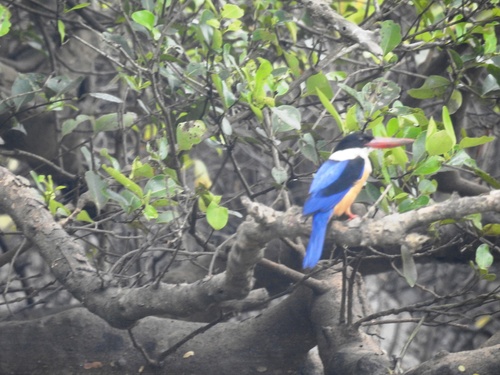 Black-capped Kingfisher
In breve
Il segno di campo più affidabile per separare il Ruddy Kingfisher dal Black-capped Kingfisher è il colore della testa e delle ali: il Black-capped Kingfisher mostra sempre un cappello nero sorprendente e ali blu-porpora con grandi macchie bianche in volo, mentre il Ruddy Kingfisher è completamente rosso ruggine a porpora senza nero o blu da nessuna parte. Entrambi hanno grandi becchi e zampe rosse, ma solo il Black-capped ha una gola e un collare bianchi che contrastano con la sua testa scura. I giovani Black-capped Kingfishers sono più opachi e mostrano striature sulla gola, ma mantengono comunque il cappello nero e le ali blu. L'habitat può aiutare: il Ruddy preferisce foreste dense, il Black-capped si trova di solito in mangrovie o aree costiere aperte. Se vedi un martin pescatore con un cappello nero o ali blu, non è un Ruddy.
Consigli di identificazione
- Il colore della testa è decisivo: Il Black-capped Kingfisher ha sempre un cappello e una nuca neri, in netto contrasto con una gola e un collare bianchi. Il Ruddy Kingfisher è completamente rosso ruggine a porpora, senza nero o bianco sulla testa o sulla gola a qualsiasi età.
- Colore delle ali e modello di volo: Il Black-capped Kingfisher mostra ali e dorso blu-porpora, con grandi macchie bianche ('specchi') alla base delle primarie visibili in volo. Le ali e il dorso del Ruddy Kingfisher sono dello stesso rosso ruggine del resto del corpo, senza macchie blu o bianche.
- Becco e zampe: Entrambe le specie hanno grandi becchi e zampe rosso brillante. Questo non è un segno utile per la separazione.
- Parte inferiore: Entrambi hanno parti inferiori rugginose, ma solo il Black-capped ha una transizione netta dalla gola bianca al ventre rugginoso. Il Ruddy è uniformemente rosso ruggine sotto, senza bianco.
- Segni giovanili: I giovani Black-capped Kingfishers sono più opachi e mostrano striature sulla gola, ma mantengono il cappello nero e le ali blu con macchie bianche. I giovani Ruddy Kingfisher non sono ben descritti ma non si sa che mostrino mai nero, blu o bianco.
- Coda e dorso: Il Black-capped ha un dorso e una coda blu-porpora, in contrasto con il ventre rugginoso. Il Ruddy è rosso ruggine a porpora ovunque, con la coda a volte di un viola più profondo ma mai blu.
- Postura in perching: Il Black-capped spesso si posa apertamente in mangrovie o su fili, a volte lontano dalla copertura densa. Il Ruddy è molto più riservato e di solito rimane nascosto nella foresta.
- Indizi sull'habitat: Il Ruddy è quasi sempre in foreste dense, raramente in aree aperte o costiere. Il Black-capped è tipico delle mangrovie, degli estuari e delle foreste costiere aperte, ma può vagare nell'entroterra.
- Voce: Il Ruddy emette un fischio alto e discendente; il Black-capped emette un forte e cackling 'ki-ki-ki-ki-ki'. Se senti un richiamo cackling, pensa al Black-capped.
- Sesso e variazione stagionale: Entrambe le specie mostrano poco dimorfismo sessuale. I maschi Ruddy possono essere leggermente più brillanti, ma questo non è affidabile. Nessun forte cambiamento del piumaggio stagionale in nessuna delle due specie.
- Dimensioni: Il Black-capped è leggermente più grande (28 cm contro 25 cm), ma questo è raramente utile a meno che gli uccelli non siano affiancati.
- Contesto comportamentale: Se l'uccello è timido, rimane in copertura profonda e viene solo intravisto o sentito, sospetta il Ruddy. Se è audace, si posa in modo aperto, specialmente nelle mangrovie, sospetta il Black-capped.
- Stile di volo: Il Black-capped ha un volo rapido e diretto con ali arrotondate e fruscianti e lampi di macchie bianche sulle ali. Il volo del Ruddy è meno descritto ma manca dei lampi bianchi sulle ali.
- Trappole comuni: Non fare affidamento sul colore del becco o delle zampe, poiché entrambi sono rossi. L'illuminazione può far sembrare il blu del Black-capped scuro, ma il cappello nero e la gola bianca rimangono ovvi. I giovani Black-capped possono sembrare opachi, ma non perdono mai il cappello nero o le ali blu.
- Sovrapposizione geografica: Entrambe le specie possono verificarsi in aree sovrapposte in Asia, quindi controlla sempre il colore della testa e delle ali, non solo la posizione.
Taglia
Il Black-capped Kingfisher è leggermente più grande, con una lunghezza media di circa 28 cm, rispetto ai 25 cm del Ruddy Kingfisher. Entrambi sono martin pescatori robusti e con un grande becco, e la dimensione da sola è raramente diagnostica sul campo a meno che gli uccelli non siano affiancati. Entrambi hanno grandi becchi e zampe rosso brillante.
Piumaggio
- Uccelli giovani/imaturi: I giovani Black-capped Kingfisher sono più opachi degli adulti e mostrano striature sulla gola, ma hanno comunque un cappello nero e ali blu con macchie bianche in volo. I giovani Ruddy Kingfisher non sono descritti in dettaglio, ma non ci sono prove che suggeriscano che mostrino mai un cappello nero, ali blu o macchie bianche sulle ali; sono complessivamente rosso ruggine a porpora.
- Adulti: Il Ruddy Kingfisher è completamente rosso ruggine, che si approfondisce a porpora nella coda, senza bianco o blu da nessuna parte. Gli adulti del Black-capped Kingfisher hanno un cappello e una nuca neri, gola e collare del collo bianchi, ali e dorso blu-porpora, parti inferiori rugginose e spiccate macchie bianche sulle ali visibili in volo. Il becco e le zampe sono di un rosso brillante in entrambe le specie. I sessi sono simili in entrambe, anche se i maschi Ruddy possono essere leggermente più brillanti.
Comportamento
Il Ruddy Kingfisher è timido, spesso sentito piuttosto che visto, e preferisce rimanere nascosto in foreste dense, di solito da solo o in coppie. Il Black-capped Kingfisher è più appariscente, spesso posandosi apertamente in mangrovie o su fili, ed è facilmente spaventato. Entrambi cacciano tuffandosi, principalmente per pesci e grandi insetti, ma il Black-capped è più probabile da vedere in habitat aperti o costieri, mentre il Ruddy è uno specialista della foresta.
Habitat
Il Ruddy Kingfisher è un uccello delle foreste dense, comprese giungle fitte e foreste pluviali, da zone temperate a tropicali. È raramente visto al di fuori di una copertura pesante. Il Black-capped Kingfisher si trova più spesso vicino alle coste, specialmente in mangrovie, estuari e lungo i fiumi, ma può anche apparire nell'entroterra, specialmente in inverno o dopo la pioggia. Se trovi un martin pescatore in una foresta profonda, è più probabile che sia un Ruddy; se in mangrovie o aree costiere aperte, è molto più probabile che sia un Black-capped.
Voce
Il Ruddy Kingfisher emette un richiamo alto e discendente, spesso sentito in foreste dense. Il Black-capped Kingfisher ha un richiamo cackling 'ki-ki-ki-ki-ki', che è più forte e più ronzante. I richiami sono abbastanza diversi, ma entrambe le specie sono spesso rilevate dalla voce prima di essere viste.
Ruddy Kingfisher · Black-capped Kingfisher · I miei uccelli difficili