

Rudd's Lark vs Eastern Clapper Lark
Heteromirafra ruddi contro Corypha fasciolata
Fai un quiz con Rudd's Lark e Eastern Clapper Lark
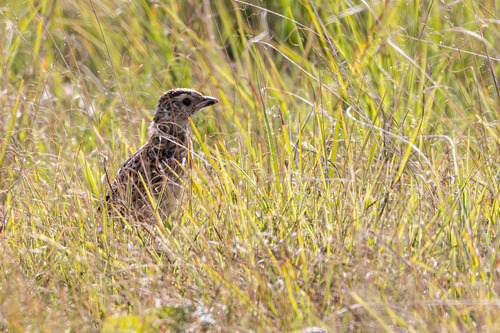 Rudd's Lark
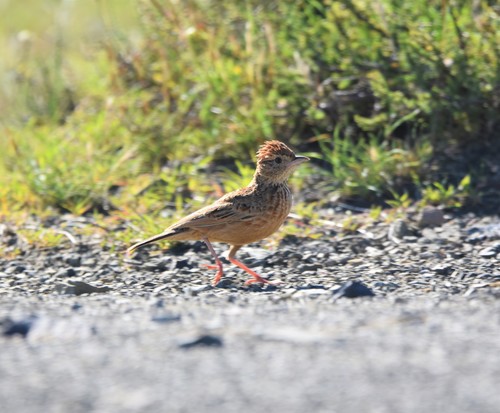 Eastern Clapper Lark
In breve
Il miglior segno di campo per separare Rudd's Lark da Eastern Clapper Lark è il volo di display distintivo di quest'ultimo, che presenta forti battiti d'ali e una discesa in paracadute—un comportamento che Rudd's Lark non mostra. Nel piumaggio, Eastern Clapper Lark si distingue per il suo ricco ventre ruggine e una parte superiore marrone (a volte più grigia), mentre Rudd's Lark è più uniformemente marrone e adattato a praterie ad alta quota. Strutturalmente, Eastern Clapper Lark ha un becco robusto e un corpo leggermente più lungo. L'habitat è anche un forte indizio: Rudd's Lark è limitato alle praterie ad alta quota in Sudafrica, mentre Eastern Clapper Lark preferisce terreni asciutti e aperti ed è più diffuso nell'Africa meridionale.
Consigli di identificazione
- Display flight: Eastern Clapper Lark esegue un display drammatico con rapidi battiti d'ali e una discesa in paracadute con le gambe penzolanti—se visto, questo è diagnostico e esclude Rudd's Lark (tutte le età/stagioni).
- Underparts color: Eastern Clapper Lark mostra un ventre ruggine ricco, specialmente in buona luce; Rudd's Lark è più uniformemente marrone sotto (adulti e immaturi).
- Upperparts tone: Eastern Clapper Lark ha una parte superiore marrone, a volte più grigia a nord; Rudd's Lark è più costantemente marrone e meno contrastante nel complesso.
- Bill structure: Eastern Clapper Lark ha un becco forte e prominente, che può essere un utile indizio strutturale se visto bene; il becco di Rudd's Lark è meno robusto.
- Crown color: Eastern Clapper Lark ha una corona marrone; questa è meno distintiva in Rudd's Lark, che è più uniformemente colorato.
- Habitat: Rudd's Lark è limitato alle praterie ad alta quota in Sudafrica—se ti trovi in questo habitat, considera prima Rudd's. Eastern Clapper Lark preferisce terreni asciutti e aperti ed è più diffuso.
- Behavior on ground: Entrambe le specie si nutrono a terra, ma Eastern Clapper Lark è più probabile che venga visto muoversi furtivamente e solitario, specialmente al di fuori del periodo di display.
- Vocalization: Se senti un richiamo ascendente 'pooooeeeee', specialmente durante un volo di display, è Eastern Clapper Lark. Le vocalizzazioni di Rudd's Lark non sono descritte qui.
- Flight style: Al di fuori del display, lo stile di volo può essere simile, ma l'assenza di battiti d'ali e paracadutismo dovrebbe farti essere cauto nel rivendicare Eastern Clapper Lark.
- Local abundance: Eastern Clapper Lark è più diffuso e potrebbe essere più comune in habitat asciutti adatti; Rudd's Lark è locale e raro, quindi il contesto è importante.
- Plumage pitfalls: In scarsa luce o a distanza, il ventre ruggine di Eastern Clapper Lark potrebbe essere difficile da vedere—cerca il becco forte e il comportamento di display.
- Age/season: Non sono notate differenze specifiche nel pattern delle ali per i giovani o immaturi, quindi fai affidamento sul tono generale, sulla struttura e soprattutto sul comportamento e sull'habitat per i giovani uccelli.
- Group size: Entrambe le specie generalmente non sono gregarie, quindi il radunarsi non è un separatore utile.
- Sex differences: Non è descritto dimorfismo sessuale per nessuna delle due specie nelle note.
- When in doubt: Se non riesci a vedere bene il ventre e non c'è display, usa l'habitat e la struttura del becco come i tuoi principali indizi.
Taglia
Eastern Clapper Lark è lungo circa 15 cm ed è descritto come un piccolo passeriforme. Non ci sono dati diretti sulle dimensioni di Rudd's Lark nelle note fornite, ma entrambi sono piccoli allodole e probabilmente simili in dimensioni. Il forte becco di Eastern Clapper Lark potrebbe farlo apparire leggermente più robusto nella testa, ma la dimensione da sola non è un separatore affidabile sul campo.
Piumaggio
Eastern Clapper Lark è notevole per il suo ventre ruggine ricco e la corona marrone, con parti superiori marroni che possono apparire più grigie nella parte settentrionale del suo areale. Il suo piumaggio è generalmente più caldo e contrastante rispetto a Rudd's Lark. Rudd's Lark, al contrario, è più uniformemente marrone e manca dei forti toni ruggine sotto. Non sono descritte differenze specifiche nel pattern delle ali o delle ali superiori per nessuna delle due specie nelle note, quindi gli uccelli giovani e immaturi sono probabilmente separati meglio dal tono generale e dal contesto dell'habitat piuttosto che da un pattern dettagliato delle ali. Il forte becco di Eastern Clapper Lark è anche un utile indizio strutturale.
Comportamento
Eastern Clapper Lark è famoso per il suo volo di display: sale con rapidi battiti d'ali (spesso producendo un suono di battito), poi scende in paracadute con le gambe penzolanti. Questo comportamento è diagnostico e non mostrato da Rudd's Lark. Quando non è in display, Eastern Clapper Lark si muove furtivamente e solitario, nutrendosi a terra. Rudd's Lark è anche un abitante del suolo ma è associato a praterie ad alta quota e non esegue display con battiti d'ali.
Habitat
Rudd's Lark è endemico delle praterie ad alta quota del Sudafrica e non si trova in habitat più asciutti e aperti. Eastern Clapper Lark, al contrario, preferisce terreni asciutti e aperti ed è più diffuso in tutta l'Africa meridionale. Se l'uccello viene visto in una prateria ad alta quota, è più probabile che sia Rudd's Lark; in aree asciutte e aperte, specialmente a basse altitudini, Eastern Clapper Lark è la scelta migliore.
Voce
Eastern Clapper Lark ha un richiamo ascendente distintivo descritto come 'pooooeeeee', spesso emesso durante il suo volo di display. Non sono fornite informazioni sulle vocalizzazioni di Rudd's Lark nelle note, quindi la voce è solo un separatore se viene udito il richiamo di display.
Rudd's Lark · Eastern Clapper Lark · I miei uccelli difficili