

Coturnice vs Tuffetto
Alectoris graeca contro Tachybaptus ruficollis
Fai un quiz con Coturnice e Tuffetto
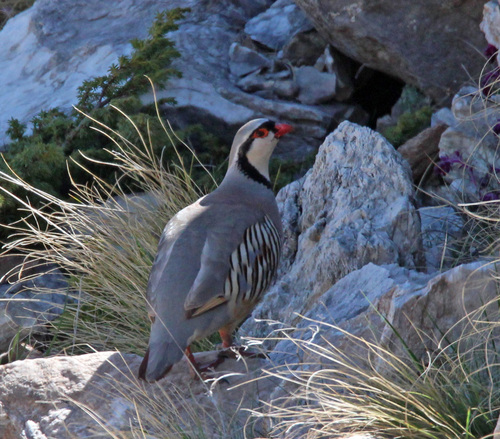 Coturnice
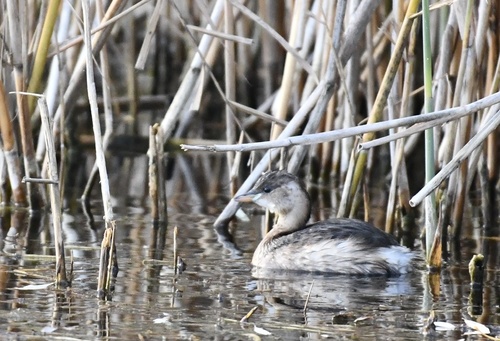 Tuffetto
In breve
Il modo più affidabile per separare la Coturnice dal Tuffetto è attraverso la struttura generale e l'habitat: la Coturnice è un uccello da caccia terrestre pesante e rotondo con un becco corto e zampe rosse, mentre il Tuffetto è un piccolo uccello acquatico con un becco appuntito e si trova basso nell'acqua. I Tuffetti giovani mostrano strisce bianche e nere sul viso e sul collo, che non sono mai presenti nella Coturnice di alcuna età. In volo, la Coturnice ha ali arrotondate e preferisce correre piuttosto che volare, mentre il Tuffetto è raramente visto volare ed è quasi sempre sull'acqua. Il piumaggio, la forma del becco e il colore delle zampe sono tutti utili, ma il contesto e il comportamento sono spesso gli indizi più rapidi.
Consigli di identificazione
- Schema del viso giovanile: Il Tuffetto giovane ha strisce bianche e nere sulle guance e sul collo, e un becco giallo con una punta nera—mai visto nella Coturnice di alcuna età.
- Forma del becco: La Coturnice ha un becco corto e robusto adatto a semi e vegetazione; il Tuffetto ha un becco appuntito e snello adattato per catturare prede acquatiche.
- Colore delle zampe: La Coturnice ha zampe rosse, visibili quando cammina o corre; le zampe del Tuffetto non sono di solito visibili, ma non sono rosse.
- Gorgiera e viso: La Coturnice ha una gorgiera nera ben definita su un viso bianco; il Tuffetto non mostra mai una gorgiera o un viso bianco.
- Schema dei fianchi: La Coturnice mostra strisce rugginose sui fianchi; i fianchi del Tuffetto sono semplici, con ruggine solo nel piumaggio nuziale e mai striati.
- Colore del collo e delle guance: Il Tuffetto in riproduzione ha un ricco ruggine sul collo e sulle guance, ma questo non è ben definito come la gorgiera della coturnice; nel piumaggio non riproduttivo, il tuffetto è color sabbia e semplice.
- Forma del corpo e postura: La Coturnice è rotonda e eretta, spesso vista in piedi o correndo sulla terra; il Tuffetto è compatto, si trova basso nell'acqua e raramente sta eretto.
- Comportamento in volo: La Coturnice preferisce correre ma volerà brevi distanze su ali arrotondate se disturbata; il Tuffetto è raramente visto in volo, e se lo è, di solito vola basso sopra l'acqua.
- Contesto dell'habitat: Gli uccelli visti sull'acqua sono quasi certamente Tuffetti; quelli su terreni rocciosi o pendii sono Coturnici.
- Vocalizzazioni: Ascolta il forte e ripetitivo richiamo 'chakera' della coturnice rispetto al 'weet-weet-weet' trillato del tuffetto.
- Forma della parte posteriore: In inverno, il Tuffetto mostra una parte posteriore 'a nuvola di polvere' sull'acqua, un aspetto mai eguagliato dalla coturnice.
- Impressione di dimensione: La Coturnice è molto più grande e pesante del Tuffetto; anche a distanza, la coturnice appare più robusta.
- Visibilità delle zampe: Se vedi lunghe zampe rosse, è una coturnice; le zampe del tuffetto sono corte e posizionate lontano, raramente visibili.
- Comportamento di foraggiamento: La Coturnice becca il terreno per semi; il Tuffetto tuffa per prede acquatiche.
- Trappole stagionali: Nella stagione non riproduttiva, il Tuffetto perde il suo collo rugginoso e diventa più semplice, ma manca ancora del modello facciale e delle abitudini terrestri della coturnice.
Taglia
La Coturnice è molto più grande e pesante (massa corporea di circa 632,5 g) rispetto al molto più piccolo Tuffetto (nessuna massa diretta fornita, ma tutti i tuffetti sono molto più leggeri delle coturnici). La coturnice è robusta e rotonda, mentre il tuffetto è compatto e si trova basso nell'acqua, apparendo quasi come una 'nuvola di polvere' galleggiante in inverno. Anche a distanza, la massa e la postura della Coturnice sono molto diverse dall'aspetto delicato e galleggiante del Tuffetto.
Piumaggio
I Tuffetti giovani sono distintivi con strisce bianche e nere sulle guance e sui lati del collo, e un becco giallo con una punta nera; queste caratteristiche svaniscono con l'età, con il becco che diventa nero negli adulti. I giovani e gli adulti della Coturnice non mostrano mai tali striature facciali o becchi gialli. L'adulto della Coturnice ha un dorso marrone chiaro, un petto grigio, un ventre color sabbia e una gorgiera nera ben definita su un viso bianco, con fianchi striati di ruggine e zampe rosse. Gli adulti del Tuffetto in piumaggio nuziale sono scuri sopra con un ricco ruggine sul collo, sulle guance e sui fianchi, e una bocca gialla brillante; nel piumaggio non riproduttivo e giovanile, sono color sabbia con un dorso e un cappuccio più scuri. Il tuffetto non mostra mai la gorgiera nera della coturnice o i fianchi striati. In volo, la Coturnice mostra ali arrotondate ed è riluttante a volare, mentre il modello dell'ala superiore del Tuffetto non è descritto ma è raramente visto in volo.
Comportamento
La Coturnice è un uccello terrestre, preferendo correre quando disturbata e volare solo brevi distanze se necessario. È quasi sempre vista a terra, spesso in terreni rocciosi o cespugliosi. Il Tuffetto, al contrario, è una specie acquatica, trascorrendo quasi tutto il suo tempo sull'acqua, tuffandosi frequentemente e raramente venendo a terra tranne che al nido. Il suo comportamento riguarda più tuffi rapidi e nuoto che corsa o camminata.
Habitat
La Coturnice è nativa dell'Europa meridionale e si trova in pendii rocciosi, cespugli e campi aperti, sempre sulla terra. Il Tuffetto è un uccello acquatico, trovato su laghi, stagni e fiumi lenti. Se l'uccello è su acqua aperta, è quasi certamente un Tuffetto; se su terra asciutta o pendii rocciosi, è una Coturnice.
Voce
La Coturnice emette un richiamo rumoroso e ripetuto 'ga-ga-ga-ga-chakera-chakera-chakera', che è forte e distintivo. Il richiamo di corteggiamento del Tuffetto è un 'weet-weet-weet' trillato e ripetuto o 'wee-wee-wee', che ricorda il nitrito di un cavallo. I richiami sono molto diversi e diagnostici se ascoltati bene.