

Perdiz Griega vs Zampullín Común
Alectoris graeca frente a Tachybaptus ruficollis
Juega un quiz con Perdiz Griega y Zampullín Común
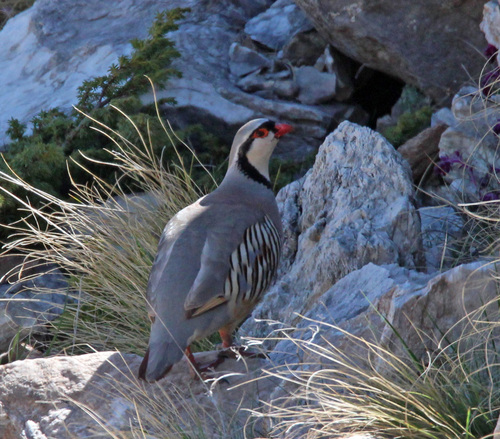 Perdiz Griega
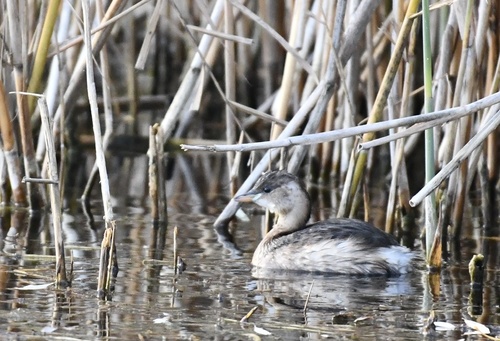 Zampullín Común
En breve
La forma más confiable de separar la Perdiz Griega del Zampullín Común es por su estructura general y hábitat: la Perdiz Griega es un ave de caza terrestre pesada y redonda con un pico corto y patas rojas, mientras que el Zampullín Común es un ave acuática pequeña con un pico puntiagudo y se sienta bajo en el agua. Los Zampullines Comunes juveniles muestran rayas en blanco y negro en la cara y el cuello, que nunca están presentes en la Perdiz Griega de ninguna edad. En vuelo, la Perdiz Griega tiene alas redondeadas y prefiere correr en lugar de volar, mientras que el Zampullín Común rara vez se ve volando y casi siempre está en el agua. El plumaje, la forma del pico y el color de las patas son útiles, pero el contexto y el comportamiento son a menudo las pistas más rápidas.
Consejos de identificación
- Patrón facial juvenil: El Zampullín Común juvenil tiene rayas en blanco y negro en las mejillas y el cuello, y un pico amarillo con punta negra—nunca visto en la Perdiz Griega de ninguna edad.
- Forma del pico: La Perdiz Griega tiene un pico corto y robusto adecuado para semillas y vegetación; el Zampullín Común tiene un pico puntiagudo y delgado adaptado para atrapar presas acuáticas.
- Color de las patas: La Perdiz Griega tiene patas rojas, visibles al caminar o correr; las patas del Zampullín Común no son generalmente visibles, pero no son rojas.
- Gorget y cara: La Perdiz Griega tiene un gorget negro bien definido en una cara blanca; el Zampullín Común nunca muestra un gorget o cara blanca.
- Patrón de flancos: La Perdiz Griega muestra rayas rufo en los flancos; los flancos del Zampullín Común son lisos, con rufo solo en plumaje de cría y nunca rayados.
- Color del cuello y mejillas: El Zampullín Común en cría tiene un rico rufo en el cuello y mejillas, pero esto no está bien definido como el gorget de la perdiz; en plumaje no reproductivo, el zampullín es de color beige y liso.
- Forma del cuerpo y postura: La Perdiz Griega es rotunda y erguida, a menudo vista de pie o corriendo en tierra; el Zampullín Común es compacto, se sienta bajo en el agua y rara vez se mantiene erguido.
- Comportamiento de vuelo: La Perdiz Griega prefiere correr pero volará distancias cortas con alas redondeadas si se asusta; el Zampullín Común rara vez se ve en vuelo, y si lo hace, generalmente vuela bajo sobre el agua.
- Contexto de hábitat: Las aves vistas en el agua son casi con certeza Zampullines Comunes; las que están en terreno rocoso o laderas son Perdices Griegas.
- Vocalizaciones: Escucha el fuerte, repetitivo llamado 'chakera' de la perdiz frente al trino, relinchante 'weet-weet-weet' del zampullín.
- Forma de la parte trasera: En invierno, el Zampullín Común muestra una parte trasera de 'nube de polvo' en el agua, una apariencia que nunca iguala la perdiz.
- Impresión de tamaño: La Perdiz Griega es mucho más grande y pesada que el Zampullín Común; incluso a distancia, la perdiz se ve más robusta.
- Visibilidad de las patas: Si ves patas largas y rojas, es una perdiz; las patas del zampullín son cortas y están muy atrás, rara vez visibles.
- Comportamiento de forrajeo: La Perdiz Griega picotea el suelo en busca de semillas; el Zampullín Común se zambulle por presas acuáticas.
- Trampas estacionales: En la temporada no reproductiva, el Zampullín Común pierde su cuello rufo y se vuelve más simple, pero aún carece del patrón facial y hábitos terrestres de la perdiz.
Tamaño
La Perdiz Griega es mucho más grande y pesada (masa corporal alrededor de 632.5 g) en comparación con el mucho más pequeño Zampullín Común (no se da masa directa, pero todos los zampullines son mucho más ligeros que las perdices). La perdiz es robusta y rotunda, mientras que el zampullín es compacto y se sienta bajo en el agua, apareciendo casi como una 'nube de polvo' flotante en invierno. Incluso a distancia, la masa y postura de la Perdiz Griega son muy diferentes de la apariencia delicada y boyante del Zampullín Común.
Plumaje
Los Zampullines Comunes juveniles son distintivos con rayas en blanco y negro en las mejillas y los lados del cuello, y un pico amarillo con punta negra; estas características se desvanecen a medida que envejecen, con el pico volviéndose negro en los adultos. Los juveniles y adultos de la Perdiz Griega nunca muestran tales rayas faciales o picos amarillos. La Perdiz Griega adulta tiene un dorso marrón claro, pecho gris, vientre beige y un gorget negro bien definido en una cara blanca, con flancos rayados de rufo y patas rojas. Los adultos de Zampullín Común en plumaje de cría son oscuros por encima con rico rufo en el cuello, mejillas y flancos, y una abertura amarilla brillante; en plumaje no reproductivo y juvenil, son beige con un dorso y gorra más oscuros. El zampullín nunca muestra el gorget negro de la perdiz o los flancos rayados. En vuelo, la Perdiz Griega muestra alas redondeadas y es reacia a volar, mientras que el patrón del ala superior del Zampullín Común no se describe pero rara vez se ve en vuelo.
Comportamiento
La Perdiz Griega es un ave terrestre, prefiriendo correr cuando se siente perturbada y solo volando distancias cortas si es necesario. Se ve casi siempre en el suelo, a menudo en terrenos rocosos o arbustivos. El Zampullín Común, en contraste, es una especie acuática, pasando casi todo su tiempo en el agua, zambulléndose con frecuencia y rara vez llegando a tierra excepto en el nido. Su comportamiento se centra más en zambullidas rápidas y natación que en correr o caminar.
Hábitat
La Perdiz Griega es nativa del sur de Europa y se encuentra en laderas rocosas, matorrales y campos abiertos, siempre en tierra. El Zampullín Común es un ave acuática, encontrada en lagos, estanques y ríos lentos. Si el ave está en agua abierta, es casi con certeza un Zampullín Común; si está en tierra seca o laderas rocosas, es una Perdiz Griega.
Voz
La Perdiz Griega emite un llamado ruidoso y repetido 'ga-ga-ga-ga-chakera-chakera-chakera', que es fuerte y distintivo. El llamado de cría del Zampullín Común es un trino, repetido 'weet-weet-weet' o 'wee-wee-wee', que recuerda a un relincho de caballo. Los llamados son muy diferentes y diagnósticos si se escuchan bien.