

Roadside Hawk vs Blue-headed Parrot
Rupornis magnirostris contro Pionus menstruus
Fai un quiz con Roadside Hawk e Blue-headed Parrot
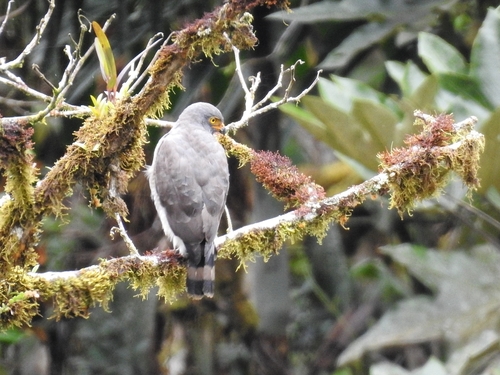 Roadside Hawk
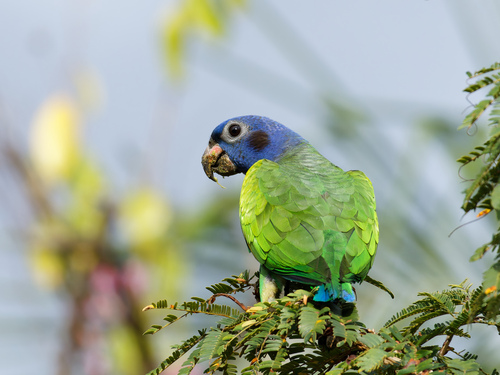 Blue-headed Parrot
In breve
Il segno distintivo più affidabile è la testa blu e le copritail rosse del Blue-headed Parrot, che non sono mai mostrati dal Roadside Hawk di alcuna età. In volo, il Roadside Hawk (tutte le età) mostra una lunga coda a bande e ali corte e larghe con possibili toni rufous, mentre il Blue-headed Parrot ha un corpo verde compatto e una testa blu, senza barre sulle parti inferiori o sulla coda. Il Roadside Hawk è un rapace piccolo e snello con un becco ricurvo e occhi gialli o bianchi, spesso visto posato in posizione eretta o in volo; il pappagallo è un uccello massiccio e dalla coda corta con un becco ottuso e curvo e occhi scuri, di solito in stormi e spesso rumoroso. Entrambi sono comuni nei loro territori, ma le loro forme, stili di volo e colorazioni sono così diverse che la confusione è più probabile a distanza o in scarsa luce.
Consigli di identificazione
- Colore della testa: Il Blue-headed Parrot ha sempre una testa, un collo e un petto superiore blu brillante (meno blu nei giovani), mai mostrato dal Roadside Hawk.
- Copritail: Il pappagallo mostra copritail rosse, un segno unico visibile quando è posato o in volo. Il Roadside Hawk non mostra mai questo.
- Schema della coda: Il Roadside Hawk (tutte le età) ha una lunga coda con 4–5 barre grigie distinte; la coda del pappagallo è corta, verde e senza barre.
- Parti inferiori: Il Roadside Hawk è barrato marrone e bianco sotto; il Blue-headed Parrot è verde uniforme sotto senza barre.
- Forma del becco: L'hawk ha un becco ricurvo, relativamente lungo; il becco del pappagallo è corto, profondo e ottuso con una mandibola superiore scura e lati rossastri.
- Colore degli occhi: L'adulto Roadside Hawk ha occhi gialli o bianchi; gli occhi del pappagallo sono scuri.
- Colore delle ali in volo: Il Roadside Hawk può mostrare toni rufous nelle ali (soprattutto in volo); le ali del pappagallo sono verdi con un po' di giallo sulle copritail.
- Stile di volo: L'hawk vola o plana con battiti d'ali lenti e profondi e una lunga coda che segue; il pappagallo vola con battiti d'ali rapidi e diretti, spesso in stormi.
- Postura posata: L'hawk si posa in posizione eretta, spesso esposto; il pappagallo si siede più orizzontalmente, spesso in gruppi.
- Vocalizzazioni: L'hawk emette un fischio acuto e penetrante; il pappagallo è molto più rumoroso, con ripetuti richiami 'sweenk' squittenti, specialmente in stormi.
- Pappagallo giovane: Può avere meno blu sulla testa e un po' di rosso/rosa attorno al cere, ma è ancora verde e mai barrato sotto o sulla coda.
- Hawk giovane: Simile all'adulto ma può essere più chiaro sotto; mostra sempre una coda a bande e mai piumaggio blu o rosso.
- Contesto dell'habitat: L'hawk è spesso solo o in coppie, posato in aperto, a volte lungo le strade; il pappagallo è di solito in stormi rumorosi, specialmente sugli alberi da frutto o nei luoghi di riposo.
- Comportamento alimentare: L'hawk caccia piccoli animali da posatoi o in volo; il pappagallo si nutre di frutta e semi, spesso nella chioma degli alberi.
- Rischio di confusione: A distanza, un hawk posato può sembrare verdastro in forte luce o ombra, ma la forma (coda lunga, postura eretta) e la mancanza di blu/rosso escludono rapidamente il pappagallo. In volo, la coda a bande dell'hawk e i toni rufous delle ali non sono mai eguagliati dal pappagallo.
Taglia
Roadside Hawk is slightly larger and heavier (31–41 cm, 250–300 g) than Blue-headed Parrot (about 27–28 cm, 245 g), but the difference is subtle and not always apparent in the field, especially if seen separately. The hawk appears longer and slimmer, with a proportionally longer tail and shorter wings, while the parrot is more compact and chunky, with a short tail and broad wings. Sexes are similar in both, though female hawks are larger than males by about 20%.
Piumaggio
- Segni giovanili/immaturi: Nessun schema specifico per l'età nelle ali superiori o nella coda del Blue-headed Parrot; i giovani sono più opachi con meno blu sulla testa e un po' di rosso/rosa attorno al cere, ma ancora verdi nel complesso. I giovani del Roadside Hawk somigliano agli adulti ma possono essere più chiari o meno distintamente barrati sotto, mostrando comunque la coda a bande e possibili toni rufous nelle ali in volo.
- Adulti: Il Roadside Hawk è marrone o grigio sopra, con parti inferiori barrate marrone e bianco e una coda con 4–5 barre grigie. In volo, cerca toni rufous nelle ali e una lunga coda a bande. Gli occhi sono gialli o bianchi. Il Blue-headed Parrot è verde nel complesso con una testa blu brillante, collo e petto superiore, copritail rosse e un po' di giallo sulle copritail delle ali. Il becco è scuro con lati rossastri, e la macchia auricolare è scura. Nessuna barra sulle parti inferiori o sulla coda. Entrambi i sessi sembrano simili in entrambe le specie.
- Volo: La lunga coda e le ali corte e larghe del Roadside Hawk contrastano con la coda corta e le ali larghe e arrotondate del pappagallo. La testa blu del pappagallo è visibile anche in volo, specialmente in buona luce.
Comportamento
Il Roadside Hawk è spesso visto posato in posizione eretta su rami esposti, fili o pali, a scrutare la preda, o planando con battiti d'ali lenti e deliberati. Raramente sospende il volo. Il Blue-headed Parrot è di solito in stormi rumorosi, volando direttamente con battiti d'ali rapidi, spesso visto mentre si sposta verso o da luoghi di riposo comuni. I pappagalli sono molto più sociali e vocali, mentre l'hawk è solitamente solitario o in coppie. Anche il comportamento alimentare è distinto: gli hawk cacciano piccoli animali, mentre i pappagalli si nutrono di frutta e semi, spesso nella chioma degli alberi.
Habitat
Entrambe le specie si trovano in una vasta gamma di habitat aperti e semi-aperti, comprese le aree di confine forestale e le aree coltivate, ma il Roadside Hawk è particolarmente comune lungo le strade, nei boschi aperti e nella savana, mentre il Blue-headed Parrot è più legato a foreste umide o semi-umide, bordi forestali e aree fluviali, a volte avventurandosi in zone più secche lungo i fiumi. Il pappagallo è più probabile che si trovi in stormi e sugli alberi da frutto, mentre l'hawk è spesso solitario e posato in vista aperta.
Voce
Il Roadside Hawk emette un fischio molto acuto e penetrante, spesso ripetuto e che si sente lontano. Il Blue-headed Parrot è estremamente rumoroso, specialmente in volo o nei luoghi di riposo, con richiami leggeri e acuti 'sweenk', spesso emessi in serie rapide. I richiami del pappagallo sono più vari e sociali, mentre quelli dell'hawk sono più acuti e più solitari.
Roadside Hawk · Blue-headed Parrot · I miei uccelli difficili