

Ringed Kingfisher vs Belted Kingfisher
Megaceryle torquata contro Megaceryle alcyon
Fai un quiz con Ringed Kingfisher e Belted Kingfisher
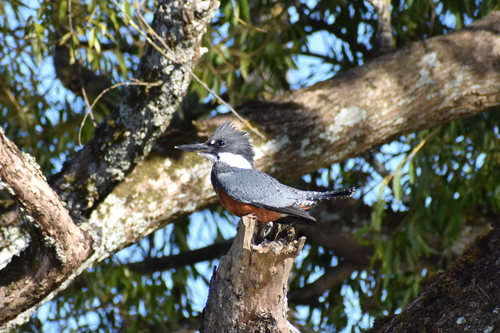 Ringed Kingfisher
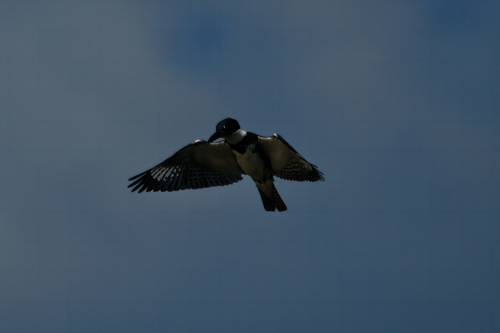 Belted Kingfisher
In breve
Il segno di campo più affidabile per separare il Ringed Kingfisher dal Belted Kingfisher è la dimensione complessiva e la colorazione delle parti inferiori: il Ringed è molto più grande e massiccio, con i maschi che mostrano parti inferiori di un ricco marrone ruggine, mentre il Belted è notevolmente più piccolo e non ha mai parti inferiori completamente rugginose nei maschi. Le femmine di entrambe le specie hanno un po' di ruggine, ma il motivo e l'estensione differiscono. In volo o posato, il becco massiccio e la massa del Ringed spiccano, mentre il Belted è più compatto. I giovani Belted Kingfishers possono mostrare ruggine sulla pancia, il che può confondere, ma l'estensione e il motivo non sono così estesi come nei maschi Ringed. La voce e lo stile di volo aiutano anche, con il Ringed che emette rattling più profondi e forti.
Consigli di identificazione
- La dimensione è il primo controllo: il Ringed Kingfisher è quasi il doppio della massa del Belted e appare molto più massiccio, specialmente in confronto diretto o quando è posato.
- Struttura del becco: il Ringed ha un becco massiccio e dritto più lungo della testa, con una mandibola inferiore leggermente giallastra; il becco del Belted è pesante ma più corto e completamente scuro con una base grigia.
- Parti inferiori del maschio adulto: il maschio Ringed ha parti inferiori di un esteso marrone ruggine dal petto al vent; il maschio Belted ha sempre parti inferiori bianche pulite con una singola banda blu sul petto—mai ruggine estesa.
- Parti inferiori della femmina adulta: la femmina Belted mostra una banda blu sul petto e una banda rugginosa attraverso la pancia superiore e i fianchi; la femmina Ringed manca della banda rugginosa, mostrando invece una banda blu-grigia sopra una banda bianca.
- Confusione giovanile: i giovani Belted Kingfishers di entrambi i sessi mostrano una banda rugginosa sulla pancia superiore, ma è sempre una banda, mai le parti inferiori complete; la ruggine del maschio Belted giovane è maculata, e quella della femmina giovane è più sottile rispetto a quella delle femmine adulte.
- Cresta e collare: entrambi hanno una cresta arruffata e un collare bianco, ma quella del Ringed è più evidente a causa delle sue dimensioni maggiori.
- Motivo della parte superiore dell'ala: il Belted mostra piccole macchie bianche sulle copritrici delle ali e sulle piume di volo; il Ringed è più uniforme blu-grigio sopra, con solo macchie sottili in alcune sottospecie.
- Forma della coda: entrambi hanno code quadrate, ma quella del Ringed è più lunga e più robusta.
- Stile di volo: il Ringed vola con battiti d'ala lenti e potenti e appare pesante; il Belted è più veloce, spesso sospendendosi prima di tuffarsi.
- Voce: il richiamo del Ringed è un rattling profondo e rimbombante; quello del Belted è un rattling più acuto e di tono più alto.
- Comportamento di posarsi: il Ringed è meno agile, spesso muovendosi goffamente tra i posatoi; il Belted si muove più agilmente.
- Contesto dell'habitat: nelle zone di sovrapposizione, il Ringed preferisce i posatoi più aperti ed esposti lungo grandi fiumi o laghi; il Belted è più versatile nella scelta dell'habitat.
- Colore dell'iride: entrambi hanno iridi marrone scuro—questo non è un separatore utile.
- Piedi e artigli: entrambi hanno piedi sindattili, ma questo non è visibile sul campo.
- Dimorfismo sessuale: entrambe le specie mostrano differenze nel piumaggio basate sul sesso, ma il motivo e l'estensione della ruggine sulle parti inferiori è il separatore chiave—il maschio Ringed è ampiamente rugginoso, la femmina Belted ha solo una banda rugginosa.
Taglia
Il Ringed Kingfisher è drammaticamente più grande e pesante del Belted Kingfisher. Il Ringed pesa in media 305–341 g (quasi il doppio del Belted che pesa 147 g), con un becco molto più lungo (maschi 75–94 mm contro il becco proporzionalmente più corto del Belted) e ali e coda più lunghe. Anche a distanza, il Ringed appare più massiccio, con un torace più profondo e una corporatura più pesante. Il Belted è tozzo ma chiaramente più piccolo, con un'impressione più compatta. Se entrambi vengono visti insieme, la differenza di dimensione è sorprendente.
Piumaggio
I giovani Belted Kingfishers di entrambi i sessi mostrano una banda rugginosa sulla pancia superiore, ma questa è sempre limitata a una banda e non copre mai le parti inferiori complete come nel maschio adulto Ringed Kingfisher. Il maschio giovane Belted mostra una banda rugginosa maculata, mentre la femmina giovane Belted ha una banda rugginosa più sottile rispetto alle femmine adulte. Il maschio adulto Ringed Kingfisher ha parti inferiori marrone ruggine dal petto al vent, con una gola bianca e copritrici della coda; la femmina adulta Ringed ha una banda blu-grigia sopra una banda bianca, mancando della ruggine estesa. I maschi adulti Belted Kingfisher hanno parti inferiori bianche pulite con una singola banda blu sul petto; le femmine hanno una banda blu sul petto e una banda rugginosa attraverso la pancia superiore e i fianchi. Entrambe le specie hanno una cresta arruffata e un collare bianco, ma quella del Ringed è più prominente a causa delle sue dimensioni. In volo, entrambe mostrano parti superiori blu-grigie, ma il Ringed è più scuro e più uniforme, mentre il Belted ha piccole macchie bianche sulle copritrici delle ali e sulle piume di volo. La variazione subspecifica nel Ringed può aggiungere macchie o copritrici delle ali inferiori scure, ma queste sono sottili e raramente diagnostiche sul campo.
Comportamento
Il Ringed Kingfisher è meno agile sulla terra, muovendosi goffamente tra i posatoi, e tende a volare con battiti d'ala lenti e potenti, coprendo spesso lunghe distanze su acque aperte o terra. Il Belted Kingfisher è più attivo e agile, sospendendosi frequentemente sopra l'acqua prima di tuffarsi e muovendosi più agilmente tra i posatoi. Entrambe le specie sono appariscenti e rumorose, ma il volo del Ringed è più pesante e deliberato, in linea con le sue dimensioni.
Habitat
Entrambe le specie si trovano lungo fiumi, laghi e altri corpi idrici, ma i loro areali si sovrappongono solo nel Texas meridionale e in alcune parti dell'America Centrale. Il Ringed Kingfisher preferisce corsi d'acqua più grandi e aperti ed è più probabile che venga visto lungo fiumi ampi o coste di laghi aperti. Il Belted Kingfisher è diffuso in tutta l'America del Nord e si adatta a torrenti più piccoli, stagni e persino habitat costieri. Nelle zone di sovrapposizione, il Ringed seleziona spesso i posatoi più aperti ed esposti.
Voce
Il Ringed Kingfisher emette un richiamo forte, profondo e rimbombante, di tono più basso e più risonante rispetto a quello del Belted Kingfisher. Il rattling del Belted Kingfisher è di tono più alto e più acuto. Entrambe le specie sono rumorose, ma la voce del Ringed si sente più lontano ed è più rimbombante. I giovani Ringed possono emettere richiami aspri 'klek' o 'kek', ma questi sono raramente uditi a meno che l'uccello non venga disturbato.
Ringed Kingfisher · Belted Kingfisher · I miei uccelli difficili