

Red-legged Crake vs Black-headed Ibis
Rallina fasciata contro Threskiornis melanocephalus
Fai un quiz con Red-legged Crake e Black-headed Ibis
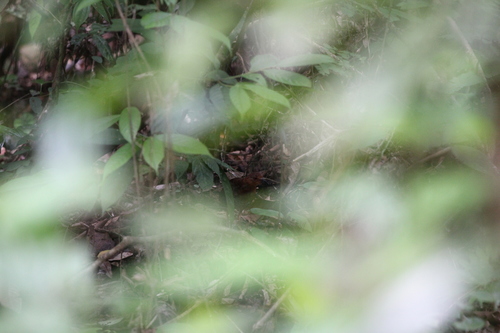 Red-legged Crake
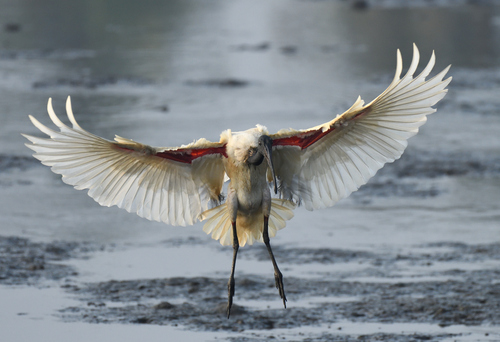 Black-headed Ibis
In breve
Il segno distintivo più affidabile per separare il Red-legged Crake dal Black-headed Ibis è la dimensione e la struttura complessiva: l'ibis è un wader molto più grande, con lunghe gambe e collo, dal corpo bianchissimo e dalla testa e collo neri nudi, mentre il crake è un piccolo rail compatto con parti inferiori castano ricco e fianchi barrati. In volo o a riposo, le parti inferiori barrate in bianco e nero del crake e le sue gambe rosse sono diagnostiche, mentre l'ibis mostra sempre un corpo bianco con testa, collo e becco neri. Gli ibis giovani hanno alcune piume grigioastre ma non mostrano mai il ricco rufous o le barre del crake. Anche a distanza, il lungo becco curvo dell'ibis e la sua postura eretta contrastano nettamente con il becco corto del crake e la sua postura accovacciata, simile a quella di un rail.
Consigli di identificazione
- Size and structure: Il Black-headed Ibis è enorme rispetto al Red-legged Crake; se l'uccello è delle dimensioni di un'oca o più grande di un'anatra, è un ibis, non un crake. Il crake è delle dimensioni di un piccione, compatto e con gambe corte.
- Bill shape: L'ibis ha un lungo becco nero curvo verso il basso, molto evidente a qualsiasi distanza. Il crake ha un becco corto, dritto e verdastro. Questo è un segno chiave anche in condizioni di scarsa illuminazione.
- Leg color: Il crake ha gambe rosse brillanti, spesso visibili quando cammina o in volo. L'ibis ha gambe nere.
- Head and neck: L'ibis ha una testa e un collo neri nudi; la testa e il collo del crake sono piumati, di un ricco rosso-bruno. Nessun crake mostra mai una testa nera nuda.
- Underparts: Il crake mostra barre nere e bianche audaci sui fianchi e sulle ali inferiori, visibili quando cammina o vola. L'ibis è bianco sotto, a volte con un accenno di giallo o grigio negli adulti in riproduzione, ma mai barrato.
- Upperparts: Le parti superiori del crake sono grigio-brune; l'ibis è bianco con alcune macchie grigie sulla coda (in riproduzione) o maculature bruno-grigie nei giovani, ma mai completamente marrone.
- Flight silhouette: L'ibis vola con collo e gambe distesi, grandi ali e battiti lenti e regolari. Il crake vola basso e veloce, con il collo ritratto e le gambe penzoloni.
- Habitat: Il crake si trova in copertura densa vicino all'acqua, raramente in aperto. L'ibis è solitamente in zone umide aperte, campi o anche aree urbane, spesso in gruppi.
- Juvenile confusion: Gli ibis giovani hanno piumaggio grigio o bruno-grigio ma non mostrano mai le barre o i toni rufous del crake. Se vedi barre o un castano ricco, è un crake.
- Group size: L'ibis è spesso visto in gruppi o stormi; il crake è solitario o in coppie.
- Behavior: Il crake è riservato e furtivo; l'ibis è audace, eretto e appariscente.
- Bare skin patches (ibis): Solo gli ibis in riproduzione possono mostrare macchie di pelle nuda rosse o bluastre sotto l'ala o dietro il collo, mai viste nel crake.
- Tail: La coda dell'ibis è corta con piume ornamentali; la coda del crake non è distintiva.
- Vocalization: L'ibis è silenzioso tranne per rari grugniti al nido; il crake può chiamare ma non è descritto qui.
- Context: Se visto in una garzaia o nidificando in un grande albero, è un ibis. Il crake nidifica in copertura densa.
Taglia
Il Red-legged Crake è un crake di dimensioni medie-grandi, lungo circa 24 cm [wikipedia], con una forma di rail compatta, con collo corto e gambe corte. Il Black-headed Ibis è molto più grande, lungo 65–76 cm [wikipedia], con un collo lungo, lunghe gambe e un lungo becco curvo verso il basso. La differenza di dimensioni è drammatica: l'ibis è quasi tre volte più lungo del crake e molto più massiccio, sovrastando il crake in qualsiasi confronto diretto.
Piumaggio
I Red-legged Crake giovani e adulti hanno una testa, collo e petto di un ricco rosso-bruno, più chiari sulla gola, con parti superiori grigio-brune e distintive barre nere e bianche sulle parti inferiori e sulle ali inferiori [wikipedia]. Il loro becco è verde e le gambe sono rosse. Al contrario, gli adulti Black-headed Ibis sono bianchi nel complesso con una testa e un collo neri nudi, un becco nero curvo verso il basso e gambe nere. La coda ha piume ornamentali grigio chiaro, che diventano nere come il carbone durante la stagione di riproduzione. Gli adulti in riproduzione possono mostrare macchie di pelle nuda rosse o bluastre e talvolta toni giallastri sul petto e sulla schiena. Gli ibis giovani hanno piumaggio grigio sulla gola e maculature bruno-grigie sulle ali e sulla schiena, ma non mostrano mai barre o toni rufous. Le ali inferiori dell'ibis possono mostrare macchie nude rosse durante la stagione di riproduzione, ma mai le barre nette del crake. Nessuna età o stagione di ibis assomiglia al modello delle parti inferiori del crake.
Comportamento
Il Red-legged Crake è tipicamente riservato, si muove furtivamente in vegetazione umida densa, muovendosi con brevi scatti rapidi e raramente avventurandosi in acque aperte. Spesso cerca cibo vicino alla copertura e può congelarsi quando disturbato. Il Black-headed Ibis è un wader appariscente e gregario, spesso visto camminare in zone umide aperte, campi di riso o anche aree urbane, nutrendosi sondando con il suo lungo becco. L'ibis sta eretto, spesso in gruppi, ed è molto più probabile vederlo in volo sopra il paese aperto. Lo stile di volo differisce: l'ibis vola con collo e gambe distesi, mentre il crake vola basso e veloce, con le gambe penzoloni e il collo ritratto.
Habitat
Il Red-legged Crake preferisce la vegetazione densa e umida vicino a corsi d'acqua forestali, paludi o zone umide densamente vegetate, raramente allontanandosi dalla copertura [wikipedia]. Il Black-headed Ibis è altamente adattabile, utilizzando una vasta gamma di habitat umidi aperti, comprese paludi, laghi, campi di riso, stagni di scarico e persino discariche urbane [wikipedia]. L'ibis è spesso visto in campagna aperta, mentre il crake è quasi sempre in o vicino a copertura densa. Se vedi un uccello in acqua aperta o nutrirsi in un grande gruppo, è quasi certamente un ibis, non un crake.
Voce
Il Black-headed Ibis è essenzialmente silenzioso, privo di un vero meccanismo di produzione vocale, e emette solo grugniti ventriloqui al nido [wikipedia]. Il Red-legged Crake non è descritto qui, ma i rail in generale possono emettere richiami acuti e ripetuti, specialmente quando vengono disturbati. Le vocalizzazioni non sono un segno distintivo affidabile per separare questi due, ma il silenzio dell'ibis è notevole.
Red-legged Crake · Black-headed Ibis · I miei uccelli difficili