

Red-bellied Woodpecker vs Pileated Woodpecker
Melanerpes carolinus contro Dryocopus pileatus
Fai un quiz con Red-bellied Woodpecker e Pileated Woodpecker
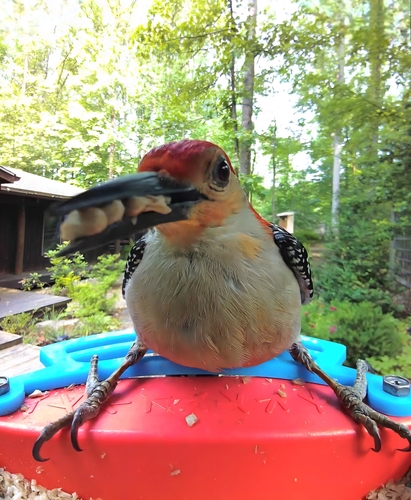 Red-bellied Woodpecker
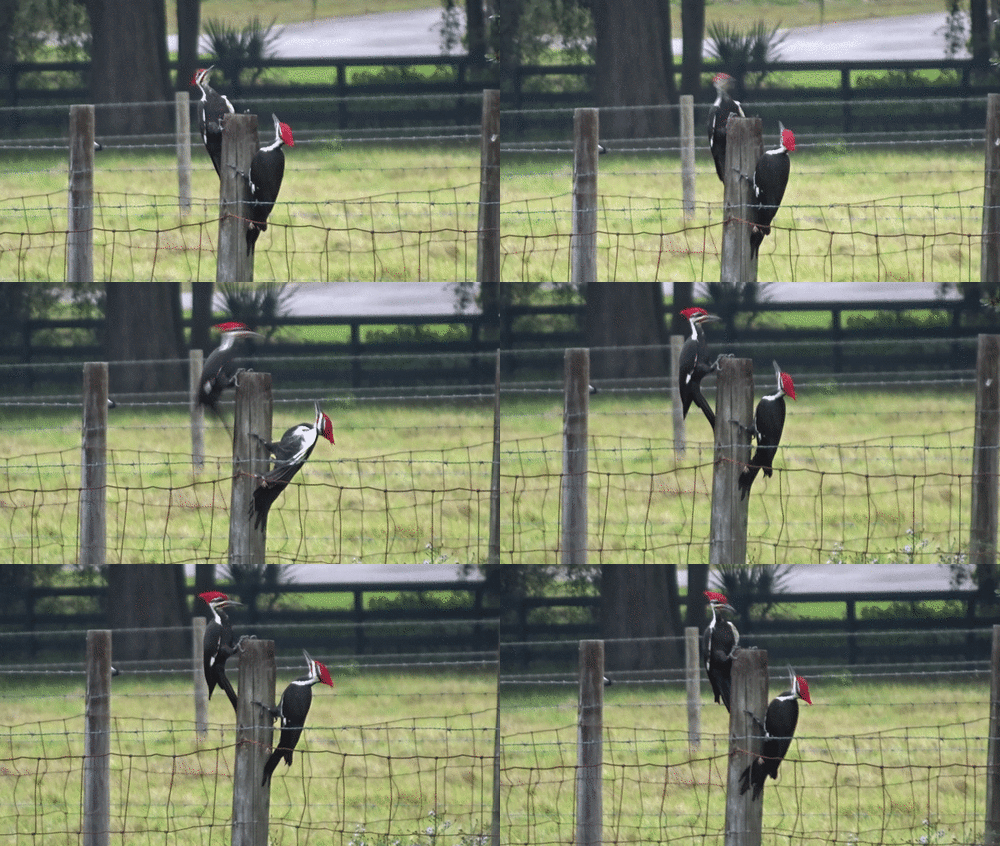 Pileated Woodpecker
In breve
Il segno distintivo più affidabile tra il Picchio Pileato e il Picchio dal Ventre Rosso è la dimensione e la struttura complessiva: il Pileato è delle dimensioni di un corvo con un collo lungo, un becco massiccio e una cresta rossa audace, mentre il Ventre Rosso è molto più piccolo, con un becco più corto e solo un cappuccio o una nuca rossa. In volo, entrambi mostrano bianco nelle ali, ma il Pileato lampeggia grandi macchie bianche sotto le ali, mentre il Ventre Rosso mostra macchie bianche più piccole. I giovani Pileati hanno creste meno curve, ma anche i giovani uccelli sono molto più grandi di qualsiasi Ventre Rosso. Appollaiati, nota il dorso barrato in bianco e nero del Ventre Rosso rispetto al nero solido del Pileato. Le identificazioni errate avvengono spesso quando si intravede solo il rosso sulla testa, ma l'estensione e la posizione del rosso sono fondamentali.
Consigli di identificazione
- La dimensione è il primo controllo: Se l'uccello sembra delle dimensioni di un corvo o più grande di un ghiandaia, è un Pileato; se è più vicino a uno storno o a un pettirosso, è un Ventre Rosso. Questo vale per tutte le età e i sessi.
- Lunghezza e forma del becco: Il Pileato ha un becco lungo, simile a uno scalpello, quasi lungo quanto la sua testa; il becco del Ventre Rosso è più corto e più proporzionato alla sua testa. Usa questo per gli uccelli appollaiati o per le viste di volo ravvicinate.
- Rosso sulla testa: Il Pileato ha una cresta rossa piena e appuntita (entrambi i sessi), che si estende bene sopra la corona. I maschi del Ventre Rosso hanno un cappuccio rosso dal becco alla nuca; le femmine hanno una nuca rossa e una macchia rossa separata sopra il becco. Nessun Ventre Rosso mostra mai una cresta completa.
- Schema del dorso: Il Ventre Rosso mostra sempre barrature in bianco e nero sul dorso e sulle ali; il Pileato è nero solido sopra (eccetto per il bianco sotto le ali in volo).
- Faccia e gola: Il Pileato ha una linea bianca lungo il lato della gola; il Ventre Rosso ha una faccia grigia chiara e manca di una striscia bianca audace sulla gola.
- Parte inferiore: Il Ventre Rosso è grigio chiaro sotto, a volte con una leggera sfumatura rossastra sul ventre (difficile da vedere). Il Pileato è nero sotto, con bianco solo sulle ali inferiori e sulla gola.
- Schema delle ali in volo: Entrambi mostrano macchie bianche, ma quelle del Pileato sono molto più grandi e ovvie, lampeggiando bianche sotto le ali; il bianco del Ventre Rosso è più piccolo e meno appariscente.
- Creste giovanili: I giovani Pileati hanno creste meno curve ma mostrano ancora il grande 'mohawk' rosso; i giovani Ventre Rossi assomigliano agli adulti ma con un rosso più opaco.
- Contesto dell'habitat: In foreste profonde e mature, specialmente con grandi alberi morti, aspettati il Pileato. In boschi aperti, ai margini o vicino a case, è più probabile trovare il Ventre Rosso.
- Battere: Il battere del Pileato è profondo e risonante, si sente lontano; quello del Ventre Rosso è più breve e meno potente.
- Richiami: Il Pileato emette un forte e squillante 'cuk-cuk-cuk' o una risata; il Ventre Rosso emette un 'chee-wuck' o 'grr, grr' rotolante.
- Segni di foraggiamento: Grandi buchi rettangolari con grandi trucioli di legno suggeriscono il Pileato; buchi più piccoli e scavi meno drammatici sono tipici del Ventre Rosso.
- Stile di volo: Il volo del Pileato è forte, diretto e ondulato, con ali ampie; quello del Ventre Rosso è più saltellante e meno potente.
- Differenze sessuali: Rilevante solo per il sottile schema della testa—il maschio Pileato ha una striscia rossa malare, la femmina ha nera; i maschi del Ventre Rosso hanno un cappuccio rosso completo, le femmine hanno rosso solo sulla nuca e sopra il becco.
- Trappole comuni: Intravedere solo il rosso sulla testa può fuorviare—controlla sempre la forma della cresta, il modello del dorso e la dimensione prima di decidere.
Taglia
Il Picchio Pileato è drammaticamente più grande: con una lunghezza di 40–49 cm e un peso di 225–400 g, è quasi il doppio della lunghezza e oltre tre volte la massa del Ventre Rosso (22.85–26.7 cm, 70.45 g). L'apertura alare del Pileato (66–75 cm) è anche molto più ampia rispetto a quella del Ventre Rosso (38–46 cm). Anche a distanza o in silhouette, la dimensione e le proporzioni del Pileato—collo lungo, testa grande e becco pesante—si distinguono, mentre il Ventre Rosso appare compatto e di dimensioni medie per un picchio.
Piumaggio
- Segni giovanili/immaturi: I Picchi Pileati giovani hanno creste meno curve, simili a un 'mohawk', ma mostrano ancora la grande cresta rossa e il corpo per lo più nero. I Picchi dal Ventre Rosso giovani assomigliano agli adulti ma con segni sulla testa più opachi; entrambe le età mostrano il dorso barrato e le parti inferiori più chiare. Non è descritto alcun modello distintivo delle ali superiori specifico per età per nessuna delle due specie, ma in volo, entrambe mostrano macchie bianche sulle ali—quelle del Pileato sono molto più grandi e ovvie.
- Adulti: Il Picchio dal Ventre Rosso ha una faccia e parti inferiori grigie chiare, un dorso barrato in bianco e nero e un cappuccio rosso (maschio: dal becco alla nuca; femmina: nuca rossa e sopra il becco, non continuo). Il 'ventre rosso' è sottile e raramente visibile. Il Picchio Pileato è per lo più nero con una cresta rossa audace, una striscia bianca sulla gola e macchie bianche sotto le ali. I maschi hanno una linea rossa dal becco alla gola; le femmine hanno una linea nera. Il dorso del Pileato è nero solido, privo delle barrature del Ventre Rosso.
Comportamento
Entrambe le specie battono e scavano cavità, ma il comportamento del Picchio Pileato è più evidente a causa della sua dimensione e dei grandi buchi rettangolari che crea. I Pileati spesso foraggiano scavando in profondità nel legno morto, a volte lasciando grandi mucchi di trucioli di legno, e il loro volo è forte e diretto ma ondulato. I Picchi dal Ventre Rosso sono più propensi a essere visti in boschi aperti o aree suburbane, muovendosi con voli più brevi e saltellanti e foraggiando su tronchi e rami. Entrambi sono territoriali durante la riproduzione, ma le coppie di Pileati rimangono insieme tutto l'anno e difendono grandi territori.
Habitat
Il Picchio Pileato preferisce foreste decidue o miste mature ed estese, specialmente con grandi alberi morti per nidificare e foraggiare. Può essere trovato anche in foreste boreali e alcune foreste costiere del Pacifico. Il Picchio dal Ventre Rosso è più comune in boschi aperti, ai margini delle foreste e persino in parchi e giardini suburbani, specialmente negli Stati Uniti orientali. Se visto in una foresta profonda e matura, specialmente lontano dall'abitato umano, è più probabile che sia un Pileato; in boschi frammentati o vicino a case, è più probabile trovare un Ventre Rosso.
Voce
Il Picchio dal Ventre Rosso emette un 'chee-wuck, chee-wuck' rotolante e un basso 'grr, grr' durante il corteggiamento. Il suo battere è rapido ma non così risonante come quello del Pileato. Il richiamo del Picchio Pileato è un forte e risonante 'cuk-cuk-cuk-cuk', spesso paragonato a una risata maniacale, e il suo battere è profondo e si sente lontano. Sul campo, i richiami del Pileato sono molto più forti e squillanti, mentre quelli del Ventre Rosso sono più brevi e meno potenti.
Red-bellied Woodpecker · Pileated Woodpecker · I miei uccelli difficili