

Planalto Woodcreeper vs Great Rufous Woodcreeper
Dendrocolaptes platyrostris contro Xiphocolaptes major
Fai un quiz con Planalto Woodcreeper e Great Rufous Woodcreeper
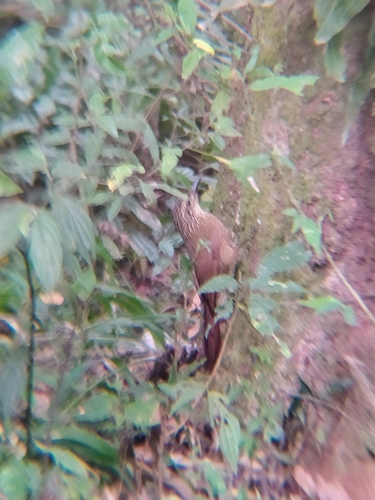 Planalto Woodcreeper
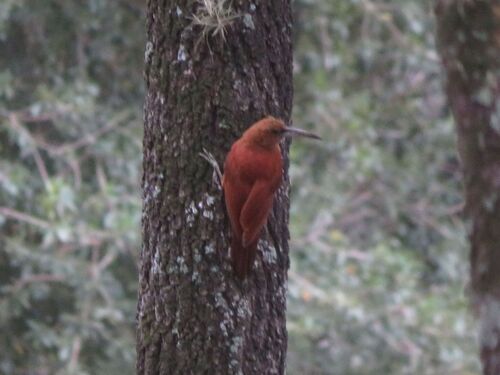 Great Rufous Woodcreeper
In breve
Il segno di campo più affidabile tra il Planalto Woodcreeper e il Great Rufous Woodcreeper è il colore generale: il Planalto è marrone oliva con forti striature color crema, mentre il Great Rufous è un uccello massiccio, luminoso rufous-cannella con striature minime. Anche la struttura è un indizio: il Great Rufous ha un corpo molto più pesante, con un lungo e spesso becco pallido ricurvo, rispetto alla costruzione più snella del Planalto e al suo becco dritto e più scuro. In volo o posato, la grandezza e i toni ricchi di rufous del Great Rufous si distinguono, mentre il Planalto appare più patternizzato e meno vivacemente colorato. Non sono descritti segni specifici per le ali o il volo dei giovani per nessuna delle due specie, quindi concentrati sul colore generale, la forma del becco e la dimensione. Entrambi possono sovrapporsi nell'areale, ma la confusione è più probabile quando vengono visti solo di sfuggita o in scarsa luce.
Consigli di identificazione
- Colore generale: Il Great Rufous Woodcreeper è quasi interamente luminoso rufous-cannella, mentre il Planalto è marrone oliva con forti striature color crema. Questa è la separazione di campo più rapida a qualsiasi età.
- Forma e colore del becco: Il Great Rufous ha un lungo, spesso e ricurvo becco pallido (da corno a bianco); il becco del Planalto è di lunghezza media, dritto e nero (a volte con una punta più chiara). Questo è particolarmente utile se la testa è visibile.
- Dimensione e struttura: Il Great Rufous è molto più grande e pesante, con un corpo robusto e massiccio e una lunga coda. Il Planalto è più snello e leggero, con una costruzione più delicata.
- Pattern della corona e del nape: Il Planalto mostra forti striature color crema su una corona e un nape nerastro; il Great Rufous ha una corona rufous leggermente più scura ma manca di forti striature qui (eccetto in alcuni giovani/sottospecie).
- Schiena e groppa: La schiena e la groppa del Planalto sono marrone oliva con sottili striature color crema; il Great Rufous è uniformemente rufous-cannella sopra, privo della schiena striata.
- Colore delle ali e della coda: Le ali e la coda del Planalto sono castano opaco, in contrasto con la schiena marrone oliva; le ali e la coda del Great Rufous sono ricche di rufous o castano, fondendosi con il resto del piumaggio.
- Pattern del viso: Il Planalto ha un viso scuro con forti striature color crema e un debole sopracciglio; il viso del Great Rufous è più uniforme rufous con lore scuri, privo di un forte sopracciglio.
- Gola e petto: La gola del Planalto è biancastra con deboli striature, e il petto è marrone oliva con forti striature bianche color crema; la gola del Great Rufous è di un pallido cannella con alcune striature bianche color crema, e il petto è cannella con solo deboli striature.
- Pancia e fianchi: Il Planalto mostra sottili barre nerastre sulla pancia e sui fianchi; il Great Rufous ha barre marrone scuro sulla pancia, ma queste sono meno distinte contro lo sfondo rufous.
- Colore dell'iride: Il Great Rufous può mostrare un'iride rosso-bruna o cremisi, specialmente in buona luce; l'iride del Planalto è marrone.
- Colore delle gambe: Entrambe le specie hanno gambe grigie o verdastre, non affidabilmente diagnostiche.
- Piumaggio giovanile: Il giovane Great Rufous è di un rufous più luminoso con striature più forti sul petto ma striature più deboli sulla corona; i giovani del Planalto non sono descritti, ma probabilmente simili agli adulti.
- Variazione delle sottospecie: Alcune sottospecie di Planalto (intermedius) sono più chiare e più cannella, ma mai così uniformi o luminosamente rufous come il Great Rufous. Alcune sottospecie di Great Rufous sono più scure o più striate, ma comunque molto più rufous di qualsiasi Planalto.
- Viste in volo: Non sono descritti schemi unici per le ali o il volo per nessuna delle due specie, quindi fai affidamento su dimensione, colore e struttura in volo.
- Contesto: Entrambi possono verificarsi insieme, quindi non utilizzare solo l'areale o l'habitat per l'ID. Concentrati su colore, dimensione e forma del becco.
Taglia
Il Great Rufous Woodcreeper è drammaticamente più grande e pesante: gli adulti pesano circa 156 g (maschi 120–150 g, femmine fino a 162 g) e misurano 27–34 cm di lunghezza. Il Planalto Woodcreeper è molto più snello e leggero, a circa 58 g e 25–27 cm. Sul campo, il Great Rufous appare massiccio e robusto, spesso sembrando quasi il doppio del volume del Planalto. La dimensione e la forma del becco esagerano ulteriormente questa differenza: il Great Rufous ha un becco spesso, lungo e ricurvo, mentre quello del Planalto è di lunghezza media, dritto e più snello.
Piumaggio
Non sono descritti schemi distintivi per le ali o il volo giovanile o immaturo per nessuna delle due specie, quindi i segni di volo specifici per l'età non sono diagnostici. Per gli adulti, il Planalto Woodcreeper è marrone oliva sopra con forti striature color crema sulla corona, sul nape e sulla schiena, e un petto marrone oliva striato. Le sue ali e la coda sono castano opaco, con punte scure sulle primarie. Il viso è scuro con forti striature color crema e un debole sopracciglio. Le parti inferiori mostrano forti striature sul petto e sottili barre sulla pancia e sui fianchi. Al contrario, il Great Rufous Woodcreeper è quasi interamente luminoso rufous-cannella, con solo deboli striature color crema sul petto e alcune barre scure sulla pancia. La sua corona è leggermente più scura e la coda è più castano. Il becco è pallido da corno a bianco, e l'iride può essere marrone scuro o cremisi. I giovani del Great Rufous sono ancora più luminosi rufous, con striature più forti sul petto ma striature più deboli sulla corona. La variazione delle sottospecie in entrambi può influenzare il tono generale, ma il Planalto non si avvicina mai al rufous uniforme del Great Rufous.
Comportamento
Entrambe le specie sono woodcreepers e condividono comportamenti di foraggiamento simili, arrampicandosi su tronchi e grandi rami. Tuttavia, il Great Rufous, a causa della sua dimensione, può apparire più pesante e meno agile rispetto al più snello Planalto. In stormi misti o in sciami di formiche, il Great Rufous spesso domina per dimensione. Entrambe le specie possono essere viste muoversi metodicamente su tronchi, ma la costruzione pesante del Great Rufous e il suo grande becco lo fanno risaltare in un confronto diretto.
Habitat
Entrambe le specie si sovrappongono in gran parte del loro areale (Argentina, Brasile, Paraguay), anche se il Great Rufous si estende in Bolivia e il Planalto in Uruguay. Entrambi si trovano in habitat forestali, ma non c'è separazione diagnostica dell'habitat nelle note. Aspettati entrambi in boschi maturi e ai margini delle foreste.
Planalto Woodcreeper · Great Rufous Woodcreeper · I miei uccelli difficili