

Piping Plover vs Wilson's Plover
Charadrius melodus contro Anarhynchus wilsonia
Fai un quiz con Piping Plover e Wilson's Plover
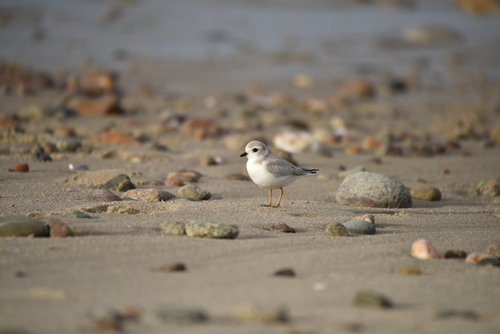 Piping Plover
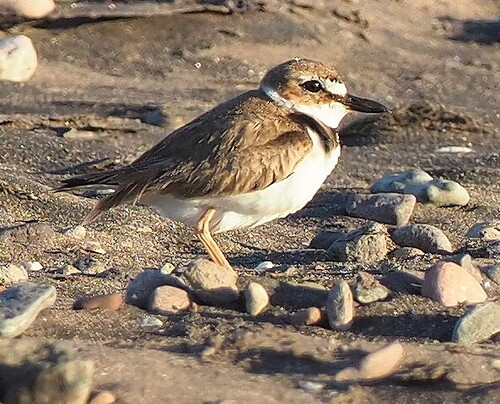 Wilson's Plover
In breve
Il segno distintivo più affidabile per separare il Piping Plover dal Wilson's Plover è il becco: il Piping Plover ha un becco corto e tozzo di colore arancione con una punta nera, mentre il Wilson's Plover mostra un becco molto più pesante e completamente scuro. In abito nuziale, il Piping Plover ha gambe di un brillante arancione e un netto anello nero attorno al collo, mentre il Wilson's Plover ha gambe rosate e una banda petto più ampia e scura. Gli uccelli giovanili e non in riproduzione possono essere più difficili da distinguere, ma il Wilson's è sempre più massiccio nel becco e più scuro sopra. Fai attenzione al colore delle gambe, alla forma del becco e alla nitidezza della banda petto, specialmente quando gli uccelli non sono in abito nuziale completo.
Consigli di identificazione
- Forma e colore del becco: Il Piping Plover ha un becco corto e tozzo di colore arancione con una punta nera (tutte le stagioni, tutte le età); il Wilson's Plover ha un becco molto più pesante, lungo e completamente scuro. Questo è il segno migliore a qualsiasi distanza.
- Colore delle gambe: Il Piping Plover mostra gambe di un brillante giallo-arancione (specialmente in stagione di riproduzione), mentre il Wilson's Plover ha gambe rosate che sono più brillanti negli uccelli in riproduzione. In luce fioca, il colore delle gambe può essere difficile da distinguere, ma le gambe del Piping non sembrano mai rosa.
- Banda petto: Il Piping Plover ha un sottile anello nero completo attorno al collo (maschio in riproduzione) o una banda debole e interrotta (femmina/immaturo/non in riproduzione); il Wilson's Plover ha una banda petto molto più ampia e scura (nera nei maschi in riproduzione, marrone/ruggine nelle femmine/immaturi), che appare spesso più pesante e più estesa.
- Frente e faccia: Il Piping Plover mostra una banda nera netta attraverso la fronte da occhio a occhio (maschio in riproduzione), mentre il maschio in riproduzione del Wilson's Plover ha lore nere e una corona frontale nera con una maschera ruggine. Le femmine e i Wilson's non in riproduzione hanno meno contrasto, ma mancano ancora della netta banda nera sulla fronte del Piping.
- Colore delle parti superiori: Il Piping Plover è pallido, sabbioso e grigio opaco sopra; il Wilson's Plover è di un grigio-marrone più scuro, rendendolo più contrastante contro la sabbia chiara.
- Schema delle ali in volo: Il Wilson's Plover ha una breve banda bianca sulle ali e lati della coda bianchi, che possono essere visti in buone visuali di volo; il Piping Plover non ha una forte banda sulle ali e ha ali più semplici.
- Dimensioni e struttura: Il Wilson's Plover è leggermente più grande e massiccio, con un corpo più lungo e un becco più pesante, ma la sovrapposizione delle dimensioni è significativa. Usa questo solo come indizio di supporto.
- Jizz: Il Piping Plover appare compatto, con testa rotonda e movimento rapido; il Wilson's Plover appare più robusto e deliberato.
- Confusione giovanile/immatura: Entrambi possono mostrare bande petto incomplete, ma il Piping è sempre più chiaro e sabbioso, con un becco più piccolo e gambe arancioni; il Wilson's è più scuro e ha un becco più massiccio.
- Uccelli non in riproduzione: Entrambe le specie perdono contrasto, ma il colore del becco e delle gambe rimane affidabile. Il becco del Piping si opacizza ma mantiene la base arancione; il Wilson's rimane scuro.
- Contesto dell'habitat: Su sabbie interne o spiagge dei Grandi Laghi, il Piping Plover è il default. Sulle coste atlantiche meridionali o del Golfo, entrambe le specie possono verificarsi, ma il Wilson's è più probabile nelle saline e nelle lagune tidal.
- Voce: Il Wilson's Plover emette un fischio alto e debole; il richiamo del Piping Plover non è descritto qui, quindi non fare affidamento sulla voce per la separazione.
- Differenze sessuali: Solo il maschio del Piping Plover in abito nuziale mostra una spessa banda nera sulla fronte e un anello attorno al collo; le femmine sono più opache e possono essere confuse con il Wilson's, ma il colore del becco e delle gambe le separa ancora.
- Trappole stagionali: In abito non riproduttivo, entrambe le specie diventano più opache, ma il Piping Plover non mostra mai un becco pesante e completamente scuro o gambe rosa.
- Quando hai dubbi: Concentrati sulla dimensione e sul colore del becco, poi sul colore delle gambe, poi sull'overall pallore e sulla larghezza della banda petto. Questi tre segni separeranno quasi tutti gli individui in qualsiasi abito.
Taglia
Entrambe le specie sono piccoli piani, ma il Wilson's Plover è leggermente più grande nel complesso: il Piping Plover misura 15–19 cm di lunghezza con una massa di circa 55 g, mentre il Wilson's Plover è lungo 16–20 cm e pesa 55–70 g ([wikidata]). Il Wilson's Plover ha anche un'apertura alare notevolmente più lunga (circa 48 cm contro 35–41 cm per il Piping). Sul campo, il Wilson's Plover può apparire un po' più robusto e con un corpo più lungo, ma la sovrapposizione delle dimensioni è considerevole e non sempre affidabile per un'identificazione rapida.
Piumaggio
-
Uccelli giovanili/immaturi: I giovani del Wilson's Plover assomigliano a femmine adulte, con una banda petto marrone o incompleta e parti superiori generalmente più scure. I giovani del Piping Plover sono più chiari nel complesso, con una banda petto debole o interrotta e parti superiori sabbiose. Non è descritto alcun schema distintivo delle ali superiori per entrambe le specie a questa età, quindi concentrati sul tono generale e sul colore del becco/delle gambe.
-
Piumaggio nuziale adulto: Gli adulti del Piping Plover mostrano una chiara banda nera sulla fronte e un sottile anello nero attorno al collo (più spesso nei maschi), con gambe arancioni e un becco arancione con punta nera. I maschi in riproduzione del Wilson's Plover hanno una banda petto nera audace, lore nere e corona frontale nera, e una maschera ruggine; le femmine e i maschi non in riproduzione sostituiscono il nero con marrone o ruggine. Le parti superiori del Wilson's sono di un grigio più scuro, con una breve banda bianca sulle ali e lati della coda bianchi; il loro becco è scuro e pesante.
-
Piumaggio non in riproduzione: Entrambe le specie perdono un po' di contrasto, ma il Piping Plover rimane più chiaro e sabbioso, con un colore delle gambe e del becco più opaco, mentre il Wilson's Plover diventa più grigio sopra e sulla banda petto, ma mantiene il suo pesante becco scuro e le gambe rosate.
Comportamento
Entrambe le specie si nutrono su spiagge aperte e sabbiate, correndo e fermandosi per prendere prede. I Piping Plover appaiono spesso più delicati e veloci, con un jizz rimbalzante e simile a un passero. Il Wilson's Plover tende a muoversi in modo più deliberato e può apparire più massiccio, specialmente quando visto fianco a fianco. In volo, nessuna delle due specie mostra uno schema distintivo delle ali superiori, ma il Wilson's Plover ha una breve banda bianca sulle ali e lati della coda bianchi, che può essere un indizio sottile se visto bene.
Habitat
Entrambe le specie sono specialiste costiere, ma il Piping Plover è più strettamente legato a spiagge aperte e sabbiose e coste ghiaiose, specialmente in stagione di riproduzione ([wikipedia]). Il Wilson's Plover si riproduce anche su spiagge costiere ma è più diffuso sia sulle coste atlantiche che del Golfo, a volte utilizzando saline e lagune tidal. Nei Grandi Laghi e nelle sabbie interne, si verifica solo il Piping Plover. Se ti trovi ben all'interno, specialmente sulle sabbie dei Grandi Laghi o del fiume Missouri, è molto più probabile che tu incontri il Piping Plover.
Voce
Il Wilson's Plover emette un fischio alto e debole, ma non è descritta alcuna vocalizzazione distintiva per il Piping Plover in queste note. La voce non è un segno primario per la separazione basata sulle informazioni disponibili.