

Chorlitejo Silbador vs Chorlitejo Piquigrueso
Charadrius melodus frente a Anarhynchus wilsonia
Juega un quiz con Chorlitejo Silbador y Chorlitejo Piquigrueso
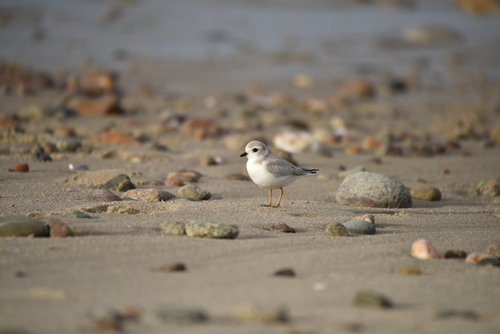 Chorlitejo Silbador
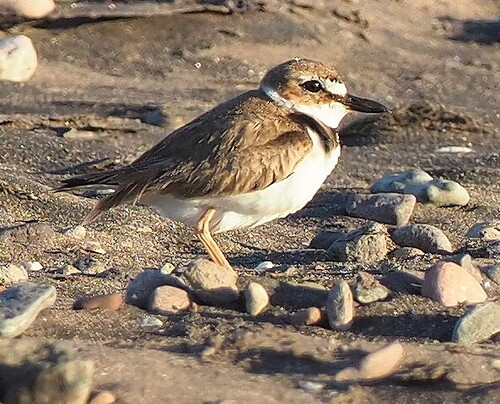 Chorlitejo Piquigrueso
En breve
La marca de campo más confiable para separar Chorlitejo Silbador de Chorlitejo Piquigrueso es el pico: Chorlitejo Silbador tiene un pico corto y robusto de color naranja con una punta negra, mientras que Chorlitejo Piquigrueso muestra un pico mucho más pesado y completamente oscuro. En plumaje de cría, Chorlitejo Silbador tiene patas de un brillante color naranja y un anillo negro en el cuello bien definido, mientras que Chorlitejo Piquigrueso tiene patas de color rosado y una banda en el pecho más ancha y oscura. Las aves juveniles y no reproductivas pueden ser más complicadas, pero el de Chorlitejo Piquigrueso siempre tiene un pico más voluminoso y es más oscuro por encima. Presta mucha atención al color de las patas, la forma del pico y la nitidez de la banda en el pecho, especialmente cuando las aves no están en su plumaje de cría completo.
Consejos de identificación
- Forma y color del pico: Chorlitejo Silbador tiene un pico corto y robusto de color naranja con una punta negra (todas las estaciones, todas las edades); Chorlitejo Piquigrueso tiene un pico mucho más pesado, largo y completamente oscuro. Esta es la mejor marca a cualquier distancia.
- Color de las patas: Chorlitejo Silbador muestra patas de un brillante color amarillo-naranja (especialmente en la temporada de cría), mientras que Chorlitejo Piquigrueso tiene patas de color rosado que son más brillantes en las aves reproductivas. En luz tenue, el color de las patas puede ser complicado, pero las patas de Chorlitejo nunca parecen rosadas.
- Banda en el pecho: Chorlitejo Silbador tiene un anillo negro delgado y completo en el cuello (macho en cría) o una banda débil y rota (hembra/inmaduro/no reproductivo); Chorlitejo Piquigrueso tiene una banda en el pecho mucho más ancha y oscura (negra en machos en cría, marrón/rufosa en hembras/inmaduros), que a menudo parece más pesada y extensa.
- Frente y cara: Chorlitejo Silbador muestra una banda negra bien definida a través de la frente de ojo a ojo (macho en cría), mientras que el macho en cría de Chorlitejo Piquigrueso tiene lore negro y frente con una máscara rufosa. Las hembras y los Chorlitejos Piquigruesos no reproductivos tienen menos contraste, pero aún carecen de la nítida banda negra en la frente de Chorlitejo.
- Color de las partes superiores: Chorlitejo Silbador es pálido, arenoso y gris/caqui apagado por encima; Chorlitejo Piquigrueso es de un gris-marrón más oscuro, lo que lo hace parecer más contrastante contra la arena clara.
- Patrón de alas en vuelo: Chorlitejo Piquigrueso tiene una corta barra blanca en las alas y lados de la cola blancos, que se pueden ver en buenas vistas de vuelo; Chorlitejo Silbador carece de una barra de alas fuerte y tiene alas más simples.
- Tamaño y estructura: Chorlitejo Piquigrueso es ligeramente más grande y robusto, con un cuerpo más largo y un pico más pesado, pero la superposición de tamaño es significativa. Usa esto solo como una pista de apoyo.
- Jizz: Chorlitejo Silbador parece compacto, con cabeza redonda y rápido movimiento; Chorlitejo Piquigrueso parece más robusto y deliberado.
- Confusión juvenil/inmaduro: Ambos pueden mostrar bandas en el pecho incompletas, pero Chorlitejo es siempre más pálido y arenoso, con un pico más pequeño y patas naranjas; Chorlitejo Piquigrueso es más oscuro y con un pico más voluminoso.
- Aves no reproductivas: Ambas especies pierden contraste, pero el color del pico y de las patas sigue siendo confiable. El pico de Chorlitejo Silbador se apaga pero mantiene la base naranja; el de Chorlitejo Piquigrueso se mantiene oscuro.
- Contexto de hábitat: En bancos de arena interiores o playas de los Grandes Lagos, Chorlitejo Silbador es el predeterminado. En las costas del Atlántico sur o del Golfo, ambos pueden ocurrir, pero Chorlitejo Piquigrueso es más probable en salinas y lagunas de marea.
- Voz: Chorlitejo Piquigrueso emite un silbido alto y débil; el canto de Chorlitejo Silbador no se describe aquí, así que no confíes en la voz para la separación.
- Diferencias sexuales: Solo el macho de Chorlitejo Silbador en plumaje de cría muestra una gruesa banda negra en la frente y un anillo en el cuello; las hembras son más apagadas y pueden confundirse con Chorlitejo Piquigrueso, pero el color del pico y de las patas aún los separa.
- Trampas estacionales: En plumaje no reproductivo, ambas especies se vuelven más apagadas, pero Chorlitejo Silbador nunca muestra un pico pesado y completamente oscuro o patas rosadas.
- Cuando tengas dudas: Concéntrate en el tamaño y color del pico, luego en el color de las patas, luego en la palidez general y el ancho de la banda en el pecho. Estas tres marcas separarán casi todos los individuos en cualquier plumaje.
Tamaño
Ambas especies son pequeños chorlitos, pero Chorlitejo Piquigrueso es ligeramente más grande en general: Chorlitejo Silbador mide de 15 a 19 cm de longitud con una masa de alrededor de 55 g, mientras que Chorlitejo Piquigrueso mide de 16 a 20 cm de largo y pesa de 55 a 70 g ([wikidata]). Chorlitejo Piquigrueso también tiene una envergadura notablemente más larga (alrededor de 48 cm frente a 35–41 cm para Chorlitejo). En el campo, Chorlitejo Piquigrueso puede parecer un poco más robusto y con un cuerpo más largo, pero la superposición de tamaño es considerable y no siempre confiable para una identificación rápida.
Plumaje
-
Aves juveniles/inmaduras: Los inmaduros de Chorlitejo Piquigrueso se asemejan a las hembras adultas, con una banda en el pecho marrón o incompleta y partes superiores generalmente más oscuras. Los inmaduros de Chorlitejo Silbador son más pálidos en general, con una banda en el pecho débil o rota y partes superiores arenosas. No se describe un patrón distintivo en la parte superior del ala para ninguna de las especies a esta edad, así que concéntrate en el tono general y el color del pico/patas.
-
Plumaje de cría adulto: Los adultos de Chorlitejo Silbador muestran una clara banda negra a través de la frente y un delgado anillo negro en el cuello (más grueso en machos), con patas naranjas y un pico naranja con punta negra. Los machos de Chorlitejo Piquigrueso en cría tienen una banda negra audaz en el pecho, lore negro y frente, y una máscara rufosa; las hembras y los machos no reproductivos reemplazan el negro con marrón o rufoso. Las partes superiores de Chorlitejo son de un gris más oscuro, con una corta barra blanca en las alas y lados de la cola blancos; su pico es oscuro y pesado.
-
Plumaje no reproductivo: Ambas especies pierden algo de contraste, pero Chorlitejo Silbador sigue siendo más pálido y arenoso, con un color de patas y pico más apagado, mientras que Chorlitejo Piquigrueso se vuelve más gris por encima y en la banda del pecho, pero mantiene su pesado pico oscuro y patas rosadas.
Comportamiento
Ambas especies forrajean en playas abiertas y llanuras de arena, corriendo y deteniéndose para recoger presas. Los Chorlitejos Silbador a menudo parecen más delicados y rápidos, con un jizz rebotante, similar al de un gorrión. Chorlitejo Piquigrueso tiende a moverse de manera más deliberada y puede parecer más voluminoso, especialmente cuando se ven uno al lado del otro. En vuelo, ninguna de las especies muestra un patrón llamativo en la parte superior del ala, pero Chorlitejo Piquigrueso tiene una corta barra blanca en las alas y lados de la cola blancos, que puede ser una pista sutil si se ve bien.
Hábitat
Ambas especies son especialistas costeros, pero Chorlitejo Silbador está más estrictamente vinculado a playas abiertas y arenosas y costas gravosas, especialmente en la temporada de cría ([wikipedia]). Chorlitejo Piquigrueso también cría en playas costeras, pero es más común en ambas costas del Atlántico y del Golfo, a veces utilizando salinas y lagunas de marea. En los Grandes Lagos y bancos de arena interiores, solo se encuentra Chorlitejo Silbador. Si estás bien en el interior, especialmente en los Grandes Lagos o bancos de arena del río Missouri, es mucho más probable que encuentres Chorlitejo Silbador.
Voz
Chorlitejo Piquigrueso emite un silbido alto y débil, pero no se describe ninguna vocalización distintiva para Chorlitejo Silbador en estas notas. La voz no es una marca de campo primaria para la separación basada en la información disponible.
Chorlitejo Silbador · Chorlitejo Piquigrueso · Mis aves difíciles