
Monachella dorsonero vs Monachella testabianca
Oenanthe pleschanka contro Oenanthe leucopyga
Fai un quiz con Monachella dorsonero e Monachella testabianca
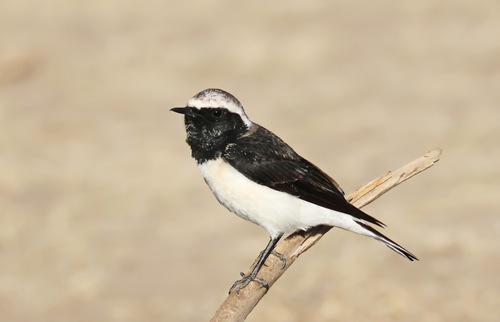 Monachella dorsonero
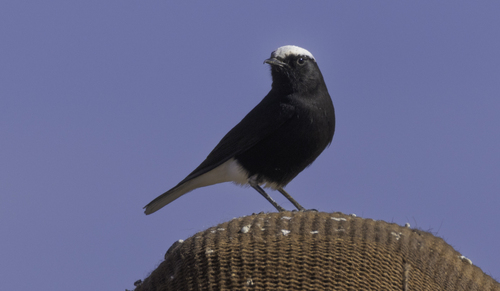 Monachella testabianca
In breve
Il segno distintivo più affidabile tra Monachella dorsonero e Monachella testabianca è il motivo della coda: la Monachella dorsonero mostra una 'T' nera invertita su una coda bianca, mentre la Monachella testabianca ha solo un centro nero sulla coda, privo della 'T'. Il maschio adulto della Monachella dorsonero ha una corona chiara a contrasto e un viso/collo neri, mentre la Monachella testabianca adulta è completamente nera con una corona e un sopracciglio bianchi. La Monachella dorsonero giovane e femminile è più marrone e più patternata, mentre la Monachella testabianca (eccetto i giovani) è per lo più nera. Anche le dimensioni sono un indizio: la Monachella testabianca è notevolmente più grande. L'habitat e l'areale si sovrappongono solo raramente, ma entrambi possono apparire come vagabondi in Europa. Concentrati sul motivo della coda e sul colore generale per la separazione più rapida.
Consigli di identificazione
- Il motivo della coda è fondamentale: Cerca la 'T' nera invertita su una coda bianca nella Monachella dorsonero (tutte le età), rispetto a solo un centro nero sulla coda nella Monachella testabianca (senza 'T'). Questo è più visibile quando l'uccello apre o muove la coda.
- Colore della corona negli adulti: Il maschio adulto della Monachella dorsonero ha una corona da marrone chiaro a bianca, in contrasto con un viso e un collo neri. La Monachella testabianca adulta (entrambi i sessi) ha una corona bianca, ma altrimenti è completamente nera tranne che per il sopracciglio/coda.
- Colorazione generale: I maschi della Monachella dorsonero sono audacemente patternati con nero e bianco, mentre la Monachella testabianca è quasi completamente nera con un sopracciglio, coda e corona bianchi (negli adulti). Le femmine e i giovani della Monachella dorsonero sono più marroni e più patternati; la Monachella testabianca è sempre più scura.
- Confusione tra giovani/femmine: La Monachella dorsonero giovane è marrone e maculata sopra, con centri chiari sulle piume, mentre la Monachella testabianca giovane è di un nero opaco senza una corona bianca. La femmina della Monachella dorsonero è marrone con punte color crema, mai completamente nera.
- Le dimensioni contano: La Monachella testabianca è circa 3–4 cm più lunga e notevolmente più robusta della Monachella dorsonero. Se l'uccello appare grande per una monachella, considera la Monachella testabianca.
- Motivo delle ali: Le femmine e i giovani della Monachella dorsonero mostrano ali marroni con punte/bordi color crema; la Monachella testabianca ha ali uniformemente scure in tutte le livree.
- Motivo del viso: I maschi della Monachella dorsonero hanno una maschera e un collo neri, con un sopracciglio chiaro (linea sopra l'occhio). La Monachella testabianca manca di un sopracciglio chiaro ed è nera in faccia.
- Sopracciglio e dorso: Entrambi hanno sopraccigli bianchi, ma il dorso della Monachella dorsonero è bianco crema, mentre il dorso della Monachella testabianca è nero.
- Contesto dell'habitat: In veri deserti o aree rocciose aride, è più probabile trovare la Monachella testabianca. Nella steppa o nel semi-deserto, è più probabile trovare la Monachella dorsonero. Entrambi possono apparire come vagabondi.
- Canto: Il canto della Monachella testabianca è più forte e più vario, spesso con mimetismo. Il canto della Monachella dorsonero è più morbido, più musicale e imitativo ma meno incisivo.
- Becco e zampe: Entrambi hanno becchi e zampe neri; non è una distinzione utile.
- Usura stagionale: I maschi della Monachella dorsonero diventano con corona più bianca e dorso più nero man mano che i bordi delle piume si consumano durante l'anno; la livrea della Monachella testabianca è più stabile.
- Viste in perching vs. volo: Il motivo della coda è meglio visto quando l'uccello apre o muove la coda, o in volo. Negli uccelli in perching, cerca la corona e il colore generale.
- Trappole: Non fare affidamento sulla presenza di una corona bianca da sola: la Monachella testabianca giovane ne è priva, e i maschi della Monachella dorsonero possono avere una corona chiara. Controlla sempre il motivo della coda per conferma.
- Vagabondaggio: Entrambi sono rari in Europa occidentale; non assumere la specie basandosi solo sulla posizione: usa la livrea e la struttura.
Taglia
La Monachella testabianca è nettamente più grande, misurando 17–18 cm di lunghezza, rispetto alla più piccola Monachella dorsonero che misura circa 14–14.6 cm [wikipedia]. Questa differenza di dimensioni è spesso visibile in confronto diretto o con esperienza, ma può essere sottile se vista da sola. Entrambi sono uccelli snelli e dritti, ma la Monachella testabianca appare più robusta e con una coda più lunga.
Piumaggio
- Giovani: I giovani della Monachella dorsonero sono marroni sopra con centri chiari sulle piume, creando un aspetto maculato. I giovani della Monachella testabianca mancano della corona bianca e sono per lo più neri, ma meno lucidi degli adulti, e possono mostrare alcune tonalità marroni.
- Maschi adulti: I maschi della Monachella dorsonero hanno una corona da marrone chiaro a bianca, viso/collo neri, mantello/scapolari neri, dorso e sopracciglio bianchi e una coda distintiva con una 'T' nera invertita su bianco. Gli adulti della Monachella testabianca di entrambi i sessi sono neri con un sopracciglio bianco e una coda per lo più bianca, ma solo un centro nero (senza 'T'). Gli adulti completi hanno una corona bianca, che è assente nella Monachella dorsonero.
- Femmine: Le femmine della Monachella dorsonero sono complessivamente più marroni, con toni marroni e color crema sulle parti superiori, e meno bianco sul sopracciglio rispetto alla Culbianco. Le femmine della Monachella testabianca sono simili ai maschi, per lo più nere con sopracciglio/coda bianchi, e hanno una corona bianca quando adulte.
- Motivo della coda: Monachella dorsonero: 'T' nera invertita su coda bianca. Monachella testabianca: solo centro nero sulla coda, senza 'T'.
- Motivo delle ali: Nessun forte contrasto nei pannelli delle ali in entrambi, ma la Monachella dorsonero mostra piume delle ali marroni con punte/bordi color crema nelle femmine e nei giovani, mentre la Monachella testabianca ha ali uniformemente scure.
Comportamento
Entrambe le specie sono attive, erette e spesso si posano su rocce o terreni esposti. La Monachella dorsonero è più probabile da vedere in aree aperte, rocciose e scarsamente vegetate, spesso muovendo la coda per rivelare il motivo della coda. La Monachella testabianca è altrettanto audace, ma può apparire più robusta ed è spesso vista in ambienti desertici veri e propri. Entrambi si lanciano per gli insetti e possono cantare da posatoi prominenti.
Habitat
La Monachella dorsonero nidifica in regioni aperte, rocciose e scarsamente vegetate dal sud-est europeo alla Mongolia, e sverna in India e nel nord-est dell'Africa. È un raro vagabondo in Europa occidentale. La Monachella testabianca è residente in deserti rocciosi dal Sahara e Arabia all'Iraq, raramente vagabondando in Europa. Se vista in veri deserti o aree rocciose aride, è più probabile trovare la Monachella testabianca; la Monachella dorsonero preferisce la steppa e il semi-deserto, ma entrambi possono sovrapporsi in migrazione o come vagabondi.
Voce
La Monachella dorsonero emette un richiamo aspro 'zack zack' e un canto a bassa tonalità, musicale e variabile, a volte simile a un allodola o fischiante, spesso imitativo. La Monachella testabianca ha un canto forte e vario con frequenti mimetismi, generalmente più complesso della maggior parte delle monachelle. I richiami sono meno distintivi per la separazione sul campo, ma il canto della Monachella dorsonero è più morbido e più fluido, mentre quello della Monachella testabianca è più forte e più brusco.
Monachella dorsonero · Monachella testabianca · I miei uccelli difficili