

Pheasant Cuckoo vs Pavonine Cuckoo
Dromococcyx phasianellus contro Dromococcyx pavoninus
Fai un quiz con Pheasant Cuckoo e Pavonine Cuckoo
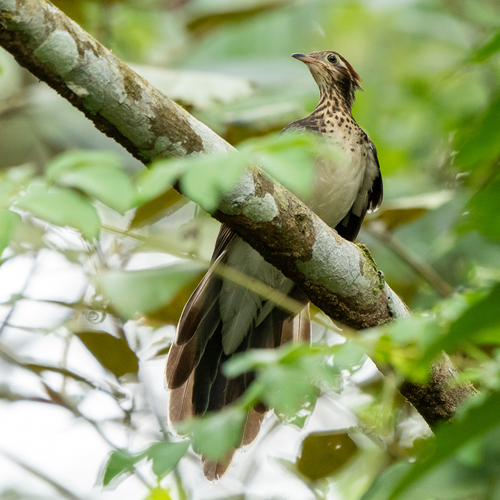 Pheasant Cuckoo
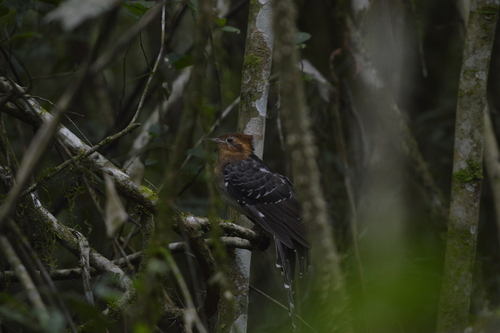 Pavonine Cuckoo
In breve
Il miglior segno di campo per separare il Pheasant Cuckoo dal Pavonine Cuckoo è il motivo sulla gola e sul petto: il Pheasant Cuckoo mostra parti inferiori molto più chiare con pesanti striature nere, mentre il Pavonine Cuckoo ha toni di buff più ricchi e manca di qualsiasi macchia o striatura scura sulla gola e sul petto. Entrambe le specie hanno una cresta marrone ruggine e una lunga coda graduata, ma il Pavonine Cuckoo è leggermente più grande e ha una colorazione delle parti inferiori più uniforme e scura. In volo, il battito d'ali lento e simile a una farfalla del Pavonine Cuckoo e la coda aperta sono distintivi, ma entrambi sono timidi e spesso difficili da vedere bene. Se intravedi il volto, cerca il supercilium e la gola di buff più ricchi del Pavonine rispetto al volto più chiaro e contrastante del Pheasant Cuckoo.
Consigli di identificazione
- Throat and Breast Pattern: Il Pheasant Cuckoo ha parti inferiori di buff chiaro con pesanti striature nere sul petto; la gola e il petto del Pavonine Cuckoo sono di buff ricco e completamente privi di segni. Questo è il segno di campo più affidabile per tutte le età e i sessi.
- Supercilium and Face: Il Pavonine Cuckoo mostra un supercilium, una gola e un petto di buff più ricchi, dando al volto un aspetto più caldo e uniforme. Il volto del Pheasant Cuckoo è più chiaro e contrastante.
- Crest Color: Entrambi hanno creste corte di colore marrone ruggine, quindi questo non è un forte separatore.
- Tail Shape and Length: Entrambe le specie hanno lunghe code graduate, ma non è descritto alcun motivo distintivo per nessuna delle due. Usare con cautela.
- Flight Style: Il volo del Pavonine Cuckoo è lento e simile a una farfalla, con la coda aperta e una pausa in cima a ogni battito d'ali. Lo stile di volo del Pheasant Cuckoo non è descritto come distintivo, quindi se vedi questo volo simile a una farfalla, inclina verso il Pavonine.
- Terrestrial Behavior: Se vedi l'uccello cercare cibo a terra con movimenti stilizzati e battiti di becco, è probabile che sia un Pheasant Cuckoo. Il Pavonine è più arboricolo e meno probabile da vedere a terra.
- Display Behavior: I maschi del Pheasant Cuckoo possono esibirsi alzando la cresta, gonfiando le piume del petto e aprendo parzialmente le ali per mostrare macchie bianche. Questo non è descritto per il Pavonine.
- Voice: Se senti un fischio a due note seguito da un trill, è il Pheasant Cuckoo. Il richiamo del Pavonine è diverso ma non descritto qui, quindi usare con cautela a meno che tu non conosca i canti di entrambe le specie.
- Size: Il Pavonine Cuckoo è leggermente più grande e pesante, ma questo è sottile e difficile da giudicare a meno che entrambi non siano visti insieme.
- Habitat: Entrambe le specie utilizzano foreste tropicali di pianura simili; l'habitat da solo non è diagnostico.
- Brood Parasitism: Entrambi sono parassiti delle covate, quindi questo non è utile per l'ID di campo.
- Age and Sex: Non ci sono differenze documentate nei segni di campo per età o sesso per nessuna delle due specie; utilizzare il motivo delle parti inferiori e il colore del volto per tutti gli individui.
- Pitfalls: Entrambi sono timidi e spesso intravisti brevemente o solo uditi. Visioni scarse possono rendere difficile vedere il motivo delle parti inferiori, quindi cerca di avere una visione chiara della gola e del petto.
- When Marks Fail: Se non riesci a vedere il motivo delle parti inferiori o il colore del volto, la separazione è molto difficile. Usa il comportamento (cerca cibo a terra vs. volo simile a una farfalla) come indizio secondario.
- Summary: Dai sempre priorità alla presenza o assenza di striature scure sulla gola e sul petto; questa è la differenza più consistente e visibile sul campo.
Taglia
Il confronto diretto delle dimensioni è difficile sul campo, ma il Pavonine Cuckoo è leggermente più grande e pesante (massa adulta ~46g [wikidata]), mentre non è disponibile alcuna massa per il Pheasant Cuckoo, ma è descritto come un grande cuculo. Entrambi hanno lunghe code graduate e creste corte, quindi l'aspetto generale è simile, ma il Pavonine potrebbe apparire più robusto se visto fianco a fianco.
Piumaggio
Non ci sono differenze documentate specifiche per età nel piumaggio o nel motivo di volo per nessuna delle due specie, quindi concentrati sulla colorazione delle parti inferiori e del volto in tutti i piumaggi. L'adulto Pheasant Cuckoo mostra parti inferiori di buff chiaro con audaci striature nere sul petto, creando un forte contrasto con le parti superiori di un marrone scuro e fuligginoso. La sua cresta è corta e di colore marrone ruggine. Il Pavonine Cuckoo, al contrario, ha una testa e una cresta di colore marrone ruggine, ma il resto delle parti superiori è di un marrone scuro. Le parti inferiori sono più chiare della schiena ma di un buff più ricco nel complesso, specialmente sul supercilium, sulla gola e sul petto, e crucialmente, queste aree sono prive di segni: nessuna macchia o striatura scura. Questa differenza nel motivo della gola e del petto è il separatore visivo più affidabile. Entrambe le specie hanno lunghe code graduate, ma i dettagli del motivo della coda non sono descritti come distintivi. Non sono documentate differenze di piumaggio specifiche per giovani o immaturi.
Comportamento
Entrambe le specie sono timide, furtive e più spesso udite che viste. Il Pheasant Cuckoo è noto per uno stile di foraggiamento terrestre, con movimenti stilizzati, battiti di ali e coda, e battiti di becco mentre caccia insetti a terra. I maschi si esibiscono alzando la cresta e le piume del petto e aprendo parzialmente le ali per mostrare macchie bianche. Il Pavonine Cuckoo è principalmente solitario ed è noto per il suo stile di volo unico: battiti d'ali lenti e misurati con una qualità simile a una farfalla e una breve pausa in cima a ogni battito, spesso con la coda aperta. Entrambi sono parassiti delle covate, ma questo non è utile per la separazione sul campo.
Habitat
Entrambe le specie abitano foreste tropicali di pianura in America Centrale e Meridionale, spesso in crescita densa o secondaria, quindi l'habitat non è un forte separatore. Entrambi sono segreti e tendono a rimanere nascosti in copertura fitta, anche se il Pheasant Cuckoo potrebbe essere visto più spesso a terra o vicino al suolo a causa delle sue abitudini di foraggiamento terrestre.
Voce
Entrambe le specie sono più spesso rilevate dalla voce che viste. Il richiamo del Pheasant Cuckoo è una sequenza di due brevi fischi (il secondo più alto) seguita da un trill: "whee! whee! wheerr-rr". Il richiamo del Pavonine Cuckoo è descritto come diverso ma i dettagli non sono forniti nelle note, quindi la voce non è un separatore affidabile a meno che tu non sia familiare con le vocalizzazioni di entrambe le specie.
Pheasant Cuckoo · Pavonine Cuckoo · I miei uccelli difficili