

Cuclillo Faisán vs Cuclillo Pavonino
Dromococcyx phasianellus frente a Dromococcyx pavoninus
Juega un quiz con Cuclillo Faisán y Cuclillo Pavonino
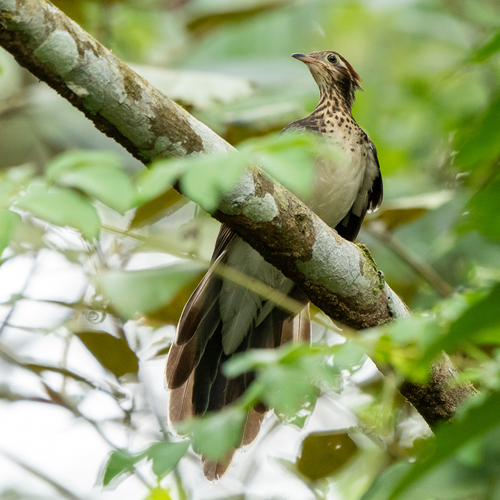 Cuclillo Faisán
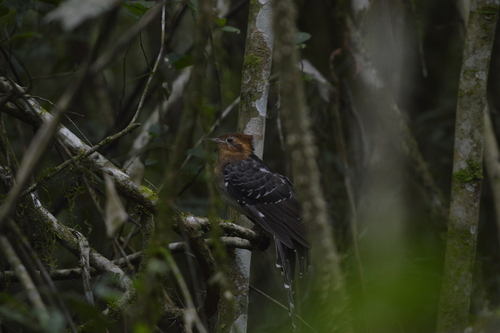 Cuclillo Pavonino
En breve
La mejor marca de campo para separar el Cuclillo Faisán del Cuclillo Pavonino es el patrón en la garganta y el pecho: el Cuclillo Faisán muestra partes inferiores mucho más pálidas con pesadas rayas negras, mientras que el Cuclillo Pavonino tiene tonos de color canela más ricos y carece de cualquier mancha o rayado oscuro en la garganta y el pecho. Ambas especies tienen una cresta de color marrón oxidado y una cola larga y graduada, pero el Cuclillo Pavonino es ligeramente más grande y tiene una coloración de partes inferiores más uniforme y oscura. En vuelo, los lentos aleteos en forma de mariposa del Cuclillo Pavonino y su cola extendida son distintivos, pero ambos son tímidos y a menudo difíciles de ver bien. Si vislumbras la cara, busca el supercilio y la garganta de color canela más ricos del Cuclillo Pavonino frente a la cara más pálida y contrastante del Cuclillo Faisán.
Consejos de identificación
- Patrón de Garganta y Pecho: El Cuclillo Faisán tiene partes inferiores de color canela pálido con pesadas rayas negras en el pecho; la garganta y el pecho del Cuclillo Pavonino son de un canela rico y completamente sin marcas. Esta es la marca de campo más confiable para todas las edades y sexos.
- Supercilio y Cara: El Cuclillo Pavonino muestra un supercilio, garganta y pecho de color canela más ricos, lo que le da a la cara un aspecto más cálido y uniforme. La cara del Cuclillo Faisán es más pálida y contrastante.
- Color de la Cresta: Ambos tienen crestas cortas de color marrón oxidado, por lo que esto no es un separador fuerte.
- Forma y Longitud de la Cola: Ambas especies tienen colas largas y graduadas, pero no se describe un patrón de cola distintivo para ninguna. Usar con precaución.
- Estilo de Vuelo: El vuelo del Cuclillo Pavonino es lento y en forma de mariposa, con la cola extendida y una pausa en la parte superior de cada aleteo. El estilo de vuelo del Cuclillo Faisán no se describe como distintivo, así que si ves este vuelo en forma de mariposa, inclínate hacia el Cuclillo Pavonino.
- Comportamiento Terrestre: Si ves al ave forrajeando en el suelo con movimientos estilizados, cabeceos y aleteos, es probable que sea el Cuclillo Faisán. El Pavonino es más arbóreo y menos probable que se vea en el suelo.
- Comportamiento de Exhibición: Los machos del Cuclillo Faisán pueden exhibirse levantando la cresta, inflando las plumas del pecho y extendiendo parcialmente las alas para mostrar manchas blancas. Esto no se describe para el Pavonino.
- Voz: Si escuchas un silbido de dos notas seguido de un trino, es el Cuclillo Faisán. El canto del Pavonino es diferente pero no se describe aquí, así que usa con precaución a menos que conozcas las canciones de ambas especies.
- Tamaño: El Cuclillo Pavonino es ligeramente más grande y pesado, pero esto es sutil y difícil de juzgar a menos que ambos se vean juntos.
- Hábitat: Ambas especies utilizan bosques tropicales de tierras bajas similares; el hábitat por sí solo no es diagnóstico.
- Parasitismo de Cría: Ambos son parásitos de cría, por lo que esto no es útil para la identificación en campo.
- Edad y Sexo: No se documentan diferencias en las marcas de campo por edad o sexo para ninguna de las especies; usa el patrón de partes inferiores y el color de la cara para todos los individuos.
- Trampas: Ambos son tímidos y a menudo se vislumbran brevemente o solo se escuchan. Las vistas pobres pueden dificultar la visualización del patrón de partes inferiores, así que intenta obtener una vista clara de la garganta y el pecho.
- Cuando Fallan las Marcas: Si no puedes ver el patrón de partes inferiores o el color de la cara, la separación es muy difícil. Usa el comportamiento (forrajeo en el suelo vs. vuelo en forma de mariposa) como una pista secundaria.
- Resumen: Siempre prioriza la presencia o ausencia de rayas oscuras en la garganta y el pecho; esta es la diferencia más consistente y visible en el campo.
Tamaño
La comparación directa de tamaño es difícil en el campo, pero el Cuclillo Pavonino es algo más grande y pesado (masa adulta ~46g [wikidata]), mientras que no hay masa disponible para el Cuclillo Faisán, pero se describe como un cuclillo grande. Ambos tienen colas largas y graduadas y crestas cortas, por lo que el aspecto general es similar, pero el Pavonino puede parecer más robusto si se ve uno al lado del otro.
Plumaje
No se documentan diferencias específicas de patrón de alas superiores o vuelo por edad para ninguna de las especies, así que enfócate en la coloración de las partes inferiores y la cara en todos los plumajes. El Cuclillo Faisán adulto muestra partes inferiores de color canela pálido con audaces rayas negras en el pecho, creando un fuerte contraste con las partes superiores de color marrón sucio oscuro. Su cresta es corta y de color marrón oxidado. El Cuclillo Pavonino, por el contrario, tiene una cabeza y cresta de color marrón oxidado, pero el resto de las partes superiores son de color marrón oscuro. Las partes inferiores son más pálidas que la espalda pero de un canela más rico en general, especialmente en el supercilio, la garganta y el pecho, y crucialmente, estas áreas están sin marcas: sin manchas ni rayas oscuras. Esta diferencia en el patrón de la garganta y el pecho es el separador visual más confiable. Ambas especies tienen colas largas y graduadas, pero los detalles del patrón de la cola no se describen como distintivos. No se documentan diferencias de plumaje específicas para juveniles o inmaduros.
Comportamiento
Ambas especies son tímidas, esquivas y más a menudo se escuchan que se ven. El Cuclillo Faisán es conocido por su estilo de forrajeo terrestre, con movimientos estilizados, cabeceos y aleteos mientras caza insectos en el suelo. Los machos se exhiben levantando la cresta y las plumas del pecho y extendiendo parcialmente las alas para mostrar manchas blancas. El Cuclillo Pavonino es principalmente solitario y se destaca por su estilo de vuelo único: aleteos lentos y medidos con una calidad en forma de mariposa y una breve pausa en la parte superior de cada aleteo, a menudo con la cola extendida. Ambos son parásitos de cría, pero esto no es útil para la separación en campo.
Hábitat
Ambas especies habitan en bosques tropicales de tierras bajas en América Central y del Sur, a menudo en crecimiento denso o secundario, por lo que el hábitat no es un separador fuerte. Ambos son secretos y tienden a permanecer ocultos en la densa cobertura, aunque el Cuclillo Faisán puede verse más a menudo en o cerca del suelo debido a sus hábitos de forrajeo terrestre.
Voz
Ambas especies se detectan más a menudo por su voz que por su vista. El canto del Cuclillo Faisán es una secuencia de dos silbidos cortos (el segundo más alto) seguido de un trino: "¡whee! ¡whee! ¡wheerr-rr!". El canto del Cuclillo Pavonino se describe como diferente, pero no se proporcionan detalles en las notas, por lo que la voz no es un separador confiable a menos que estés familiarizado con las vocalizaciones de ambas especies.