

Pallas's Grasshopper Warbler vs Forapaglie macchiettato
Helopsaltes certhiola contro Locustella naevia
Fai un quiz con Pallas's Grasshopper Warbler e Forapaglie macchiettato
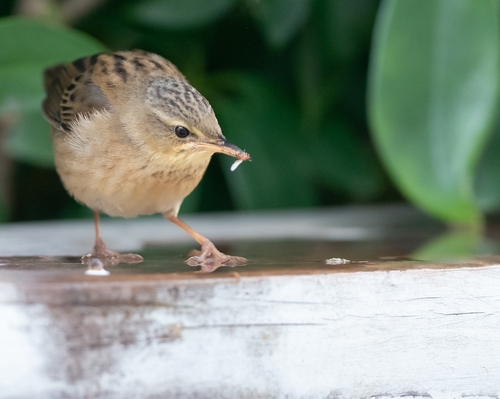 Pallas's Grasshopper Warbler
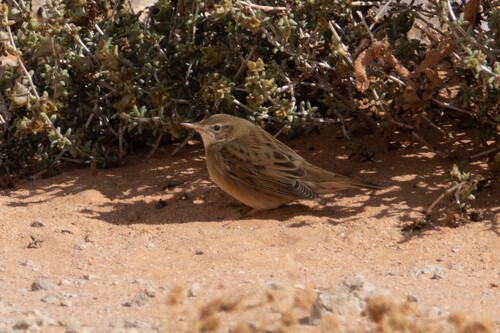 Forapaglie macchiettato
In breve
Il segno di campo più affidabile per separare il Forapaglie macchiettato dal Pallas's Grasshopper Warbler è la presenza di punte bianche sulla coda e sulle piume terziali nel Pallas's, assenti nel Common. Il Pallas's mostra anche un sopraccoda più caldo e marrone ruggine e parti inferiori grigio-biancastre senza striature, mentre il Common ha un dorso marrone oliva più chiaro, parti inferiori striate e una coda più uniforme. I giovani Pallas's sono più gialli sotto, ma entrambe le specie possono essere riservate e difficili da vedere. Il canto è una differenza chiave: il Pallas's emette un canto vario e melodico, mentre il Common produce un richiamo meccanico simile a un insetto.
Consigli di identificazione
- Punte bianche sulla coda e sulle piume terziali (solo Pallas's): Cerca punte bianche sulla coda e sulle piume terziali in qualsiasi vista, specialmente se l'uccello flette la coda o viene visto in volo. Questo è il segno più affidabile per il Pallas's di tutte le età.
- Colore del sopraccoda: Il Pallas's mostra un sopraccoda più caldo e marrone ruggine, mentre quello del Common è più uniformemente marrone-rossiccio, a volte con barre deboli. Questo è sottile ma può essere visto in buona luce o in volo.
- Striature delle parti inferiori: Il Pallas's ha parti inferiori grigio-biancastre, per lo più senza striature (eccetto per alcune striature sotto la coda). Il Common ha parti inferiori crema o giallo-buff con chiare striature scure o macchie sul petto e sui fianchi, e striature delle copritrici della coda. Se vedi forti striature sotto, è probabile che sia un Common.
- Colorazione giovanile: I giovani Pallas's sono più gialli sotto rispetto agli adulti, ma mancano ancora delle forti striature delle parti inferiori del Common. I giovani Common possono essere buffi ma dovrebbero mostrare almeno alcune striature sotto.
- Schema della coda in volo: In volo, il Pallas's può mostrare punte bianche sulla coda; la coda del Common è più uniforme e priva di bianco.
- Guancia e faccia: Il Common ha guance grigioastre e una debole striscia oculare; il pattern facciale del Pallas's è meno marcato e più uniforme.
- Canto: Se canta, il Pallas's emette un warble vario e melodico; il Common produce un lungo trill meccanico. Il canto è spesso il separatore più facile se sentito bene.
- Comportamento: Entrambi sono molto riservati, ma il Common tende spesso a flettere la coda per mostrare le copritrici della coda striate. Il Pallas's è meno propenso a farlo, e la parte inferiore della coda è meno striata.
- Habitat e distribuzione: Se in Europa o nel Palearctico occidentale, è quasi certamente un Common. Nella parte orientale dell'Asia, è più probabile che sia un Pallas's. In India, entrambe possono verificarsi in migrazione o in inverno, quindi usa il piumaggio e il canto.
- Dimensioni: Il Pallas's è leggermente più grande, ma questo è raramente utile a meno che entrambi non siano affiancati.
- Colore delle gambe: Entrambi hanno gambe giallo-brunastre chiare; non è un separatore utile.
- Stile di volo: Entrambi volano bassi e brevemente, tuffandosi presto di nuovo nel riparo. Se vedi un lampo bianco nella coda, favorisci il Pallas's.
- Sesso e età: Entrambi i sessi sono simili in entrambe le specie; le differenze di età sono principalmente nel colore delle parti inferiori (i giovani Pallas's sono più gialli, i giovani Common sono buffi e striati).
- Striature delle parti superiori: Entrambi hanno dorso marrone striato, ma quello del Common è più chiaro marrone oliva con ogni piuma striata centralmente. Il Pallas's è più scuro e più uniforme.
- Trappola: Non fare affidamento su un colore marrone generale o un comportamento riservato; concentrati sul pattern della coda e delle piume terziali, sulle striature delle parti inferiori e sul canto per un'identificazione sicura.
Taglia
Il Pallas's Grasshopper Warbler è leggermente più grande del Forapaglie macchiettato, ma la differenza è sottile e raramente diagnostica sul campo. Entrambi sono warbler di dimensioni medie, e a meno che non siano visti affiancati, la dimensione non è un separatore affidabile. L'adulto Forapaglie macchiettato misura circa 12,5 cm di lunghezza e pesa 11,5–16 grammi [wikipedia]. Il Pallas's è descritto come 'leggermente più grande' ma non sono forniti dati precisi nelle fonti.
Piumaggio
La caratteristica di piumaggio più diagnostica è la bianca punte sulla coda e sulle piume terziali nel Pallas's Grasshopper Warbler (tutte le età), che mancano nel Common. Il Pallas's ha anche un sopraccoda più caldo e marrone ruggine, mentre la coda del Common è più uniformemente marrone-rossiccia con barre deboli. Le parti superiori di entrambi sono marroni striate, ma quelle del Common sono più chiare marrone oliva con ogni piuma striata centralmente, e le sue guance sono grigioastre. Le parti inferiori differiscono: il Pallas's ha parti inferiori grigio-biancastre, per lo più senza striature (eccetto per la parte inferiore della coda), mentre il Common mostra parti inferiori crema o giallo-buff con chiare striature scure o macchie sul petto e sui fianchi, e copritrici della coda striate. I giovani Pallas's sono più gialli sotto, il che può sovrapporsi con i toni buff dei giovani Common, ma le punte bianche della coda e la pancia senza striature rimangono utili. In volo, cerca il bianco nella coda e nelle piume terziali del Pallas's; il Common manca di questi contrasti.
Comportamento
Entrambe le specie sono estremamente riservate e preferiscono strisciare attraverso erba densa o vegetazione bassa, mostrando raramente se stesse tranne quando cantano. Entrambi possono correre o muoversi lungo i fusti. Il Forapaglie macchiettato è noto per il suo passo alto e la tendenza a flettere la coda, mostrando le copritrici della coda striate. Il Pallas's è altrettanto riservato ma può essere visto più facilmente quando canta. Il volo è breve e basso in entrambi, ma il Pallas's può mostrare punte bianche sulla coda se infastidito.
Habitat
Il Pallas's Grasshopper Warbler nidifica nel Palearctico orientale (dalle Montagne Altai attraverso la Mongolia, NE Cina, Corea e isole vicine) e sverna dall'India all'Indonesia. Il Forapaglie macchiettato nidifica in tutta l'Europa temperata e nel Palearctico occidentale, svernando nell'Africa tropicale settentrionale e localmente in India. Entrambi preferiscono aree di erba densa e ruvida o cespugliose, ma le loro aree di distribuzione si sovrappongono solo in alcune parti dell'Asia centrale e dell'India. La struttura dell'habitat è simile: erba umida o secca con copertura, bordi di torbiere, radure o giovani piantagioni.
Voce
Il Pallas's Grasshopper Warbler ha un canto melodico e inventivo che ricorda i warbler del genere Acrocephalus, non il richiamo meccanico di Locustella. Il Forapaglie macchiettato emette un lungo trill reeling acuto (come il mulinello di un pescatore o un tosaerba lontano), che è continuo, ventriloquo e molto difficile da localizzare. Questo canto è diagnostico dove è sentito bene: il Pallas's non fa mai il richiamo, il Common non emette mai un warble melodico.
Pallas's Grasshopper Warbler · Forapaglie macchiettato · I miei uccelli difficili