

Ovenbird vs Northern Waterthrush
Seiurus aurocapilla contro Parkesia noveboracensis
Fai un quiz con Ovenbird e Northern Waterthrush
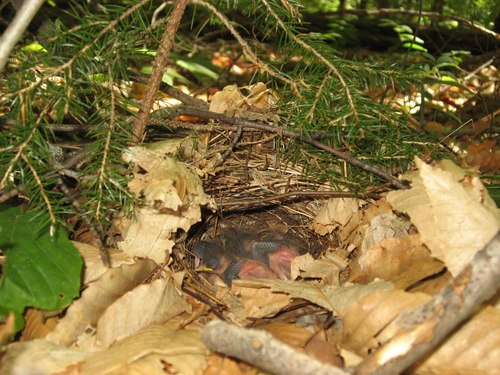 Ovenbird
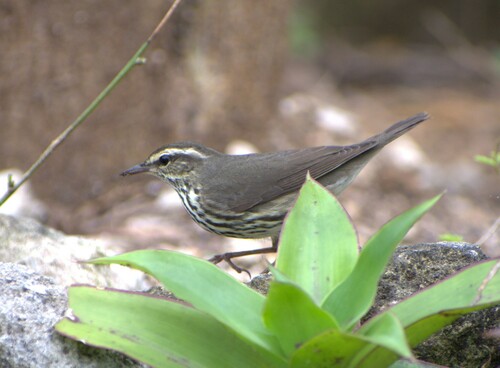 Northern Waterthrush
In breve
Il segno distintivo più affidabile tra Ovenbird e Northern Waterthrush è il motivo della testa: Ovenbird mostra una audace striscia arancione sulla corona bordata di nero (spesso nascosta negli immaturi), mentre Northern Waterthrush ha un ampio sopracciglio bianco e non presenta strisce arancioni o nere sulla corona. Gli Ovenbird immaturi possono nascondere la corona arancione con punte olivastre, ma mancano comunque del forte sopracciglio bianco del waterthrush. Entrambi sono grandi, warblers che camminano a terra con parti inferiori striate, ma l'Ovenbird è olivastro sopra e ha una forma più rotonda e simile a un tordo, mentre il Northern Waterthrush è più marrone e ha una coda più lunga. Fai attenzione all'abitudine dell'Ovenbird di muovere la coda su e giù, rispetto al costante dondolio del waterthrush e alla preferenza per gli habitat umidi.
Consigli di identificazione
- Crown stripe (adults): Ovenbird mostra una audace striscia arancione sulla corona bordata di nero, visibile in buona luce e spesso sollevata in una piccola cresta. Northern Waterthrush non ha alcuna striscia sulla corona e ha invece una corona marrone semplice.
- Crown in immatures: Gli Ovenbird immaturi possono avere la striscia arancione sulla corona quasi o completamente nascosta da ampie punte verde oliva, rendendo la testa più uniformemente olivastra. Tuttavia, mancano del forte sopracciglio bianco del waterthrush.
- Supercilium: Northern Waterthrush mostra sempre un ampio e forte sopracciglio bianco o color crema (supercilium) dal becco fino alla nuca, un segno chiave a tutte le età. Ovenbird non ha alcun supercilium, mostrando invece un anello oculare bianco.
- Eyering: Ovenbird ha un anello oculare bianco completo; Northern Waterthrush no—il suo occhio è situato in un volto marrone semplice con il forte supercilium sopra.
- Malar (mustache) stripe: Ovenbird ha una striscia malare scura sotto la guancia, in contrasto con la gola bianca. Il volto del Northern Waterthrush è più semplice, con il supercilium come caratteristica principale.
- Underpart streaking: Entrambi sono striati sotto, ma le strisce dell'Ovenbird sono più audaci sul petto e svaniscono sul ventre e sui fianchi (che sono di tonalità olivastra). Le strisce del Northern Waterthrush sono più uniformi dalla gola ai fianchi e sono marroni.
- Throat: La gola dell'Ovenbird è bianca pulita; quella del Northern Waterthrush è leggermente striata.
- Back color: Ovenbird è marrone-olivastro sopra; Northern Waterthrush è più uniformemente marrone, privo di qualsiasi tonalità olivastra.
- Tail and jizz: Ovenbird è compatto, con una coda piuttosto corta e un corpo rotondo. Northern Waterthrush è più lungo, più snello e ha una coda più lunga.
- Tail movement: Ovenbird spesso muove la coda su e giù, specialmente quando è allarmato. Northern Waterthrush dondola costantemente il suo posteriore mentre cammina, dando un aspetto dondolante.
- Habitat: Ovenbird preferisce foreste mature secche o mesiche, spesso lontano dall'acqua. Northern Waterthrush è quasi sempre vicino all'acqua—ruscelli, torbiere o bordi di stagni.
- Flight: In volo, Ovenbird appare compatto e arrotondato; Northern Waterthrush appare più lungo e snello.
- Juvenile/immature marks: Gli Ovenbird immaturi possono mostrare margini fulvi alle terziarie e copritrici primarie esterne con punte color crema, ma questi sono sottili e non facilmente visibili sul campo. I Northern Waterthrush immaturi hanno parti inferiori color crema ma mostrano sempre il forte supercilium.
- Voice: Il canto dell'Ovenbird è un forte, ritmico 'teacher-teacher-teacher'; quello del Northern Waterthrush è una serie più variabile, musicale di cinguettii, che spesso scendono di tono.
- Season and context: Entrambe le specie sono migratorie e possono sovrapporsi nella migrazione, ma l'habitat e il comportamento rimangono indizi affidabili—Ovenbird nei boschi secchi, Northern Waterthrush lungo l'acqua.
Taglia
Entrambe le specie sono tra i più grandi wood-warblers nordamericani e si sovrappongono in dimensioni, ma Ovenbird è leggermente più robusto in media (Ovenbird: 11–16 cm di lunghezza, 19–26 cm di apertura alare, 14–28.8 g; Northern Waterthrush: 12–15 cm di lunghezza, 21–24 cm di apertura alare, 13–25 g) [wikipedia][avonet]. Ovenbird tende a sembrare più compatto e rotondo, mentre Northern Waterthrush appare più lungo e snello, con una coda relativamente più lunga. Le lunghezze del becco e del tarso sono simili e non sono affidabili per la separazione sul campo.
Piumaggio
Gli Ovenbird giovanili e immaturi hanno punte verde oliva alle piume della corona che possono quasi o completamente oscurare la striscia arancione sulla corona, rendendo la testa più uniformemente olivastra e meno appariscente rispetto agli adulti. Mostrano anche margini fulvi alle terziarie e a volte copritrici primarie esterne con punte color crema, ma questi sono sottili e non visibili a distanza. Al contrario, i Northern Waterthrush immaturi hanno parti inferiori color crema (non bianche) ma mostrano sempre un forte supercilium bianco o color crema e mancano di qualsiasi striscia arancione o nera sulla corona. A tutte le età, Ovenbird è marrone-olivastro sopra con un audace anello oculare bianco e una striscia malare scura, mentre Northern Waterthrush è uniformemente marrone sopra, con un ampio supercilium bianco e senza anello oculare. Entrambi sono pesantemente striati sotto, ma le strisce dell'Ovenbird sono concentrate sul petto, mentre le strisce del Northern Waterthrush si estendono sui fianchi e sono più diffuse. La gola del Northern Waterthrush è leggermente striata, mentre quella dell'Ovenbird è più pulita. I fianchi dell'Ovenbird sono di tonalità olivastra, mentre i fianchi del Northern Waterthrush sono marroni e più pesantemente striati.
Comportamento
Ovenbird cerca cibo a terra nel fogliame secco, spesso negli interni delle foreste mature, e cammina con un distintivo movimento di flicking della coda—sollevando e abbassando lentamente la coda, specialmente quando è allarmato. Northern Waterthrush cammina anche piuttosto che saltare, ma è più probabile vederlo lungo i bordi dell'acqua (ruscelli, torbiere, stagni), e dondola costantemente il suo posteriore mentre si muove. Entrambe le specie sono alimentatori a terra, ma i movimenti dell'Ovenbird sono più deliberati e meno dondolanti rispetto a quelli del waterthrush. In volo, Ovenbird appare più compatto e arrotondato, mentre Northern Waterthrush appare più lungo e snello.
Habitat
Ovenbird si trova più spesso in foreste decidue mature, secche o mesiche, specialmente lontano dall'acqua, cercando cibo nel fogliame. Northern Waterthrush è fortemente associato a habitat umidi—bordi di ruscelli, torbiere, paludi e margini di stagni—dove cammina lungo le rive fangose o in acque poco profonde. Trovare un warbler striato a terra in una foresta secca di collina favorisce fortemente l'Ovenbird; lungo l'acqua, specialmente a nord, il Northern Waterthrush è molto più probabile.
Voce
Il canto dell'Ovenbird è un forte, ripetuto 'teacher-teacher-teacher', che aumenta di volume, mentre il Northern Waterthrush emette una serie di note di cinguettio forti, enfatiche e chiare che generalmente scendono di tono e accelerano, spesso accoppiate o triplicate in modo lasco. Il richiamo del waterthrush è un forte 'spwik' o un ronzio 'zzip', mentre il richiamo dell'Ovenbird è un 'chik' acuto. Entrambi sono forti e distintivi, ma il canto dell'Ovenbird è più ritmico e monotono, mentre quello del waterthrush è più variabile e musicale.