

Reinita Hornera vs Reinita Charquera Norteña
Seiurus aurocapilla frente a Parkesia noveboracensis
Juega un quiz con Reinita Hornera y Reinita Charquera Norteña
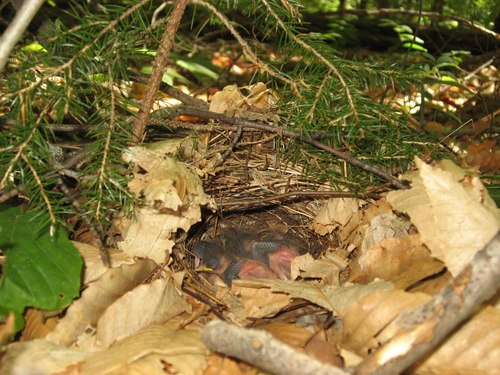 Reinita Hornera
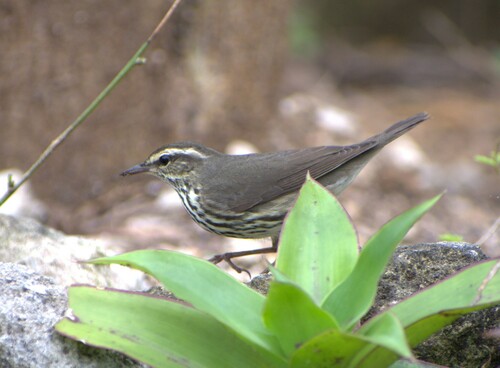 Reinita Charquera Norteña
En breve
La marca de campo más confiable entre la Reinita Hornera y la Reinita Charquera Norteña es el patrón de la cabeza: la Reinita Hornera muestra una audaz franja naranja en la corona bordeada de negro (a menudo oculta en los inmaduros), mientras que la Reinita Charquera Norteña tiene un amplio supercilio blanco y carece de franjas naranjas o negras en la corona. Las Reinita Hornera inmaduras pueden ocultar la corona naranja con puntas olivas, pero aún carecen de la fuerte ceja blanca de la charquera. Ambas son grandes, warblers que caminan por el suelo con partes inferiores rayadas, pero la Reinita Hornera es oliva por encima y tiene una apariencia más redonda y similar a un zorzal, mientras que la Reinita Charquera Norteña es más marrón y tiene una cola más larga. Observa el hábito de la Reinita Hornera de mover su cola hacia arriba y hacia abajo, en contraste con el constante movimiento de la parte trasera de la charquera y su preferencia por hábitats húmedos.
Consejos de identificación
- Franja de la corona (adultos): La Reinita Hornera muestra una audaz franja naranja en la corona bordeada de negro, visible en buena luz y a menudo levantada en una pequeña cresta. La Reinita Charquera Norteña carece de cualquier franja en la corona y en su lugar tiene una corona marrón simple.
- Corona en inmaduros: Las Reinita Hornera inmaduras pueden tener la franja naranja de la corona casi o completamente oculta por amplias puntas de color verde oliva, haciendo que la cabeza luzca más uniformemente oliva. Aún así, carecen del fuerte supercilio blanco de la charquera.
- Supercilio: La Reinita Charquera Norteña siempre muestra un amplio y fuerte supercilio blanco o amarillento (supercilio) desde el pico hasta la nuca, una marca clave en todas las edades. La Reinita Hornera carece de cualquier supercilio, mostrando en su lugar un anillo ocular blanco.
- Anillo ocular: La Reinita Hornera tiene un anillo ocular blanco completo; la Reinita Charquera Norteña no lo tiene: su ojo está situado en una cara marrón simple con el fuerte supercilio arriba.
- Franja malar (bigote): La Reinita Hornera tiene una franja malar oscura debajo de la mejilla, contrastando con la garganta blanca. La cara de la Reinita Charquera Norteña es más simple, con el supercilio como la característica principal.
- Rayado en las partes inferiores: Ambas tienen partes inferiores rayadas, pero las rayas de la Reinita Hornera son más audaces en el pecho y se desvanecen en el vientre y los flancos (que son de tono oliva). Las rayas de la Reinita Charquera Norteña son más uniformes desde la garganta hasta los flancos y son marrones.
- Garganta: La garganta de la Reinita Hornera es blanca limpia; la de la Reinita Charquera Norteña está ligeramente rayada.
- Color de la espalda: La Reinita Hornera es marrón oliva por encima; la Reinita Charquera Norteña es más uniformemente marrón, careciendo de cualquier tono oliva.
- Cola y apariencia: La Reinita Hornera es compacta, con una cola corta y un cuerpo redondo. La Reinita Charquera Norteña es más larga, más delgada y tiene una cola más larga.
- Movimiento de la cola: La Reinita Hornera a menudo mueve su cola hacia arriba y hacia abajo, especialmente cuando está alarmada. La Reinita Charquera Norteña constantemente mueve su parte trasera mientras camina, dando una apariencia tambaleante.
- Hábitat: La Reinita Hornera prefiere bosques maduros secos o mesófilos, a menudo lejos del agua. La Reinita Charquera Norteña está casi siempre cerca del agua: arroyos, pantanos o bordes de estanques.
- Vuelo: En vuelo, la Reinita Hornera se ve compacta y redondeada; la Reinita Charquera Norteña parece más larga y delgada.
- Marcas juveniles/inmaduros: Las Reinita Hornera inmaduras pueden mostrar bordes amarillentos en las terciarias y cubiertas primarias externas con puntas amarillentas, pero estas son sutiles y no se ven fácilmente en el campo. Las Reinita Charquera Norteña inmaduras tienen partes inferiores amarillentas pero conservan el fuerte supercilio.
- Voz: El canto de la Reinita Hornera es un fuerte y rítmico 'teacher-teacher-teacher'; el de la Reinita Charquera Norteña es una serie más variable y musical de trinos, que a menudo disminuyen en tono.
- Temporada y contexto: Ambas especies son migratorias y pueden superponerse en migración, pero el hábitat y el comportamiento siguen siendo pistas confiables: la Reinita Hornera en bosques secos, la Reinita Charquera Norteña a lo largo del agua.
Tamaño
Ambas especies están entre las más grandes de los warblers de América del Norte y se superponen en tamaño, pero la Reinita Hornera es ligeramente más robusta en promedio (Reinita Hornera: 11–16 cm de longitud, 19–26 cm de envergadura, 14–28.8 g; Reinita Charquera Norteña: 12–15 cm de longitud, 21–24 cm de envergadura, 13–25 g) [wikipedia][avonet]. La Reinita Hornera tiende a verse más compacta y con un cuerpo redondo, mientras que la Reinita Charquera Norteña parece más larga y delgada, con una cola relativamente más larga. Las longitudes del pico y del tarso son similares y no son confiables para la separación en el campo.
Plumaje
Las Reinita Hornera juveniles e inmaduras tienen puntas de color verde oliva en las plumas de la corona que pueden casi o completamente ocultar la franja naranja de la corona, haciendo que la cabeza luzca más uniformemente oliva y menos llamativa que en los adultos. También muestran bordes amarillentos en las terciarias y a veces cubiertas primarias externas con puntas amarillentas, pero estas son sutiles y no visibles a distancia. En contraste, las Reinita Charquera Norteña inmaduras tienen partes inferiores amarillentas (no blancas) pero siempre muestran un fuerte supercilio blanco o amarillento y carecen de cualquier franja naranja o negra en la corona. En todas las edades, la Reinita Hornera es marrón oliva por encima con un audaz anillo ocular blanco y una franja malar oscura (bigote), mientras que la Reinita Charquera Norteña es uniformemente marrón por encima, con un amplio supercilio blanco y sin anillo ocular. Ambas están fuertemente rayadas por debajo, pero las rayas de la Reinita Hornera están concentradas en el pecho, mientras que las rayas de la Reinita Charquera Norteña se extienden a los flancos y son más difusas. La garganta de la Reinita Charquera Norteña está ligeramente rayada, mientras que la de la Reinita Hornera es más limpia. Los flancos de la Reinita Hornera son de tono oliva, mientras que los flancos de la Reinita Charquera Norteña son marrones y más fuertemente rayados.
Comportamiento
La Reinita Hornera forrajea en el suelo en hojarasca seca, a menudo en interiores de bosques maduros, y camina con un distintivo movimiento de sacudida de cola: levantando y bajando lentamente su cola, especialmente cuando está alarmada. La Reinita Charquera Norteña también camina en lugar de saltar, pero es más probable que se vea a lo largo de los bordes del agua (arroyos, pantanos, estanques), y constantemente mueve su parte trasera mientras se mueve. Ambas especies son alimentadoras del suelo, pero los movimientos de la Reinita Hornera son más deliberados y menos tambaleantes que los de la charquera. En vuelo, la Reinita Hornera parece más compacta y redondeada, mientras que la Reinita Charquera Norteña se ve más larga y delgada.
Hábitat
La Reinita Hornera se encuentra más a menudo en bosques deciduos o mixtos maduros, secos o mesófilos, especialmente lejos del agua, forrajeando en la hojarasca. La Reinita Charquera Norteña está fuertemente asociada con hábitats húmedos: bordes de arroyos, pantanos, ciénagas y márgenes de estanques, donde camina a lo largo de bancos fangosos o en aguas poco profundas. Encontrar un warbler de suelo rayado en un bosque seco de tierras altas favorece fuertemente a la Reinita Hornera; a lo largo del agua, especialmente en el norte, la Reinita Charquera Norteña es mucho más probable.
Voz
El canto de la Reinita Hornera es un fuerte y repetido 'teacher-teacher-teacher', que aumenta en volumen, mientras que la Reinita Charquera Norteña emite una serie de notas de trinos claras, fuertes y enfáticas que generalmente disminuyen en tono y aceleran, a menudo emparejadas o triplicadas de manera suelta. El llamado de la charquera es un fuerte y duro 'spwik' o un zumbido 'zzip', mientras que el llamado de la Reinita Hornera es un agudo 'chik'. Ambos son fuertes y distintivos, pero el canto de la Reinita Hornera es más rítmico y monótono, mientras que el de la charquera es más variable y musical.
Reinita Hornera · Reinita Charquera Norteña · Mis aves difíciles