

Ochre-breasted Foliage-gleaner vs Buff-browed Foliage-gleaner
Anabacerthia lichtensteini contro Syndactyla rufosuperciliata
Fai un quiz con Ochre-breasted Foliage-gleaner e Buff-browed Foliage-gleaner
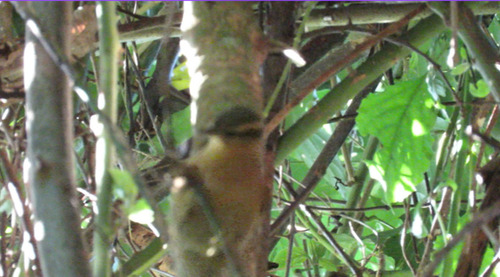 Ochre-breasted Foliage-gleaner
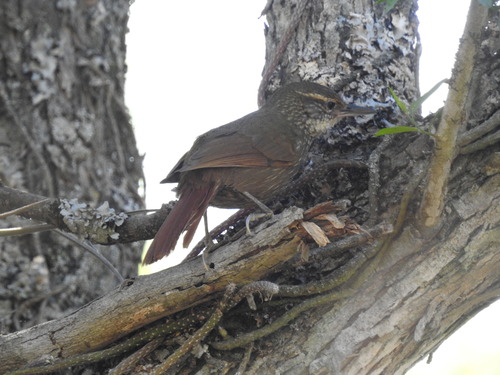 Buff-browed Foliage-gleaner
In breve
Per separare l'Ochre-breasted Foliage-gleaner dal Buff-browed Foliage-gleaner, concentrati sul modello del viso e sulla colorazione delle parti inferiori. L'Ochre-breasted mostra un supercilium e un anello oculare di colore ocra ben definiti, con una gola ocra brillante e parti inferiori uniformemente color buff, mentre il Buff-browed ha un supercilium più chiaro e allungato, una gola biancastra con punte marroni e parti inferiori fortemente striate o scallopate, di colore oliva-marrone. Anche la struttura del becco differisce: l'Ochre-breasted ha un becco più corto e a forma di cuneo, mentre quello del Buff-browed è più spesso e leggermente ricurvo. Le parti inferiori dei giovani differiscono: i giovani dell'Ochre-breasted hanno punte grigie e un buff meno uniforme, mentre i giovani del Buff-browed mostrano parti inferiori macchiate. Entrambe le specie si sovrappongono in termini di distribuzione e habitat, quindi prestare attenzione a questi dettagli è essenziale.
Consigli di identificazione
- Supercilium e Anello Oculare: L'Ochre-breasted mostra un supercilium e un anello oculare di colore ocra ben definiti, in contrasto con una banda post-oculare scura e copritrici auricolari rufescenti-ocre. Il supercilium del Buff-browed è più chiaro, di un buff più tawny, e si estende più indietro (a volte fino alla nuca), con un viso complessivamente meno contrastante.
- Gola e Malar: L'Ochre-breasted ha una gola e un'area malare di un buff ocra brillante, che si distingue rispetto al resto del viso. La gola del Buff-browed è biancastra con punte di piume marroni, spesso appare scallopata o sporca, e manca del ricco tono ocra.
- Parti Inferiori: Le parti inferiori dell'Ochre-breasted sono uniformemente di un buff ocra (più ricco sul petto superiore, più opaco sotto), con poche o nessuna striatura. Le parti inferiori del Buff-browed sono di un bianco buff con forti scallopature o striature oliva-marroni, specialmente sul petto e sull'addome, che svaniscono verso il retro. Questa striatura è un segno distintivo per il Buff-browed.
- Parti Inferiori dei Giovani: I giovani dell'Ochre-breasted mostrano parti inferiori di un buff meno uniforme con punte grigie; i giovani del Buff-browed hanno parti inferiori macchiate (non striate). Se vedi macchie chiare sotto, favorisci il Buff-browed.
- Struttura del Becco: L'Ochre-breasted ha il becco più corto e a forma di cuneo del suo genere, che appare compatto e dritto. Il becco del Buff-browed è più spesso, più lungo e leggermente ricurvo, dando un aspetto di testa più pesante.
- Corona e Schiena: L'Ochre-breasted ha una corona di un grigio-marrone opaco con vaghe striature chiare e una schiena marrone rufescente. La corona del Buff-browed è di un oliva-marrone opaco con vaghe striature bianche sul retro, e la schiena è di un oliva-marrone uniforme (a volte più marrone o castano nelle sottospecie).
- Colore della Coda: La coda dell'Ochre-breasted è per lo più rufescenti con membrane esterne marroni rufescenti sulle piume più interne. La coda del Buff-browed è di un rufescenti opaco, a volte con una sfumatura castana in alcune sottospecie, ma generalmente meno brillante rispetto all'Ochre-breasted.
- Colore delle Ali: Le ali dell'Ochre-breasted sono di un marrone rufescente con punte più scure sulle piume di volo. Le ali del Buff-browed sono di un marrone olivaceo ricco, che corrisponde più da vicino alla schiena.
- Modello del Viso: Il viso dell'Ochre-breasted è più nettamente marcato, con una banda marrone scura dietro l'occhio e copritrici auricolari rufescenti-ocre opache. Il viso del Buff-browed è più marrone con piccole marcature buff e meno contrasto complessivamente.
- Colore delle Gambe e del Becco: Entrambi hanno colori delle gambe simili (grigio verdastro a oliva), ma il becco dell'Ochre-breasted è grigio marrone sopra, grigio chiaro sotto; quello del Buff-browed è più scuro sopra, più chiaro sotto, a volte blu-grigio.
- Dimensioni e Struttura: Il Buff-browed è notevolmente più grande e pesante, con un corpo più massiccio e una coda più lunga. In confronto diretto, l'Ochre-breasted appare più compatto.
- Trappole del Piumaggio: Le sottospecie del Buff-browed possono mostrare toni più ocra o castani, ma sempre con più striature o scallopature sotto rispetto all'Ochre-breasted. Non fare affidamento solo sul tono di colore complessivo.
- Habitat/Distribuzione: Entrambe le specie si sovrappongono in gran parte della loro distribuzione e habitat, quindi non utilizzare la posizione o il tipo di foresta come separatore principale dove entrambe si trovano.
- Voli e Visioni in Posato: In volo, concentrati sulla striatura delle parti inferiori (Buff-browed) rispetto all'ocra uniforme (Ochre-breasted). In posato, controlla il modello del viso e la forma del becco.
- Sesso e Stagione: Entrambe le specie sono sessualmente monomorfiche e mostrano poche variazioni stagionali nel piumaggio adulto. Il modello delle parti inferiori legato all'età è il principale indizio stagionale/di età.
Taglia
Il Buff-browed Foliage-gleaner è costantemente più grande e pesante (17–18 cm, 22–33 g; massa media 25.6 g) rispetto all'Ochre-breasted (15–17 cm, 18–24 g; massa media 21.0 g) [wikidata]. Sul campo, questa differenza può essere sottile, ma il Buff-browed appare spesso più massiccio e con una coda più lunga. Anche la dimensione del becco è un indizio: il becco del Buff-browed è visibilmente più spesso e lungo, con una leggera curvatura, rispetto al becco più corto e a forma di cuneo dell'Ochre-breasted.
Piumaggio
- Giovani: I giovani dell'Ochre-breasted hanno parti inferiori meno uniformemente colorate con punte grigie, mentre i giovani del Buff-browed mostrano parti inferiori macchiate (non striate). Questa differenza è sottile ma può essere utile se vista bene.
- Adulti: L'Ochre-breasted ha un supercilium e un anello oculare di colore ocra ben definiti, una gola e un malar di un buff ocra brillante, e parti inferiori uniformemente color ocra-buff. La sua schiena e le sue ali sono di un marrone rufescente, e la coda è per lo più rufescenti. Il Buff-browed, al contrario, ha un supercilium più chiaro e lungo (da tawny-buff a pallido, a volte estendendosi fino alla nuca), una gola biancastra con punte marroni, e parti inferiori che sono di un bianco buff con bordi di piume oliva-marroni, creando un effetto scallopato o striato. La schiena e le ali sono di un oliva-marrone, e la coda è di un rufescenti opaco. Le sottospecie del Buff-browed possono mostrare toni più castani o ocra, ma sempre con più striature o scallopature sotto rispetto all'Ochre-breasted.
Comportamento
Entrambe le specie sono attivi foliage-gleaners, tipicamente foraggiando nel sottobosco fino alla chioma. Non sono state notate differenze comportamentali significative nelle fonti. Entrambi possono unirsi a stormi di specie miste e muoversi metodicamente attraverso una fitta vegetazione, raramente posandosi in modo aperto per lungo tempo.
Habitat
Entrambe le specie si sovrappongono in gran parte della loro distribuzione (Argentina, Brasile, Paraguay) e si trovano in habitat forestali simili. Il Buff-browed ha una distribuzione più ampia, estendendosi in Bolivia, Ecuador, Perù e Uruguay. L'habitat da solo non è diagnostico dove le loro distribuzioni si sovrappongono.
Ochre-breasted Foliage-gleaner · Buff-browed Foliage-gleaner · I miei uccelli difficili