

Nuttall's Woodpecker vs Red-cockaded Woodpecker
Dryobates nuttallii contro Leuconotopicus borealis
Fai un quiz con Nuttall's Woodpecker e Red-cockaded Woodpecker
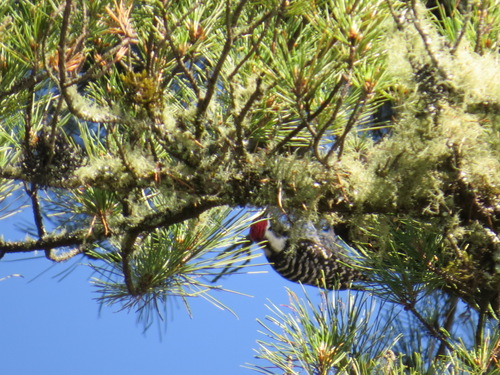 Nuttall's Woodpecker
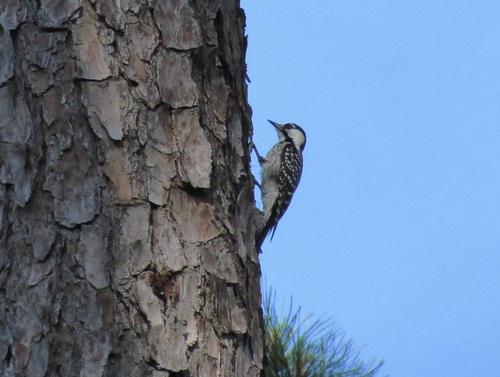 Red-cockaded Woodpecker
In breve
Il segno di campo più affidabile tra Nuttall's Woodpecker e Red-cockaded Woodpecker è il motivo del viso: Red-cockaded mostra grandi e chiare macchie bianche sulle guance circondate da un cappuccio e una nuca neri, mentre Nuttall's ha una fronte nera con striature bianche e manca di tali audaci macchie sulle guance. Entrambe le specie hanno schiene a strisce bianche e nere, ma Nuttall's ha una distintiva macchia nera non a strisce nella parte superiore della schiena, che Red-cockaded non ha. I maschi giovanili e adulti di Nuttall's mostrano una macchia rossa sulla corona (le femmine e i giovanili più grandi possono mancare o ridurre questo), mentre la 'cockade' rossa del maschio Red-cockaded è piccola, raramente visibile e non forma mai una macchia sulla corona. In volo o posati, concentrati sul motivo del viso e della parte superiore della schiena per la separazione più rapida.
Consigli di identificazione
- Motivo del viso: Red-cockaded Woodpecker ha grandi e chiare macchie bianche sulle guance circondate da un cappuccio e una nuca neri—questo è il segno di campo più diagnostico. Nuttall's ha una fronte nera con striature bianche e manca di tali audaci macchie sulle guance.
- Motivo della parte superiore della schiena: Nuttall's mostra una macchia nera non a strisce nella parte superiore della schiena; la schiena di Red-cockaded è uniformemente a strisce bianche e nere senza macchia nera solida.
- Colore della corona (età/sesso): Il maschio adulto di Nuttall's e tutti i giovanili mostrano una macchia rossa sulla corona; la femmina adulta di Nuttall's manca di questo. I maschi Red-cockaded hanno solo una piccola e difficile da vedere striscia rossa ('cockade') sul lato del cappuccio nero, non una macchia sulla corona; le femmine mancano completamente di rosso.
- Striature della testa nei giovanili: I giovanili di Nuttall's mostrano striature bianche sulla testa; i giovanili di Red-cockaded non lo fanno.
- Dimensioni e struttura: Red-cockaded è leggermente più grande e pesante, con un becco leggermente più lungo, ma questo è sottile e non sempre affidabile sul campo.
- Striature delle ali e della coda: Entrambe le specie hanno ali e code a strisce bianche e nere, quindi questo non è un separatore affidabile.
- Aspetto in volo: In volo, la macchia bianca sulle guance di Red-cockaded può lampeggiare, mentre Nuttall's mostra un viso più striato e la macchia nera sulla parte superiore della schiena.
- Habitat: Nuttall's è quasi esclusivamente nelle foreste di querce della California; Red-cockaded si trova solo nelle foreste di pini maturi del Sud-est. L'habitat da solo può spesso confermare l'identificazione.
- Comportamento: Red-cockaded è spesso in gruppi familiari e cerca cibo in alto nei pini; Nuttall's è più solitario o in coppie e cerca cibo più in basso nelle querce.
- Battiti e richiami: Nuttall's emette richiami sussurranti e battiti durante la stagione di riproduzione; le vocalizzazioni di Red-cockaded non sono dettagliate qui.
- Identificazione tramite segno rosso: Solo i maschi di Nuttall's (e tutti i giovanili) mostrano una corona rossa; la cockade rossa di Red-cockaded è piccola e sul lato del cappuccio, raramente visibile.
- Trappole del piumaggio: Entrambi possono essere confusi con altri picchi a schiena striata, ma il motivo del viso e della parte superiore della schiena sono la chiave per questa coppia.
- Gamma geografica: Se al di fuori della California o del Sud-est, nessuna delle due specie è probabile; controlla per vagabondaggio ma aspettati altre specie.
- Viste posate vs. in volo: Il viso e la parte superiore della schiena sono meglio visti quando posati; in volo, cerca la macchia bianca sulle guance (Red-cockaded) o la macchia nera sulla parte superiore della schiena (Nuttall's).
- Confusione nei giovanili: Se vedi un giovanile con testa striata e una macchia rossa sulla corona nelle querce della California, è Nuttall's; un giovanile con viso pulito in una foresta di pini è probabilmente Red-cockaded.
Taglia
Red-cockaded Woodpecker è leggermente più grande e pesante (massa corporea ~47 g, lunghezza 18–23 cm, apertura alare 34–41 cm) rispetto a Nuttall's Woodpecker (massa corporea ~38 g, lunghezza 16–18 cm, apertura alare 38–43 cm). La differenza di dimensioni è sottile e potrebbe non essere ovvia sul campo a meno che entrambe le specie non siano viste fianco a fianco, ma Red-cockaded tende a sembrare un po' più robusto e con un becco più lungo.
Piumaggio
- Giovanili/immaturi: I giovanili di Nuttall's di entrambi i sessi mostrano alcune striature bianche sulla testa e una macchia rossa sulla corona, che manca nei giovanili di Red-cockaded (i cui maschi hanno solo una piccola e rara striscia rossa sul lato del cappuccio). Entrambe le specie hanno schiene a strisce bianche e nere, ma Nuttall's mostra una distintiva macchia nera non a strisce nella parte superiore della schiena, mentre le striature di Red-cockaded sono più continue.
- Adulti: I maschi adulti di Nuttall's mantengono la macchia rossa sulla corona (persa nelle femmine), mentre i maschi di Red-cockaded hanno una cockade rossa molto piccola e difficile da vedere sul lato del cappuccio nero. Il viso di Red-cockaded è notevolmente marcato con una grande macchia bianca sulle guance circondata da nero, a differenza del viso più striato e meno contrastato di Nuttall's. Entrambi hanno ali e code a strisce, ma i motivi del viso e della parte superiore della schiena sono più diagnostici.
- In volo: Entrambi mostrano parti superiori a strisce bianche e nere, ma la macchia bianca sulle guance di Red-cockaded è spesso visibile anche in volo, mentre Nuttall's mostra un viso più striato e la macchia nera sulla parte superiore della schiena non a strisce.
Comportamento
Entrambe le specie cercano cibo battere e sbucciando la corteccia per gli insetti, ma Red-cockaded è più probabile che venga visto in gruppi familiari a causa della sua riproduzione cooperativa, mentre Nuttall's è solitamente solitario o in coppie al di fuori della stagione di riproduzione. Nuttall's è più probabile che venga visto battere su rami all'inizio della stagione di riproduzione (fine gennaio-marzo). Red-cockaded cerca spesso cibo più in alto negli alberi di pino maturi, mentre Nuttall's preferisce tronchi e rami più bassi nelle foreste di querce.
Habitat
Nuttall's Woodpecker si trova quasi esclusivamente nelle foreste di querce della California, raramente allontanandosi da questo habitat. Red-cockaded Woodpecker è endemico degli Stati Uniti sudorientali ed è strettamente legato alle foreste di pini maturi, in particolare il pino a foglia lunga. Se ti trovi in una foresta di querce in California, stai quasi certamente vedendo Nuttall's; nelle foreste di pini maturi del Sud-est, Red-cockaded è il candidato probabile.
Voce
Nuttall's emette richiami sussurranti e battiti, specialmente durante la stagione di riproduzione; i suoi richiami sono meno intensi rispetto ai rintocchi territoriali di alcuni altri picchi. I richiami e i battiti di Red-cockaded non sono descritti nelle note fornite, quindi la voce non è un separatore primario qui.
Nuttall's Woodpecker · Red-cockaded Woodpecker · I miei uccelli difficili