

Culbianco vs Culbianco di Seebohm
Oenanthe oenanthe contro Oenanthe seebohmi
Fai un quiz con Culbianco e Culbianco di Seebohm
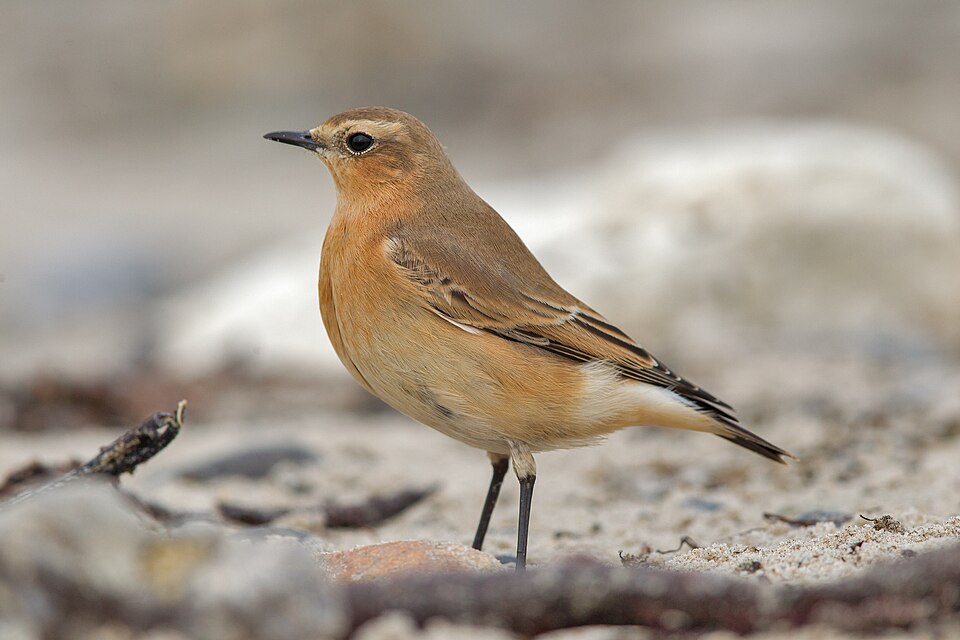 Culbianco
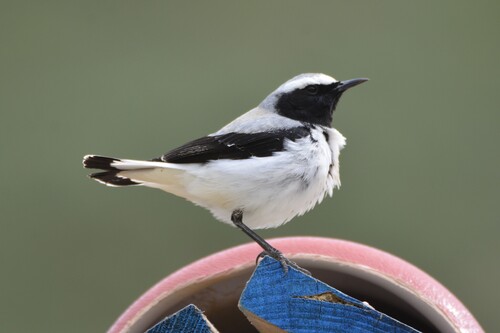 Culbianco di Seebohm
In breve
Il segno distintivo più affidabile per separare il Culbianco di Seebohm dal Culbianco è la straordinaria gola, faccia e copritrici auricolari nere del maschio adulto in abito nuziale—caratteristiche mai mostrate dal Culbianco. Le femmine e gli uccelli non in riproduzione sono più difficili da distinguere, ma il Culbianco di Seebohm tende a mostrare più bianco sulla fronte e meno nero sulla punta della coda, con parti inferiori spesso più bianche e copritrici alari di colore nerastro. Entrambe le specie condividono un sopracciglio bianco e un modello di coda a forma di T nera, quindi concentrati sul colore della testa e della gola nei maschi, e sulle sottili differenze di coda e parti inferiori in altri abiti. Gli uccelli juvenili e di primo inverno sono molto simili e possono essere quasi inseparabili sul campo.
Consigli di identificazione
- Maschio adulto in abito nuziale: Cerca una gola, faccia, lore e copritrici auricolari nere—se presenti, hai un Culbianco di Seebohm. I maschi del Culbianco non mostrano mai una gola o faccia nere, solo una maschera nera e ali.
- Estensione del nero sulla coda: Il Culbianco di Seebohm può mostrare meno nero esteso sulla punta della coda, con il bianco che si estende ulteriormente lungo le penne esterne della coda. Il Culbianco ha una T nera invertita più pronunciata sulla punta della coda. Questo è sottile e meglio utilizzato in combinazione con altri segni.
- Colore della fronte: Il Culbianco di Seebohm può mostrare più bianco sulla fronte rispetto al Culbianco, specialmente nei maschi.
- Parti inferiori: Il Culbianco di Seebohm ha spesso parti inferiori più bianche rispetto ai toni più bruni del Culbianco, specialmente nei maschi.
- Copritrici alari e ascellari: Il Culbianco di Seebohm ha copritrici alari e ascellari nere, che possono essere un segno utile se viste in volo o durante la pulizia. Il Culbianco non mostra questa caratteristica.
- Femmine e uccelli non in riproduzione: Le femmine del Culbianco di Seebohm e i maschi non in riproduzione possono mostrare nero variabile o marrone scuro sulla gola e sulle lore, a volte con punte brune, grigie o sabbiose. Le femmine del Culbianco non mostrano mai nero sulla gola o faccia.
- Muta post-riproduttiva: I maschi del Culbianco di Seebohm mantengono una gola nera maculata dopo la muta, mentre i maschi del Culbianco perdono la loro maschera nera e diventano più simili alle femmine.
- Uccelli juvenili/di primo inverno: Entrambe le specie sono estremamente simili a questa età, condividendo il sopracciglio bianco e il modello di coda a forma di T nera. Non ci sono segni affidabili che le separino in questo abito.
- Canto: Se ascoltato bene, il canto del Culbianco di Seebohm è più lento e a tonalità più bassa con frasi più distinte, ma questo è sottile e non sempre utile.
- Habitat e distribuzione: In Europa, Asia o nelle Americhe, qualsiasi culbianco è quasi certamente un Culbianco. Nella regione del Maghreb del Nord Africa durante la stagione riproduttiva, è possibile trovare il Culbianco di Seebohm e i maschi sono distintivi. Durante la migrazione in Nord Africa, entrambe le specie possono verificarsi, quindi i segni dell'abito sono essenziali.
- Dimensioni e struttura: Entrambe le specie sono simili in dimensioni e struttura, con postura eretta e simile jizz; non fare affidamento su dimensioni o forma per la separazione.
- Modello di coda: Entrambe mostrano un sopracciglio bianco e un modello di coda a forma di T nera; questo non è un separatore.
- Comportamento: Entrambe le specie si comportano in modo simile, spesso posandosi erette su rocce e muovendo le code.
- Trappole: Fai attenzione agli uccelli non in riproduzione e alle femmine del Culbianco di Seebohm, che possono assomigliare molto alle femmine del Culbianco. Solo sottili differenze nel colore della gola e del mento possono aiutare, e anche queste possono essere variabili.
- Quando hai dubbi: Se non riesci a vedere una gola o faccia nere, e sei al di fuori dell'area di riproduzione limitata del Culbianco di Seebohm, fai riferimento al Culbianco.
Taglia
Entrambe le specie sono molto simili in dimensioni, con il Culbianco che misura 14,5–16 cm di lunghezza e ha un'apertura alare di 26–32 cm, pesando 17–30 g [wikipedia]. Il Culbianco di Seebohm è descritto come un piccolo passeriforme e non è notato come più grande o più piccolo, quindi aspettati che siano essenzialmente della stessa dimensione sul campo. La dimensione non è un separatore affidabile.
Piumaggio
- Maschi adulti in abito nuziale: Il Culbianco di Seebohm si distingue con una gola, faccia, lore e copritrici auricolari nere, a volte estendendosi sul petto superiore. I maschi del Culbianco non mostrano mai una gola o faccia nere; invece, hanno una maschera nera e ali, con una gola bruna e parti inferiori chiare. I maschi del Culbianco di Seebohm possono anche mostrare più bianco sulla fronte e una punta nera meno estesa sulla coda, con il bianco che a volte si estende lungo le penne esterne della coda.
- Femmine e uccelli non in riproduzione: Entrambe le specie sono di colore marrone chiaro sopra e bruno sotto, ma le femmine del Culbianco di Seebohm possono essere più grigie sopra, a volte con copritrici auricolari brune e nero variabile o marrone scuro sulla gola e sulle lore, con punte brune o sabbiose. Le femmine del Culbianco non presentano alcun nero sulla gola o faccia. Dopo la muta, i maschi e le femmine del Culbianco di Seebohm diventano entrambi di un marrone più chiaro, ma la gola nera dei maschi è ancora spesso visibile, anche se macchiata con punte chiare.
- Juvenile/di primo inverno: Non sono descritte differenze distintive nel pattern delle ali superiori o nel volo; entrambe sono molto simili e possono essere quasi impossibili da separare affidabilmente sul campo a questa età. Entrambe mostrano il caratteristico sopracciglio bianco e il modello di coda a forma di T nera.
Comportamento
Entrambe le specie sono terrestri, erette e spesso si posano su rocce o pali bassi, muovendo frequentemente le loro code. Non sono state notate differenze comportamentali che possano aiutare nella separazione sul campo. Entrambe sono insetti voraci e si nutrono in habitat aperti e rocciosi.
Habitat
Il Culbianco si riproduce in aperti paesaggi rocciosi in Europa, Asia e parti del Nord America, mentre il Culbianco di Seebohm è limitato alla regione del Maghreb del Nord Africa per la riproduzione e trascorre l'inverno nel Sahel occidentale. Se ti trovi al di fuori del Nord Africa durante la stagione riproduttiva, stai quasi certamente osservando un Culbianco. L'overlap è possibile solo durante la migrazione in Nord Africa, e anche allora, il Culbianco è molto più diffuso.
Voce
Entrambe le specie hanno richiami simili, ma il canto del Culbianco di Seebohm è leggermente più lento e a tonalità più bassa, con frasi più distinte che salgono e scendono rispetto al canto fischiante e crepitante del Culbianco. I richiami sono altrimenti molto simili e non sono separabili in modo affidabile sul campo.