

Northern Royal Albatross vs Southern Royal Albatross
Diomedea sanfordi contro Diomedea epomophora
Fai un quiz con Northern Royal Albatross e Southern Royal Albatross
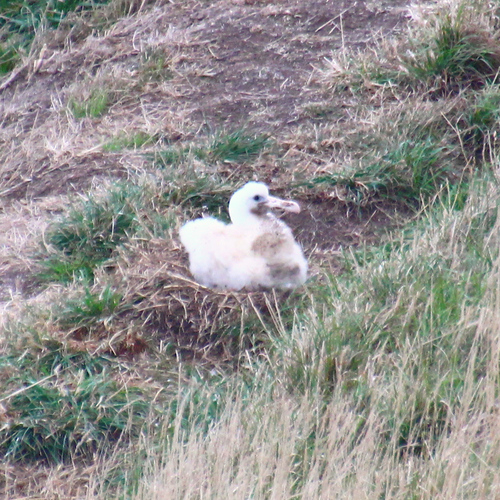 Northern Royal Albatross
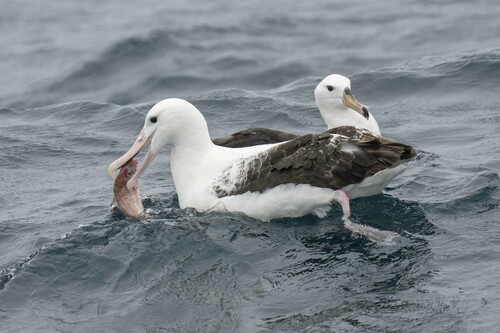 Southern Royal Albatross
In breve
Il modo più affidabile per separare il Northern Royal Albatross dal Southern Royal Albatross è il modello delle ali superiori, specialmente in volo o su uccelli appollaiati con le ali spiegate. Gli adulti e i quasi adulti del Southern mostrano ampie zone bianche sulle ali superiori, mentre i Northern rimangono quasi interamente scuri sopra, indipendentemente dall'età. I giovani di entrambi possono sembrare simili, ma i Southern iniziano a sviluppare macchie bianche sulle copritrici delle ali superiori e sul bordo anteriore man mano che maturano, mentre i Northern non lo fanno. La dimensione non è un segno di campo sicuro, poiché entrambi sono tra i più grandi albatros e si sovrappongono ampiamente. Concentrati sul modello delle ali, specialmente nei subadulti e negli adulti, e usa la struttura e il colore del becco solo come indizi di supporto.
Consigli di identificazione
- Il modello delle ali superiori è fondamentale: In volo o con le ali spiegate, cerca il bianco sulle ali superiori. Il Southern Royal Albatross (specialmente gli adulti e i giovani più grandi) mostra ampie macchie bianche o pannelli sulle ali superiori, partendo dal bordo anteriore e ampliandosi con l'età. Il Northern Royal Albatross ha sempre ali superiori scure con solo macchie bianche sparse, mai grandi aree bianche. Questo è il segno di campo più affidabile per tutti tranne che per i giovani più piccoli.
- Confusione giovanile: I giovanissimi Southern Royal Albatross possono sembrare simili ai Northern, entrambi mostrando ali superiori per lo più scure con alcune macchie. Fai attenzione all'apparizione precoce di bianco lungo il bordo anteriore nei Southern man mano che invecchiano; i Northern non svilupperanno questo.
- Modello della coda: Entrambi iniziano con code bianche con punte nere, ma il Southern Royal Albatross perde la punta nera della coda prima man mano che matura. Questo è un segno sottile e inaffidabile a meno che non venga visto bene.
- Piumaggio della testa e del corpo: Entrambe le specie hanno teste, colli e parti inferiori bianche a tutte le età. Non usare il colore della testa o delle parti inferiori per la separazione.
- Colore del becco: Entrambi hanno becchi rosa con un bordo di taglio nero. Il colore del becco non è un separatore utile.
- Colore delle gambe: Entrambi hanno gambe chiare o color carne; non è un separatore.
- Dimensione e robustezza: Il Southern Royal è mediamente più pesante, ma la sovrapposizione è ampia e la dimensione non è un segno di campo sicuro.
- Stile di volo: Entrambe le specie planano e scivolano in modo simile; il modo di volare non è diagnostico.
- Luogo di nidificazione: Se osservato in una colonia nota, la posizione può aiutare (ad esempio, Taiaroa Head per il Northern, Campbell Island per il Southern), ma in mare questo non è affidabile.
- Differenze sessuali: I maschi del Southern Royal sono più pesanti delle femmine, ma questo non è visibile sul campo e non aiuta con l'identificazione della specie.
- Variazione stagionale: Le principali differenze nel modello delle ali persistono tutto l'anno; nessun cambiamento nel piumaggio stagionale influisce sui principali segni di campo.
- Confusione con il Wandering Albatross: Entrambi i royals possono essere confusi con il Wandering Albatross, ma tra i due royals, concentrati sul modello delle ali superiori come descritto sopra.
- Non usare comportamento o vocalizzazione: Il corteggiamento e altri comportamenti sono simili e non utili per la separazione.
- Non usare habitat in mare: Entrambe le specie possono verificarsi insieme su acque oceaniche profonde; l'habitat non è un separatore lontano dalle colonie.
- Suggerimento riassuntivo: Se vedi un albatros reale con grandi aree bianche sulle ali superiori, è un Southern Royal; se le ali superiori sono quasi interamente scure, è un Northern Royal.
Taglia
Entrambe le specie sono tra i più grandi uccelli volatori, e la dimensione da sola non è un separatore affidabile. Il Southern Royal Albatross è mediamente più pesante (massa media adulta ~9 kg, con alcuni maschi oltre 10 kg) [wikidata], mentre il Northern Royal Albatross è leggermente più leggero (6.2–8.2 kg citati, ma nessun valore AVONET). Entrambi hanno un'apertura alare nella gamma di 2.7–3.3 m, con i Southern che possono raggiungere fino a 3.5 m. Sul campo, queste differenze non sono ovvie e la sovrapposizione è sostanziale. Non fare affidamento sulla dimensione o sulla robustezza per l'identificazione.
Piumaggio
- Giovani/Immaturi: Entrambi iniziano con teste, colli e parti inferiori per lo più bianche, e ali superiori scure con alcune macchie bianche sulle copritrici. Tuttavia, i giovani del Southern Royal Albatross iniziano presto a sviluppare macchie bianche sulle ali superiori, partendo dal bordo anteriore e ampliandosi con l'età. Il Northern Royal Albatross mantiene un'ala superiore quasi interamente scura in tutte le età, con solo macchie bianche sparse sulle copritrici, mai formando grandi aree bianche.
- Adulti: Gli adulti del Southern Royal Albatross mostrano ampie zone bianche sulle ali superiori, formando spesso grandi pannelli o macchie, specialmente dal bordo anteriore. Gli adulti del Northern Royal Albatross rimangono scuri sopra, con poco o nessun bianco tranne piccole macchie. Entrambi hanno code bianche con punte nere da giovani, ma i Southern perdono la punta nera della coda prima.
- Becchi e gambe: Entrambi hanno becchi rosa con un bordo di taglio nero e gambe chiare/color carne; questi non sono affidabili per la separazione.
Comportamento
Il comportamento non è un separatore affidabile tra queste due specie sul campo. Entrambi mostrano un volo tipico dei grandi albatros (planate lente e potenti e volo in alto), e entrambi usano display di corteggiamento simili (battito di becco, chiamate in cielo, ecc.). Qualsiasi differenza comportamentale è sottile e non utile per l'identificazione sul campo.
Habitat
Entrambe le specie nidificano su isole subantartiche e si nutrono ampiamente in mare. C'è una certa separazione geografica nelle colonie di nidificazione (ad esempio, i Northern alle Chatham Islands e a Taiaroa Head, i Southern a Campbell Island), ma in mare i loro territori si sovrappongono e l'uso dell'habitat è simile. L'habitat non è un separatore affidabile a meno che tu non sia in una colonia di nidificazione nota.
Northern Royal Albatross · Southern Royal Albatross · I miei uccelli difficili