

Negros Bleeding-heart vs Luzon Bleeding-heart
Gallicolumba keayi contro Gallicolumba luzonica
Fai un quiz con Negros Bleeding-heart e Luzon Bleeding-heart
 Negros Bleeding-heart
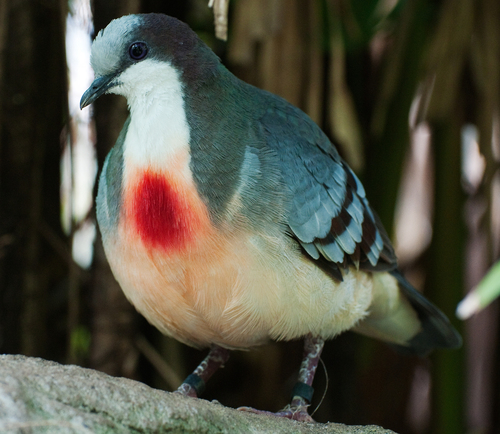 Luzon Bleeding-heart
In breve
Il miglior segno di campo per separare il Luzon Bleeding-heart dal Negros Bleeding-heart è la presenza di un lungo segno rosso a forma di 'cuore' verticale con una brillante lucentezza verde e una distintiva banda alare e barra laterale del petto a forma di 'V' sul Negros, rispetto al patch rotondo e rosso sangue sul petto con un lavaggio rossastro che si estende verso il ventre e bande nere sulle ali del Luzon. Entrambi sono colombe terricole con forma e comportamento simili, ma i loro modelli sul petto e sulle ali sono distintivi. Il Negros Bleeding-heart è molto più raro e limitato a Negros e Panay, mentre il Luzon Bleeding-heart si trova a Luzon e nelle isole vicine. Se vedi una colomba bleeding-heart con una 'V' bianca sull'ala e toni verdognoli, è il Negros; se il patch rosso è rotondo e l'uccello mostra bande nere sulle ali, è il Luzon.
Consigli di identificazione
- Chest Mark Shape: Il Negros Bleeding-heart mostra un lungo segno rosso a forma di 'cuore' verticale, mentre il Luzon Bleeding-heart ha un patch rotondo e rosso sangue sul petto con un lavaggio rossastro verso il ventre. Questo è il segno di campo più affidabile per tutte le età e i sessi.
- Wing Pattern: Cerca una distintiva banda alare e barra laterale del petto a forma di 'V' sul Negros Bleeding-heart. Il Luzon Bleeding-heart non ha questo, mostrando invece bande nere sulle ali.
- Upperparts Color: Il Negros Bleeding-heart ha una brillante iridescenza verde sulle parti superiori, mentre il Luzon Bleeding-heart è grigio ardesia ma può apparire viola, blu o verde bottiglia in certe luci. Tuttavia, il verde del Negros è più dominante e consistente.
- Belly and Underwing: Il Luzon Bleeding-heart ha un ventre e un sottovolo color crema o castano, con un lavaggio rossastro che si estende dal patch sul petto. Le parti inferiori del Negros Bleeding-heart sono meno distintamente colorate in questo modo.
- Throat and Breast: Il Luzon Bleeding-heart ha una gola, un petto e un ventre bianchi, eccetto per il patch rosso e il lavaggio. Il bianco del Negros Bleeding-heart è più limitato alla banda alare a 'V' e alla barra laterale del petto.
- Sexual Dimorphism: Nel Luzon Bleeding-heart, i maschi hanno un patch rosso sul petto più grande e più vivido rispetto alle femmine, ma questa differenza è sottile e non è un modo affidabile per separarlo dal Negros.
- Subspecies Variation (Luzon only): Alcune sottospecie di Luzon (ad es., rubiventris, griseolateralis) hanno patch rossi più scuri o più estesi e colore del ventre, ma mai il 'cuore' verticale o la 'V' bianca del Negros.
- Habitat and Range: Se sei a Negros o Panay in una foresta primaria di pianura, considera il Negros Bleeding-heart; altrove nelle Filippine, specialmente a Luzon e nelle isole vicine, è il Luzon Bleeding-heart.
- Behavior: Entrambe le specie sono terricole e riservate, ma il Luzon è più probabile che si trovi in foreste secondarie o habitat disturbati.
- Vocalization: Se senti un coo ripetuto e lamentoso o un richiamo di esposizione ruvido, è il Luzon Bleeding-heart. Le vocalizzazioni del Negros Bleeding-heart non sono descritte.
- Rarity: Il Negros Bleeding-heart è in pericolo critico e estremamente improbabile da vedere; il Luzon Bleeding-heart, pur diminuendo, è ancora più diffuso e probabile.
- Breeding Season Mark: In cattività, i maschi del Negros Bleeding-heart possono mostrare un 'cuore' più luminoso e rosso durante la stagione di riproduzione, ma questo non è un segno di campo affidabile.
- Flight Views: Non sono descritti modelli di volo o di ali specifici per età per nessuna delle due specie, quindi concentrati sui segni sul petto e sulla banda alare degli uccelli posati.
- Pitfalls: Non fare affidamento sulla dimensione complessiva, poiché entrambe sono simili; evita la confusione con il Mindanao Bleeding-heart, che non è trattato qui.
- Context: Se vedi una colomba bleeding-heart in uno zoo o in un'aviario, controlla per ibridi o sottospecie miste, specialmente per il Luzon, poiché le popolazioni in cattività possono essere incrociate.
Taglia
Entrambe le specie sono colombe terricole di dimensioni medie con un corpo rotondo, una coda corta e lunghe gambe. Il Luzon Bleeding-heart ha una massa corporea media documentata di circa 196 g [wikidata], mentre non è fornita una massa diretta per il Negros Bleeding-heart, ma la loro struttura complessiva è molto simile. I maschi del Luzon tendono a essere leggermente più grandi delle femmine, ma questo non è un modo affidabile per separarlo dal Negros. In generale, la dimensione non è un forte differenziatore sul campo.
Piumaggio
Per tutte le età, il Negros Bleeding-heart si distingue per il suo lungo segno rosso a forma di 'cuore' sul petto, che è più luminoso e più allungato rispetto al Luzon. Questo è accompagnato da una brillante iridescenza verde e una distintiva banda alare e barra laterale del petto a forma di 'V'. Il Luzon Bleeding-heart, al contrario, mostra un patch rotondo e rosso brillante che spesso appare come se 'sanguinasse' verso il ventre come un lavaggio rossastro, con una gola, petto e ventre bianchi. Il Luzon ha anche bande nere sulle ali e una superficie superiore grigio ardesia che può apparire viola, blu o verdognola a causa dell'iridescenza, ma manca della 'V' bianca e della dominanza verde del Negros. Le sottospecie del Luzon possono mostrare variazioni nell'estensione e nella tonalità del patch rosso e del colore del ventre, ma mai il 'cuore' verticale o la 'V' bianca del Negros. Non sono descritti modelli di volo o di ali specifici per età per nessuna delle due specie, quindi concentrati sui segni sul petto e sulla banda alare a tutte le età.
Comportamento
Entrambe le specie sono timide, riservate e trascorrono la maggior parte del loro tempo a terra, nutrendosi singolarmente o in coppie. Si posano e nidificano fuori terra in cespugli o viti. Il Luzon Bleeding-heart è noto per essere particolarmente silenzioso e raramente lascia il suolo se non per nidificare. I maschi del Negros Bleeding-heart possono mostrare un 'cuore' più luminoso e rosso durante la stagione di riproduzione, ma questo è sottile e non sempre visibile sul campo. Entrambe le specie si nutrono principalmente di materiale vegetale, semi e alcuni invertebrati. Il Luzon depone tipicamente due uova per covata, mentre il nido e il volo del Negros sono rapidi, probabilmente a causa del rischio di predazione.
Habitat
Il Negros Bleeding-heart è strettamente endemico a Negros e Panay, preferendo la foresta primaria di pianura fino a 1.200 m ed è altamente sensibile ai disturbi—raramente trovato in crescita secondaria. Il Luzon Bleeding-heart si trova a Luzon e nelle isole vicine, abitante sia in foreste primarie che secondarie fino a 1.400 m. Il Luzon è più tollerante ai disturbi dell'habitat ed è più probabile che venga incontrato in habitat degradati o secondari, mentre il Negros è ora estremamente raro e localizzato a causa della grave perdita di habitat. Se non sei a Negros o Panay, stai quasi certamente vedendo il Luzon Bleeding-heart.
Voce
Solo il Luzon Bleeding-heart ha un richiamo descritto: un coo ripetuto e lamentoso che sale e scende, della durata di 1–2 secondi, e un richiamo di esposizione ruvido di 5 e 3 note. Nessuna vocalizzazione è descritta per il Negros Bleeding-heart. Se senti un coo distintivo da una colomba bleeding-heart, è probabile che sia il Luzon.
Negros Bleeding-heart · Luzon Bleeding-heart · I miei uccelli difficili