

Namaqua Warbler vs Green-backed Camaroptera
Phragmacia substriata contro Camaroptera brachyura
Fai un quiz con Namaqua Warbler e Green-backed Camaroptera
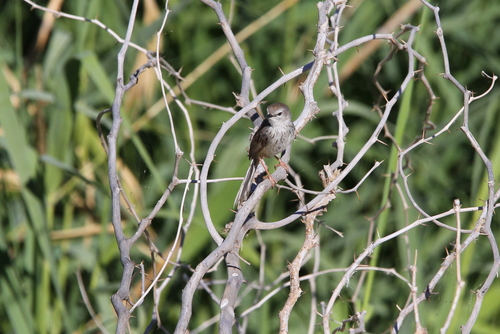 Namaqua Warbler
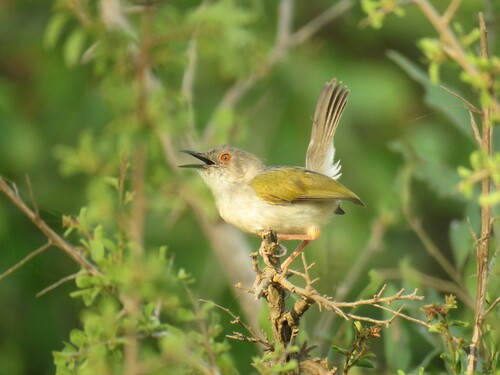 Green-backed Camaroptera
In breve
Il segno distintivo più affidabile tra Namaqua Warbler e Green-backed Camaroptera è la coda: Namaqua Warbler ha una coda lunga, marrone e spesso sollevata, mentre Green-backed Camaroptera mostra una coda molto più corta e arrotondata. Inoltre, Namaqua Warbler è di un ricco marrone ruggine sopra con un petto bianco, leggermente striato, mentre Green-backed Camaroptera è verde-oliva sopra con parti inferiori grigio-bianco uniforme. I giovani di entrambi sono più opachi, ma i giovani del Camaroptera mostrano un petto giallastro più chiaro, non striato. Entrambe le specie sono piccoli, attivi warbler, ma la loro struttura, coda e colore delle parti superiori sono fondamentali sul campo.
Consigli di identificazione
- Lunghezza e forma della coda: Namaqua Warbler ha una coda lunga e marrone, spesso sollevata ad un angolo; la coda di Green-backed Camaroptera è corta e arrotondata. Questo è il segno distintivo più consistente in tutte le età e stagioni.
- Comportamento della coda: Namaqua Warbler solleva frequentemente la coda; il Camaroptera raramente lo fa, mantenendo la coda abbassata o muovendola brevemente.
- Colore delle parti superiori: Namaqua Warbler è di un ricco marrone ruggine sopra, mentre il Camaroptera è verde-oliva. In forte luce, il verde del Camaroptera può essere piuttosto brillante, mentre Namaqua Warbler appare sempre di un marrone caldo.
- Parti inferiori: Namaqua Warbler mostra una gola e un petto bianchi con striature leggere (adulti), e fianchi color buff. Il Camaroptera è grigio-bianco uniforme sotto, senza striature; i giovani possono mostrare una leggera sfumatura giallastra ma mai striature.
- Sopracciglio: Namaqua Warbler ha un sopracciglio bianco distintivo; il Camaroptera non ha un sopracciglio forte, con un volto più semplice.
- Becco: Namaqua Warbler ha un becco corto, dritto e nero; il becco del Camaroptera è anch'esso corto ma può apparire leggermente più tozzo. Questo è sottile e non sempre affidabile sul campo.
- Colore delle zampe: Namaqua Warbler ha zampe marrone-rosate; il colore delle zampe del Camaroptera non è specificato, quindi questo non è un forte separatore.
- Jizz/struttura: Namaqua Warbler appare più lungo e più 'leggero' a causa della sua coda; il Camaroptera è compatto e arrotondato.
- Vista in volo: In volo, la lunga coda e i toni ruggine di Namaqua Warbler sono evidenti; il Camaroptera appare con una coda corta e verdognola.
- Confusione giovanile: Il giovane Namaqua Warbler è più opaco ma mostra ancora la stessa struttura e le leggere striature sul petto; il giovane Camaroptera è più chiaro sotto, a volte giallastro, ma mai striato.
- Habitat: In copertura molto densa e fogliosa, il Camaroptera è più probabile; in cespugli aperti, specialmente se l'uccello è visibile e solleva la coda, sospettare Namaqua Warbler.
- Comportamento di gruppo: Namaqua Warbler è spesso in piccoli gruppi o coppie, muovendosi attraverso cespugli aperti; il Camaroptera è di solito singolo o in coppie, raramente in piena vista.
- Vocalizzazioni: Se senti un richiamo acuto 'treeep-treep-trrrrrr', supporta Namaqua Warbler; il richiamo del Camaroptera non è descritto qui.
- Sesso e stagione: Entrambe le specie mostrano poco o nessun dimorfismo sessuale, quindi questi segni si applicano tutto l'anno.
- Trappole comuni: La principale confusione deriva da dimensioni simili e dalla forma complessiva piccola del warbler. Controlla sempre la lunghezza della coda, il colore delle parti superiori e il motivo delle parti inferiori prima di decidere.
Taglia
Entrambe le specie sono piccoli cisticolidi, ma il Green-backed Camaroptera è leggermente più leggero a circa 10 grammi [wikidata]. Namaqua Warbler è un po' più lungo (12–13 cm contro 11,5 cm per il Camaroptera) [wikipedia], principalmente a causa della sua coda più lunga. In mano o a distanza ravvicinata, Namaqua Warbler appare più allungato e 'leggero' a causa della sua coda, mentre il Camaroptera è più compatto e arrotondato.
Piumaggio
- Giovani: I giovani di Namaqua Warbler sono versioni più opache degli adulti ma mostrano ancora la lunga coda marrone e il petto bianco leggermente striato. I giovani di Green-backed Camaroptera sono più chiari nel complesso, specialmente sul petto, che è giallastro piuttosto che bianco o striato.
- Adulti: Namaqua Warbler ha parti superiori di un ricco marrone ruggine, un sopracciglio bianco, gola e petto bianchi con leggere striature, e fianchi color buff. La coda è lunga e marrone, spesso sollevata. Green-backed Camaroptera ha parti superiori verdi, ali olive e parti inferiori grigio-bianco uniforme. La sua coda è corta e arrotondata. Entrambi i sessi sono simili in ciascuna specie.
- Viste in volo: La lunga coda e i toni ruggine di Namaqua Warbler sono visibili anche in volo breve; la coda corta e le parti superiori verdognole del Camaroptera si distinguono, senza striature sotto.
Comportamento
Namaqua Warbler è solitamente visto in coppie o piccoli gruppi, cercando cibo in basso nei cespugli con la coda sollevata. È più probabile vederlo muoversi attivamente attraverso cespugli aperti o semi-aperti. Green-backed Camaroptera è molto schivo, tipicamente rimane basso in copertura densa e raramente si espone completamente. I suoi movimenti sono più segreti, spesso saltando all'interno di cespugli folti e raramente sollevando la coda.
Habitat
Namaqua Warbler preferisce cespugli bassi, spesso in regioni più secche o semi-aride, ed è solitamente visto in situazioni più aperte rispetto al Camaroptera. Green-backed Camaroptera è fortemente associato a copertura densa, spesso in cespugli umidi, grovigli o sottobosco cespuglioso. Se l'uccello è visto in copertura densa e fogliosa, il Camaroptera è più probabile; in cespugli aperti e bassi, sospettare Namaqua Warbler.
Voce
Namaqua Warbler emette un richiamo acuto 'treeep-treep-trrrrrr'. Nessun dettaglio vocale è fornito per Green-backed Camaroptera nelle note, quindi la voce non è un separatore affidabile qui.
Namaqua Warbler · Green-backed Camaroptera · I miei uccelli difficili