

Forapaglie castagnolo vs Cannaiola comune
Acrocephalus melanopogon contro Acrocephalus scirpaceus
Fai un quiz con Forapaglie castagnolo e Cannaiola comune
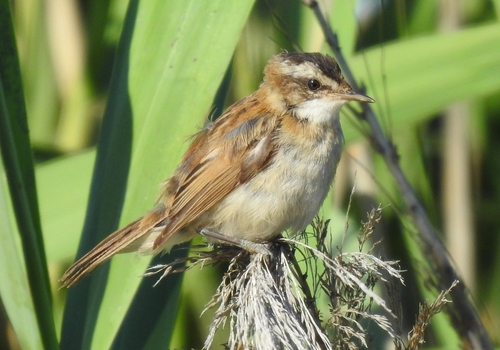 Forapaglie castagnolo
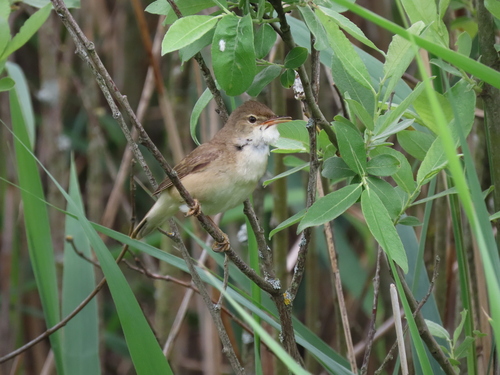 Cannaiola comune
In breve
Il segno di campo più affidabile tra il Forapaglie castagnolo e la Cannaiola comune è la presenza di striature fini sulla schiena e talvolta sul petto del Forapaglie castagnolo, specialmente nei giovani e negli immaturi, rispetto alla schiena marrone completamente priva di striature della Cannaiola comune di tutte le età. Il Forapaglie castagnolo mostra anche un sopracciglio biancastro più prominente e copritrici auricolari grigie, mentre il volto della Cannaiola comune è più semplice. Entrambe le specie sono simili in dimensioni e struttura, ma sottili differenze nel piumaggio e nel canto possono aiutare a separarle, specialmente quando viste bene o ascoltate. Gli uccelli giovani e immaturi sono il principale tranello, poiché i giovani Forapaglie castagnoli possono essere particolarmente striati sotto, mentre i giovani Cannaiola comuni sono di un buff più ricco ma mai striati.
Consigli di identificazione
- Back streaking is key: Cerca striature fini sulla schiena—presenti in tutte le età del Forapaglie castagnolo, assenti nella Cannaiola comune. Questo è il segno di campo più affidabile, specialmente in buona luce.
- Juvenile breast streaking: I giovani Forapaglie castagnoli mostrano spesso striature sul petto, mentre i giovani Cannaiola comuni sono semplici sotto (anche se di un buff più ricco).
- Supercilium and face: Il Forapaglie castagnolo ha un sopracciglio biancastro prominente e copritrici auricolari grigie contrastanti, dando un modello facciale più marcato. Il sopracciglio della Cannaiola comune è più debole e il volto è marrone più semplice.
- Underparts color: Gli adulti del Forapaglie castagnolo sono bianchi sotto; gli adulti della Cannaiola comune sono buff sotto. Il giovane della Cannaiola comune è particolarmente ricco di buff, ma mai striato.
- Ear coverts: Le copritrici auricolari grigie sono una caratteristica sottile ma utile del Forapaglie castagnolo, in contrasto con il sopracciglio; le copritrici auricolari della Cannaiola comune non si distinguono dal resto del volto.
- Bill shape and size: Entrambi hanno becchi forti e appuntiti di dimensioni e forme simili; non è un punto di separazione utile.
- Song differences: Il canto del Forapaglie castagnolo è più morbido, veloce e melodioso, con frasi simili a quelle del usignolo e senza canto in volo. Il canto della Cannaiola comune è più lento, chiacchierone e meno musicale.
- Flight and wing pattern: Non sono notati segni distintivi sulle ali superiori o di volo per nessuna delle due specie; non fare affidamento sul modello delle ali in volo.
- Perched jizz: Entrambe le specie si posano in modo simile sui fusti di canna; postura e movimento non sono affidabili per la separazione.
- Habitat overlap: Entrambi possono essere trovati negli stessi habitat di canneti; non usare l'habitat da solo per separarli dove le aree si sovrappongono.
- Season and range: Se sei nell'Europa meridionale o nell'Asia meridionale, considera il Forapaglie castagnolo; se più a nord o nell'Africa subsahariana in inverno, è più probabile che sia la Cannaiola comune. Tuttavia, entrambi possono verificarsi insieme nell'Europa meridionale.
- Sex differences: Entrambi i sessi sono simili in entrambe le specie; non usare il sesso come segno di campo.
- Size: Il Forapaglie castagnolo è leggermente più piccolo, ma la differenza è sottile e non affidabile sul campo.
- Confusion risk: I giovani Forapaglie castagnoli sono il principale tranello a causa del loro aspetto striato; controlla sempre la presenza di striature sopra e sotto quando ti trovi di fronte a un giovane Acrocephalus nell'Europa meridionale o in Asia.
- When in doubt: Se l'uccello è marrone semplice sopra e sotto (anche se di un buff ricco), e manca di un sopracciglio forte e di copritrici auricolari grigie, è più probabile che sia la Cannaiola comune. Se c'è qualche striatura o un volto marcato, sospetta il Forapaglie castagnolo.
Taglia
Entrambe le specie sono molto simili in dimensioni, con il Forapaglie castagnolo leggermente più piccolo (12–13 cm) rispetto alla Cannaiola comune (13 cm). Entrambi hanno proporzioni e struttura simili, senza differenze significative nelle dimensioni del becco o nella forma dell'ala notate nelle fonti. La massa corporea della Cannaiola comune è di circa 12 g; non è stata fornita massa per il Forapaglie castagnolo, ma ci si aspetta che sia simile o leggermente inferiore. La dimensione da sola non è un segno di campo affidabile tra questi due.
Piumaggio
- Juvenile/immature birds: I giovani Forapaglie castagnoli sono pesantemente striati sopra e mostrano spesso striature sul petto, che possono essere piuttosto audaci. Al contrario, i giovani Cannaiola comuni non sono mai striati sopra o sotto; invece, sono di un colore buff più ricco sulle parti inferiori ma rimangono marroni semplici sopra.
- Adults: L'adulto del Forapaglie castagnolo ha una schiena marrone finemente striata, parti inferiori bianche, un sopracciglio biancastro prominente e copritrici auricolari grigie. L'adulto della Cannaiola comune è marrone non striato sopra, con parti inferiori buff e un sopracciglio molto meno distintivo; il volto è generalmente più semplice e privo di toni grigi.
- Face pattern: Il sopracciglio del Forapaglie castagnolo è più prominente e contrasta con le copritrici auricolari grigie, mentre il sopracciglio della Cannaiola comune è più debole e le copritrici auricolari si fondono nel volto.
- No mention of distinctive upperwing or flight marks for either species in the sources.
Comportamento
Entrambe le specie sono tipici Acrocephalus, spesso si muovono furtivamente in canne e giunchi densi. Non sono notate differenze comportamentali significative nelle fonti. Il Forapaglie castagnolo non canta in volo, mentre la Cannaiola comune può cantare da posatoi esposti ma non è notata per il canto in volo. Entrambi possono essere visti aggrappati ai fusti di canna o muovendosi attraverso la vegetazione bassa.
Habitat
Entrambe le specie nidificano in canneti e habitat umidi simili. Il Forapaglie castagnolo è più ristretto all'Europa meridionale, all'Asia temperata meridionale e all'Africa nord-occidentale, mentre la Cannaiola comune è diffusa in tutta Europa e nel Palearctico occidentale, svernando nell'Africa subsahariana. Nelle aree di sovrapposizione, entrambe possono verificarsi negli stessi habitat di canneti, rendendo l'habitat da solo inaffidabile per la separazione.
Voce
Il canto del Forapaglie castagnolo è veloce, morbido e più melodioso rispetto a quello della Cannaiola comune, spesso includendo frasi simili a quelle del usignolo e qualche imitazione. Non canta in volo. Il canto della Cannaiola comune è più lento, un chiacchierio 'jit-jit-jit' con fischi e imitazioni tipiche di Acrocephalus, ma meno musicale nel complesso. Entrambi possono imitare altre specie, ma il tono e il ritmo complessivi sono sottilmente diversi, con il Forapaglie castagnolo che è più morbido e vario.
Forapaglie castagnolo · Cannaiola comune · I miei uccelli difficili