

Pispola vs Pispola golarossa
Anthus pratensis contro Anthus cervinus
Fai un quiz con Pispola e Pispola golarossa
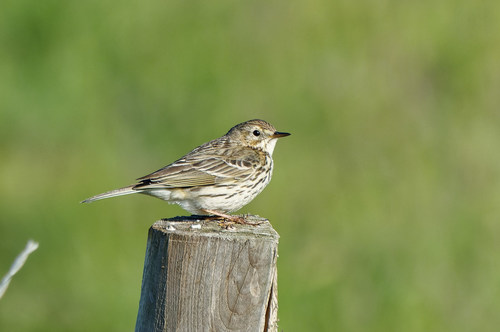 Pispola
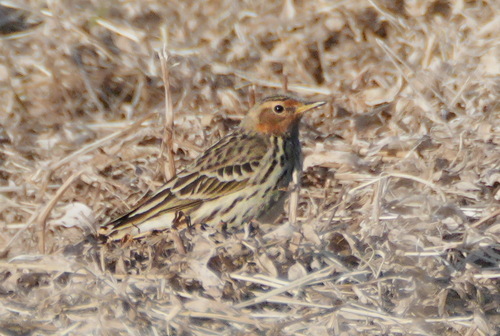 Pispola golarossa
In breve
Il segno distintivo più affidabile tra Pispola e Pispola golarossa è il volto e la gola rosso mattone degli adulti Pispola golarossa in abito nuziale, che la Pispola non mostra mai. Fuori dalla stagione riproduttiva o in uccelli immaturi, la separazione è molto più complicata: la Pispola golarossa è più pesantemente e ampiamente striata sopra e sotto, con strisce di mantello più chiare e un aspetto complessivo più contrastante e striato. La Pispola è più marrone sopra, color crema sotto, con striature più fini e un lungo artiglio posteriore. Entrambi sono simili in dimensioni e forma, quindi prestare attenzione al modello di striature e all'abito stagionale è fondamentale, specialmente in autunno e inverno quando la Pispola golarossa perde la sua colorazione rossa.
Consigli di identificazione
- L'adulto in riproduzione della Pispola golarossa mostra un volto e una gola rosso mattone—questo è diagnostico e mai mostrato dalla Pispola. Cerca questo in primavera e all'inizio dell'estate.
- Fuori dall'abito nuziale, la Pispola golarossa è molto più pesantemente striata sopra (cappuccio, dorso, coda) e sotto (fianchi, petto) rispetto alla Pispola. Concentrati sulla densità e sull'estensione delle striature, specialmente in autunno e inverno.
- La Pispola golarossa ha strisce di mantello chiare che possono darle un aspetto più contrastante e striato dall'alto, specialmente in abito fresco. La Pispola è più marrone e meno contrastante sulla schiena.
- La Pispola è color crema sotto con striature più fini e limitate, mentre la Pispola golarossa è più bianca sotto con striature nere audaci.
- Cerca il lungo artiglio posteriore sulla Pispola—è più lungo rispetto al resto delle dita posteriori e può a volte essere visto in buone visuali a terra o posato.
- Il modello della coda non è fortemente diagnostico, ma la Pispola ha bordi esterni della coda bianchi e stretti; questo è sottile e non sempre visibile.
- Lo stile di volo differisce leggermente: la Pispola golarossa ha un volo forte e diretto, mentre la Pispola spesso esegue brevi voli cantando con una canzone ripetitiva.
- I richiami differiscono: la Pispola emette un debole 'tsi-tsi', mentre la Pispola golarossa emette un 'psii' più acuto in volo. Ascolta attentamente se gli uccelli volano sopra.
- Il contesto dell'habitat e della distribuzione può aiutare: la Pispola golarossa è un migratore raro o un vagabondo nell'Europa occidentale; se ti trovi in un habitat tipico della Pispola nell'Europa occidentale, è molto più probabile che sia la Pispola.
- In autunno e inverno, fai attenzione alla confusione: la Pispola golarossa perde il suo rosso e assomiglia molto di più alla Pispola, ma mostra comunque striature più pesanti e un aspetto più contrastante e striato.
- Entrambe le specie sono simili in dimensioni e forma; non fare affidamento solo sulla dimensione complessiva o sull'aspetto.
- Le piume giovanili e immature non sono descritte come aventi segni distintivi sulle ali superiori o sul volo nelle fonti, quindi concentrati sulle striature e sul modello del mantello.
- Il modello facciale non è fortemente diagnostico al di fuori dell'abito nuziale, ma la Pispola golarossa può apparire leggermente più marcata a causa delle striature più pesanti.
- Entrambe le specie possono essere viste camminare o correre a terra e posarsi su vegetazione bassa; il comportamento non è un forte separatore.
- Se hai dubbi, dai priorità alla densità delle striature e, in primavera, alla presenza o assenza di rosso sul volto e sulla gola.
Taglia
Entrambe le specie sono piccole pispole con misure molto simili: la Pispola è lunga 14,5–15 cm e pesa 15–22 g [wikipedia]. Anche la Pispola golarossa è una piccola pispola, e non viene notata alcuna differenza di dimensione significativa nelle fonti. La struttura è simile, ma la Pispola ha un artiglio posteriore notevolmente lungo, che può a volte essere visto sul campo.
Piumaggio
Nell'abito nuziale adulto, la Pispola golarossa si distingue per un volto e una gola rosso mattone—questo è assente nella Pispola a tutte le età e stagioni. Fuori dalla stagione riproduttiva e negli immaturi, la Pispola golarossa diventa molto più difficile da separare, ma è comunque più pesantemente striata sopra (cappuccio, dorso, coda) e sotto (fianchi, petto) rispetto alla Pispola, e mostra strisce di mantello chiare che possono dare un aspetto più contrastante e striato. La Pispola è marrone sopra e color crema sotto, con barrature più scure ma striature meno estese, e la sua coda ha bordi esterni bianchi e stretti. Entrambe le specie sono simili a terra quando non sono in abito nuziale, ma la Pispola golarossa appare sempre più audacemente striata, specialmente sui fianchi e sulla schiena. Non sono descritte differenze distintive nel modello delle ali superiori o nel volo per i giovanili o gli immaturi nelle fonti.
Comportamento
Entrambe le specie sono pispole terrestri con abitudini di alimentazione e movimento simili, spesso camminando o correndo in aree aperte. La Pispola golarossa è descritta come avente un volo forte e diretto, mentre la Pispola esegue brevi voli cantando con una canzone ripetitiva. Entrambe possono essere viste posate su vegetazione bassa o a terra, e il loro aspetto è generalmente simile.
Habitat
La Pispola nidifica ampiamente attraverso il Paleartico in campi aperti, comprese praterie e torbiere, ed è spesso abbondante nell'Europa occidentale. La Pispola golarossa nidifica molto più a nord, nel lontano nord dell'Europa e del Paleartico, ed è un raro vagabondo nell'Europa occidentale. In inverno, la Pispola si trova nel sud Europa, in Nord Africa e nel sud-ovest asiatico, mentre la Pispola golarossa sverna in Africa e nel sud-est asiatico. Nell'Europa occidentale, la Pispola golarossa è molto più rara e di solito vista solo come migratore o vagabondo.
Voce
La Pispola emette un debole 'tsi-tsi' e una canzone semplice e ripetitiva che accelera verso la fine. La Pispola golarossa emette un richiamo caratteristico 'psii' in volo. Le canzoni non sono descritte in dettaglio per la Pispola golarossa, ma i richiami sono leggermente diversi e possono aiutare nell'identificazione se ascoltati bene.