

Bisbita Pratense vs Bisbita Gorjirrojo
Anthus pratensis frente a Anthus cervinus
Juega un quiz con Bisbita Pratense y Bisbita Gorjirrojo
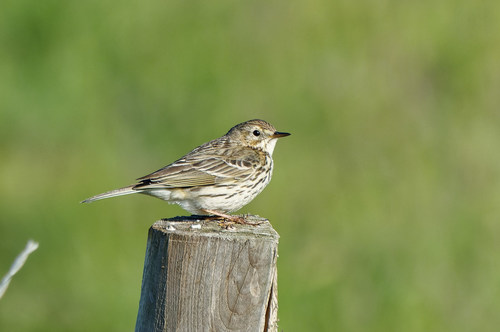 Bisbita Pratense
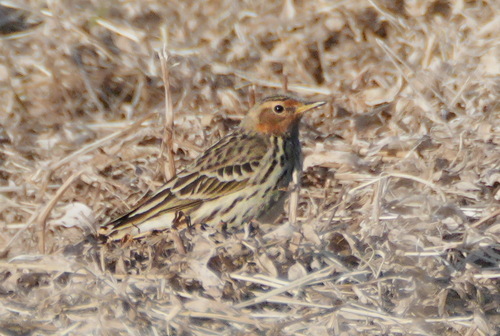 Bisbita Gorjirrojo
En breve
La marca de campo más confiable entre el Bisbita Pratense y el Bisbita Gorjirrojo es la cara y garganta de color rojo ladrillo de los Bisbitas Gorjirrojo adultos en plumaje de cría, que el Bisbita Pratense nunca muestra. Fuera de la temporada de cría o en aves inmaduras, la separación es mucho más complicada: el Bisbita Gorjirrojo está más intensamente y extensamente estriado arriba y abajo, con franjas de manto más pálidas y un aspecto más contrastante y estriado en general. El Bisbita Pratense es más marrón arriba, color canela abajo, con un estriado más fino y una larga garra trasera. Ambos son similares en tamaño y forma, por lo que prestar atención cuidadosa al patrón de estriado y al plumaje estacional es clave, especialmente en otoño e invierno cuando el Bisbita Gorjirrojo pierde su coloración roja.
Consejos de identificación
- El Bisbita Gorjirrojo adulto en cría muestra una cara y garganta de color rojo ladrillo—esto es diagnóstico y nunca es mostrado por el Bisbita Pratense. Busca esto en primavera y principios de verano.
- Fuera del plumaje de cría, el Bisbita Gorjirrojo está mucho más intensamente estriado arriba (cabeza, espalda, rabadilla) y abajo (flancos, pecho) que el Bisbita Pratense. Enfócate en la densidad y extensión del estriado, especialmente en otoño e invierno.
- El Bisbita Gorjirrojo tiene franjas de manto pálidas que pueden darle un aspecto más contrastante y estriado desde arriba, especialmente en plumaje fresco. El Bisbita Pratense es más marrón y menos contrastante en la espalda.
- El Bisbita Pratense es color canela abajo con un estriado más fino y limitado, mientras que el Bisbita Gorjirrojo es más blanco abajo con franjas negras audaces.
- Busca la larga garra trasera en el Bisbita Pratense—es más larga que el resto de los dedos traseros y a veces puede verse bien en el suelo o posado.
- El patrón de la cola no es fuertemente diagnóstico, pero el Bisbita Pratense tiene bordes exteriores de cola blancos estrechos; esto es sutil y no siempre visible.
- El estilo de vuelo difiere ligeramente: el Bisbita Gorjirrojo tiene un vuelo fuerte y directo, mientras que el Bisbita Pratense a menudo realiza vuelos cortos de canto con una canción repetitiva.
- Los llamados difieren: el Bisbita Pratense emite un débil 'tsi-tsi', mientras que el Bisbita Gorjirrojo emite un 'psii' más agudo en vuelo. Escucha atentamente si las aves están volando sobre ti.
- El contexto de hábitat y rango puede ayudar: el Bisbita Gorjirrojo es un migrante o vagabundo raro en Europa occidental; si estás en un hábitat típico del Bisbita Pratense en Europa occidental, es mucho más probable que veas un Bisbita Pratense.
- En otoño e invierno, ten cuidado con la confusión: el Bisbita Gorjirrojo pierde su rojo y se parece mucho más al Bisbita Pratense, pero aún muestra un estriado más pesado y un aspecto más contrastante y estriado.
- Ambas especies son similares en tamaño y forma; no te bases solo en el tamaño general o en la apariencia.
- Los plumajes juveniles e inmaduros no se describen como tener marcas distintivas en el ala superior o en el vuelo en las fuentes, así que enfócate en el estriado y el patrón del manto.
- El patrón facial no es fuertemente diagnóstico fuera del plumaje de cría, pero el Bisbita Gorjirrojo puede parecer ligeramente más marcado debido al estriado más pesado.
- Ambas especies pueden ser vistas caminando o corriendo en el suelo y posándose en vegetación baja; el comportamiento no es un fuerte separador.
- Si tienes dudas, prioriza la densidad del estriado y, en primavera, la presencia o ausencia de rojo en la cara y garganta.
Tamaño
Ambas especies son pequeños bisbitas con medidas muy similares: el Bisbita Pratense mide 14.5–15 cm de longitud y pesa 15–22 g [wikipedia]. El Bisbita Gorjirrojo también es un pequeño bisbita, y no se nota una diferencia de tamaño significativa en las fuentes. La estructura es similar, pero el Bisbita Pratense tiene una garra trasera notablemente larga, que a veces puede verse en el campo.
Plumaje
En plumaje de cría adulto, el Bisbita Gorjirrojo se destaca con una cara y garganta de color rojo ladrillo—esto está ausente en el Bisbita Pratense a todas las edades y estaciones. Fuera de la temporada de cría y en inmaduros, el Bisbita Gorjirrojo se vuelve mucho más difícil de separar, pero sigue estando más intensamente estriado arriba (cabeza, espalda, rabadilla) y abajo (flancos, pecho) que el Bisbita Pratense, y muestra franjas de manto pálidas que pueden dar un aspecto más contrastante y estriado. El Bisbita Pratense es marrón arriba y color canela abajo, con un barrado más oscuro pero un estriado menos extenso, y su cola tiene bordes exteriores de color blanco estrechos. Ambas especies son similares en el suelo cuando no están en plumaje de cría, pero el Bisbita Gorjirrojo siempre parece más intensamente estriado, especialmente en los flancos y la espalda. No se describen diferencias distintivas en el ala superior o en el patrón de vuelo para juveniles o inmaduros en las fuentes.
Comportamiento
Ambas especies son bisbitas que habitan en el suelo con hábitos de alimentación y movimiento similares, a menudo caminando o corriendo en áreas abiertas. El Bisbita Gorjirrojo se describe como teniendo un vuelo fuerte y directo, mientras que el Bisbita Pratense realiza vuelos cortos de canto con una canción repetitiva. Ambas pueden ser vistas posadas en vegetación baja o en el suelo, y su apariencia es generalmente similar.
Hábitat
El Bisbita Pratense cría ampliamente en el Paleártico en campos abiertos, incluyendo praderas y brezales, y a menudo es abundante en Europa occidental. El Bisbita Gorjirrojo cría mucho más al norte, en el extremo norte de Europa y el Paleártico, y es un vagabundo raro en Europa occidental. En invierno, el Bisbita Pratense se encuentra en el sur de Europa, el norte de África y el suroeste de Asia, mientras que el Bisbita Gorjirrojo inverna en África y el sudeste asiático. En Europa occidental, el Bisbita Gorjirrojo es mucho más raro y generalmente solo se ve como un migrante o vagabundo.
Voz
El Bisbita Pratense emite un débil llamado 'tsi-tsi' y una canción simple y repetitiva que acelera hacia el final. El Bisbita Gorjirrojo emite un llamado característico 'psii' en vuelo. Las canciones no se describen en detalle para el Bisbita Gorjirrojo, pero los llamados son sutilmente diferentes y pueden ayudar con la identificación si se escuchan bien.