

Averla mascherata vs Averla capirossa
Lanius nubicus contro Lanius senator
Fai un quiz con Averla mascherata e Averla capirossa
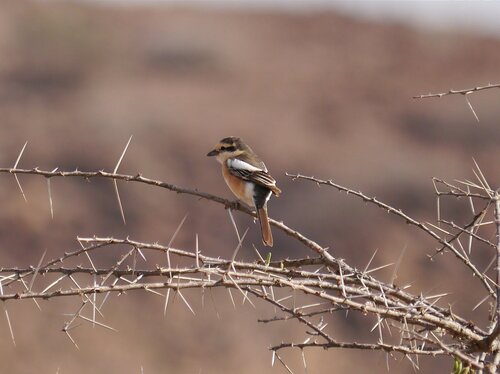 Averla mascherata
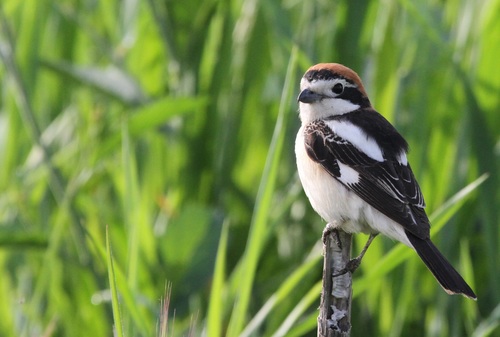 Averla capirossa
In breve
I giovani Averla mascherata e Averla capirossa possono essere confusi, ma cerca la coda più lunga dell'Averla mascherata, il viso più chiaro e il dorso e il sottocoda grigi rispetto al dorso sabbioso e al sottocoda grigio chiaro dell'Averla capirossa. Gli adulti di Averla mascherata si riconoscono facilmente per la loro corona e supercilium bianchi, mentre le Averle capirossa mostrano una ricca corona e nuca castano. Le Averle mascherate sono più piccole, più slanciate e meno appariscenti, spesso posandosi in modo meno aperto. Entrambe le specie condividono una struttura simile delle averle, ma prestare attenzione al modello della testa e al colore della parte superiore, specialmente negli immaturi, è fondamentale.
Consigli di identificazione
- Juvenile upperparts: Il giovane Averla mascherata ha un dorso e un sottocoda grigi con barre più scure e un viso più chiaro, mentre il giovane Averla capirossa mostra un dorso sabbioso e un sottocoda grigio chiaro con parti superiori vermicolate (finemente barrate) marroni e bianche. Questo è un segno distintivo fondamentale per gli immaturi.
- Tail length: L'Averla mascherata, anche da giovane, ha una coda visibilmente più lunga rispetto all'Averla capirossa. Usa questo criterio per gli uccelli posati o quando confronti direttamente.
- Head pattern (adults): L'adulto di Averla mascherata ha una corona, una fronte e un supercilium bianchi, in contrasto con le parti superiori nere. L'Averla capirossa ha una ricca corona e nuca castano, senza bianco sulla corona.
- Wing patches: L'Averla mascherata mostra grandi macchie bianche sulle spalle e sulle primarie (adulti e giovani), particolarmente evidenti in volo o quando l'ala è spiegata. Le macchie dell'ala dell'Averla capirossa sono meno estese, e la razza occidentale potrebbe mancarle completamente.
- Underparts: L'Averla mascherata ha parti inferiori bianche con fianchi e petto arancioni (maschio), mentre le parti inferiori dell'Averla capirossa sono bianche pure (maschio) o color crema e vermicolate (femmina/giovane).
- Female/immature confusion: La femmina di Averla mascherata è più opaca, con parti superiori marrone scuro e una sfumatura grigia o color crema sulle macchie bianche; le femmine e i giovani di Averla capirossa sono più marroni e più vermicolati, privi del contrasto netto bianco e nero.
- Face color (juveniles): I giovani di Averla mascherata hanno un viso e una fronte più chiari rispetto ai giovani di Averla capirossa, che hanno generalmente un viso più scuro.
- Rump color (juveniles): L'Averla mascherata ha un sottocoda grigio, l'Averla capirossa un sottocoda grigio chiaro o sabbioso. Questo è sottile ma utile in buona luce.
- Perching behavior: L'Averla mascherata è meno propensa a posarsi in modo aperto; se vedi un'averla in un luogo più nascosto o ombreggiato, considera l'Averla mascherata. L'Averla capirossa è più audace e spesso si posa in modo aperto.
- Size and jizz: L'Averla mascherata è più piccola, più slanciata e con una coda più lunga, mentre l'Averla capirossa è più robusta e massiccia. Questo è meglio giudicato con esperienza o confronto diretto.
- Bill structure: Entrambe hanno becchi ricurvi, ma quello dell'Averla mascherata è relativamente più piccolo e più delicato.
- Habitat context: L'Averla mascherata preferisce aree con più copertura e evita terreni molto aperti; l'Averla capirossa è più probabile trovarla in frutteti aperti o campi con alberi sparsi.
- Vocalizations: Se senti un canto melodico, simile a quello di un usignolo, è più probabile che sia l'Averla mascherata, ma i richiami non sono separabili in modo affidabile in campo basandosi su queste note.
- Western Averla capirossa: Se ti trovi nel Mediterraneo occidentale e vedi un'averla priva di audaci macchie bianche sulle ali, sospetta l'Averla capirossa (L. s. badius), poiché l'Averla mascherata mostra sempre forti macchie bianche.
- Seasonal context: Entrambe le specie nidificano nella regione mediterranea, ma l'Averla mascherata è meno diffusa. Nelle aree in cui entrambe si trovano, concentrati sulle differenze strutturali e di piumaggio, specialmente alla fine dell'estate quando i giovani sono abbondanti.
Taglia
L'Averla mascherata è la più piccola del suo genere, pesando circa 25 g e misurando 17–18,5 cm di lunghezza con un'apertura alare di 24–26,5 cm [wikidata]. L'Averla capirossa è leggermente più grande, con una lunghezza di 17–19 cm, ma non è fornito alcun dato sul peso. In campo, l'Averla mascherata appare più slanciata e con una coda più lunga, mentre l'Averla capirossa è un po' più massiccia e robusta. La dimensione da sola è sottile, ma la costruzione più delicata dell'Averla mascherata e la sua coda più lunga possono aiutare quando viste fianco a fianco.
Piumaggio
-
Juvenile/First-year: Il giovane Averla mascherata mostra parti superiori grigio-marroni con barre più scure dalla testa al sottocoda, una fronte grigia più chiara e un dorso e un sottocoda grigi. Il viso è più chiaro e la coda è più lunga. Il giovane Averla capirossa ha parti superiori vermicolate marroni e bianche, un dorso sabbioso e un sottocoda grigio chiaro; le parti inferiori sono color crema e anch'esse vermicolate. I giovani di Averla mascherata hanno macchie primarie bianche su ali marroni, mentre i giovani di Averla capirossa mancano di questo forte contrasto.
-
Adult males: I maschi di Averla mascherata hanno una striking corona bianca, fronte e supercilium, parti superiori nere e grandi macchie bianche sulle spalle e sulle primarie. La gola e le parti inferiori sono bianche con fianchi e petto arancioni. I maschi di Averla capirossa mostrano una ricca corona e nuca castano, parti superiori nere e bianche, e parti inferiori bianche pure. La razza occidentale di Averla capirossa (L. s. badius) manca di grandi macchie bianche sulle ali.
-
Adult females: La femmina di Averla mascherata è una versione più opaca del maschio, con parti superiori marrone scuro e una sfumatura grigia o color crema sulle macchie bianche delle spalle e delle parti inferiori. La femmina di Averla capirossa è più marrone sopra e anch'essa vermicolata, con meno contrasto complessivo.
-
In flight: L'Averla mascherata mostra grandi macchie bianche sulle ali e sulle piume esterne della coda, specialmente negli adulti e nei giovani. Il modello dell'ala dell'Averla capirossa è meno audace, specialmente nella razza occidentale.
Comportamento
L'Averla mascherata è meno appariscente, spesso posandosi in posizioni meno esposte e evitando terreni molto aperti. Tende ad essere più segreta e viene spesso vista all'interno di cespugli o alberi piuttosto che su posatoi prominenti. L'Averla capirossa è più tipica delle averle, frequentemente posandosi apertamente su rami esposti, fili o pali della recinzione, di solito a 2–6 metri da terra, e compiendo voli di attacco dopo le prede. Entrambe le specie cacciano da posatoi, ma l'Averla capirossa è più audace e più visibile.
Habitat
Entrambe le specie preferiscono boschi aperti con alberi sparsi, ma l'Averla mascherata preferisce aree con più copertura, evitando terreni molto aperti e rimanendo spesso all'interno di cespugli o alberi più densi. L'Averla capirossa si trova in aree boschive aperte, frutteti e luoghi con terreno nudo o sabbioso, ed è più probabile vederla in habitat aperti. L'Averla mascherata nidifica nel sud-est dell'Europa e nel Mediterraneo orientale, mentre l'Averla capirossa è più diffusa nella regione mediterranea.
Voce
I richiami dell'Averla mascherata sono brevi e graffianti, ma il suo canto include frasi melodiche, simili a quelle di un usignolo. Non sono descritte differenze vocali distintive per l'Averla capirossa in queste note, quindi la voce non è un separatore primario qui.
Averla mascherata · Averla capirossa · I miei uccelli difficili