
Long-crested Pygmy-Tyrant vs Acre Tody-Tyrant
Lophotriccus eulophotes contro Hemitriccus cohnhafti
Fai un quiz con Long-crested Pygmy-Tyrant e Acre Tody-Tyrant
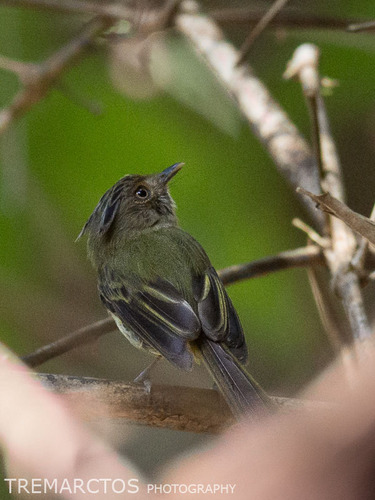 Long-crested Pygmy-Tyrant
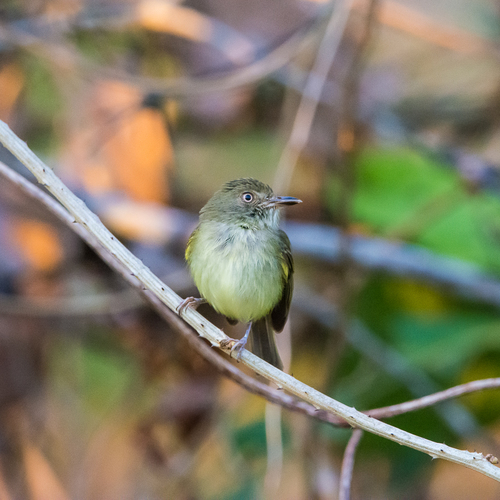 Acre Tody-Tyrant
In breve
Il segno di campo più affidabile per separare il Long-crested Pygmy-Tyrant dall'Acre Tody-Tyrant è la presenza di una lunga cresta nera, spesso eretta, sul primo, che è completamente assente nel secondo. In tutte le età e piumaggi, il Long-crested Pygmy-Tyrant mostra una distintiva cresta nera con bordi grigi che si estende ben oltre la parte posteriore della testa, mentre l'Acre Tody-Tyrant ha una corona verde oliva uniforme con solo deboli striature scure. Quando è posato, controlla per le parti inferiori bianche e striate del pygmy-tyrant e le deboli barre alari rispetto al ventre verde oliva, per lo più non striato, e le barre alari giallo-tawny più prominenti del tody-tyrant. In volo o a riposo, le ali dell'Acre Tody-Tyrant mostrano piume nerastre con bordi gialli e bianchi, creando un motivo più nitido rispetto alle ali più opache e con punte olive del pygmy-tyrant. La forma del becco e il colore dell'iride differiscono anche, ma la cresta è il segno di campo più veloce e affidabile.
Consigli di identificazione
- Crest presence: Il Long-crested Pygmy-Tyrant ha sempre una lunga cresta nera con bordi grigi che è spesso sollevata e si estende oltre la parte posteriore della testa. L'Acre Tody-Tyrant non mostra mai una cresta: la sua corona è liscia con solo deboli striature scure. Questo è il segno di campo più veloce e affidabile in qualsiasi postura o età.
- Crown and face color: Il pygmy-tyrant ha piume nere sulla corona con bordi grigi e lore bianche su un volto verde oliva. La testa del tody-tyrant è verde oliva con striature più scure, e le lore e il volto sono di un colore tawny, non bianco.
- Wing bars: Le barre alari del pygmy-tyrant sono deboli, formate da punte olive a copritori scuri e spesso appena visibili. Il tody-tyrant ha due barre alari nitide che vanno dai bordi giallo-tawny a copritori nerastri—molto più evidenti sul campo.
- Wing pattern in flight/perched: Le ali nerastre dell'Acre Tody-Tyrant hanno bordi esterni gialli e bordi interni bianchi sulle piume da volo, creando un aspetto più decorato. Le ali del pygmy-tyrant sono scure con solo punte olive, senza un forte contrasto.
- Underparts: Il pygmy-tyrant è bianco sotto con striature grigie ovunque. Il tody-tyrant è verde oliva sulla gola e sul petto con striature giallo-cremose, ma il ventre e il sottocoda sono di un giallo zolfo brillante e non striati—cerca il cambiamento di colore.
- Tail color: Entrambi hanno code scure o nerastre, ma le piume della coda del tody-tyrant hanno vane interne di un verde scuro, che possono apparire come una sottile sfumatura verdastra; questo è sottile e non sempre visibile.
- Iris color: Il pygmy-tyrant ha un'iride giallo-bianca, mentre quella del tody-tyrant è crema a nocciola brunastra. Questo può essere difficile da vedere a meno che non sia vicino.
- Bill shape and color: Il becco del pygmy-tyrant è grigio e più tipico dei piccoli tiranni. Quello del tody-tyrant è più piatto, con una base larga e grandi narici ovali, nere con una base cremosa per la mandibola—notevole se visto bene da sotto o di profilo.
- Leg color: Il pygmy-tyrant ha gambe e piedi di un rosa opaco; quelli del tody-tyrant sono grigi. Questo è sottile e raramente diagnostico sul campo.
- Size and structure: Il tody-tyrant è leggermente più grande e più pesante (circa 1 cm più lungo e 2 g più pesante in media), ma questo non è un segno di campo forte a meno che entrambi non siano visti fianco a fianco.
- Voice: Se senti un breve trill a bassa tonalità di note 'tick', è l'Acre Tody-Tyrant. L'assenza di questo canto non è diagnostica, poiché la voce del pygmy-tyrant non è descritta.
- Sex and age: Entrambe le specie sono sessualmente monomorfiche nel piumaggio, e non sono descritti segni specifici per età, quindi tutti i segni di campo sopra si applicano agli adulti e ai presunti immaturi.
- Habitat and range: Entrambe le specie sovrappongono ampiamente nell'Amazzonia occidentale e utilizzano habitat forestali simili—non fare affidamento solo sulla posizione o sull'habitat per la separazione.
- Behavior: Entrambi sono foraggiatori attivi nel sottobosco, ma il pygmy-tyrant può essere più animato quando solleva la sua cresta.
- Pitfalls: La principale confusione si verifica quando la cresta del pygmy-tyrant è appiattita o non visibile, facendolo somigliare al tody-tyrant. In questi casi, concentrati sulla forza delle barre alari, sulle striature delle parti inferiori e sulla colorazione del volto.
Taglia
Entrambe le specie sono piccoli tiranni-flycatcher amazzonici, ma l'Acre Tody-Tyrant è leggermente più grande e più pesante: in media misura circa 11 cm di lunghezza e 9 g di massa (un maschio misurato), mentre il Long-crested Pygmy-Tyrant è di 10–10.5 cm e circa 7 g. Questa differenza di dimensioni è sottile sul campo e non è un forte separatore, ma il tody-tyrant può apparire un po' più massiccio, specialmente in confronto diretto.
Piumaggio
Nessun modello di ali o di volo specifico per età è descritto per entrambe le specie, quindi tutti i contrasti si applicano agli adulti e ai presunti immaturi. Il Long-crested Pygmy-Tyrant è oliva sopra con una lunga cresta nera con bordi grigi (spesso sollevata), lore bianche e copritori alari debolmente punteggiati di oliva che formano barre alari deboli. Le sue parti inferiori sono bianche con striature grigie ovunque. L'Acre Tody-Tyrant, al contrario, ha una testa e una nuca verde oliva con striature più scure (ma senza cresta), lore tawny e lavaggio facciale, e ali nerastre con bordi esterni gialli e bordi interni bianchi sulle piume da volo. I suoi copritori alari sono bordati di giallo-tawny, producendo due barre alari chiare. Le parti inferiori sono verde oliva con striature giallo-cremose sulla gola e sul petto, ma il ventre e il sottocoda sono di un giallo zolfo brillante e per lo più non striati. L'iride è giallo-bianca nel pygmy-tyrant e crema a nocciola brunastra nel tody-tyrant. Anche il colore del becco differisce: grigio nel pygmy-tyrant, nero con una base cremosa per la mandibola nel tody-tyrant.
Comportamento
Entrambe le specie sono piccole, attive e spesso foraggiano nel sottobosco o nella parte bassa della chioma, ma le differenze comportamentali dettagliate non sono descritte nelle fonti. Entrambi possono essere incontrati singolarmente o in coppie, e nessuno è noto per un comportamento altamente appariscente. Il pygmy-tyrant può apparire più animato quando solleva la sua cresta.
Habitat
Entrambe le specie si trovano nel bacino amazzonico occidentale della Bolivia, Brasile e Perù, e entrambe sono presenti in habitat forestali simili. L'habitat non è un separatore affidabile tra questi due nella loro gamma sovrapposta.
Voce
Solo la voce dell'Acre Tody-Tyrant è descritta: il suo canto è un breve trill a bassa tonalità di note 'tick', privo di note introduttive, e produce anche richiami a nota singola 'skep' o 'keek', o richiami più bassi 'kup'. Nessuna descrizione vocale è disponibile per il Long-crested Pygmy-Tyrant, quindi la voce non è un separatore affidabile a meno che non si senta il trill distintivo del tody-tyrant.
Long-crested Pygmy-Tyrant · Acre Tody-Tyrant · I miei uccelli difficili