

Cimerillo Crestilargo vs Titirijí de Acre
Lophotriccus eulophotes frente a Hemitriccus cohnhafti
Juega un quiz con Cimerillo Crestilargo y Titirijí de Acre
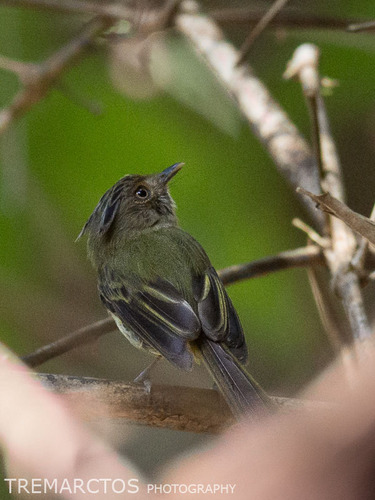 Cimerillo Crestilargo
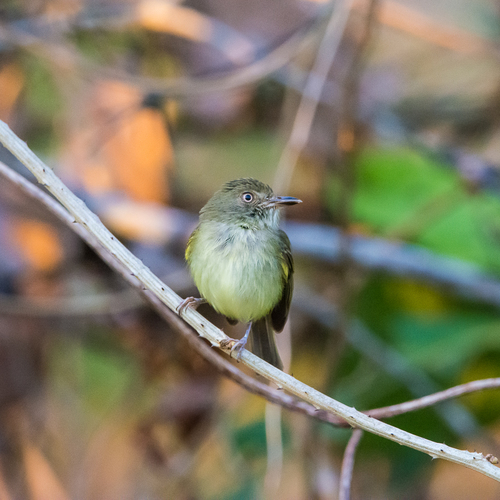 Titirijí de Acre
En breve
La marca de campo más confiable para separar el Cimerillo Crestilargo del Titirijí de Acre es la presencia de una cresta larga y negra, a menudo erguida, en el primero, que está completamente ausente en el segundo. En todas las edades y plumajes, el Cimerillo Crestilargo muestra una cresta negra distintiva con bordes grises que se extiende más allá de la parte posterior de la cabeza, mientras que el Titirijí de Acre tiene una corona lisa de oliva verdosa con solo débiles estrías oscuras. Cuando está posado, verifica las partes inferiores blanquecinas y estriadas del cimerillo y las débiles barras alares frente al vientre verde oliva, mayormente sin estrías, y las barras alares más prominentes de color amarillento del titirijí. En vuelo o en reposo, las alas del Titirijí de Acre muestran plumas negruzcas con bordes amarillos y blanquecinos, creando un patrón más nítido que las alas de punta oliva más apagadas del cimerillo. La forma del pico y el color del iris también difieren, pero la cresta es la marca de campo más rápida y confiable.
Consejos de identificación
- Presencia de cresta: El Cimerillo Crestilargo siempre tiene una cresta larga, negra y con bordes grises que a menudo está erguida y se extiende más allá de la parte posterior de la cabeza. El Titirijí de Acre nunca muestra una cresta; su corona es lisa con solo débiles estrías oscuras. Esta es la marca de campo más rápida y confiable en cualquier postura o edad.
- Color de la corona y la cara: El cimerillo tiene plumas de corona negras con bordes grises y lóbulos blanquecinos en una cara de oliva. La cabeza del titirijí es de oliva verdosa con estrías más oscuras, y los lóbulos y la cara son de un tono amarillento, no blanquecinos.
- Barras alares: Las barras alares del cimerillo son débiles, formadas por puntas olivas en cobertoras oscuras y a menudo apenas visibles. El titirijí tiene dos barras alares nítidas desde bordes amarillentos hasta cobertoras negruzcas, mucho más conspicuas en el campo.
- Patrón de alas en vuelo/posado: Las alas negruzcas del Titirijí de Acre tienen bordes exteriores amarillos y bordes interiores blanquecinos en las plumas de vuelo, creando un aspecto más patternado. Las alas del cimerillo son oscuras con solo puntas olivas, careciendo de un fuerte contraste.
- Partes inferiores: El cimerillo es blanquecino por debajo con estrías grises en todo su cuerpo. El titirijí es verde oliva en la garganta y el pecho con estrías amarillentas cremosas, pero el vientre y la cola son de un amarillo azufre brillante y sin estrías; busca el cambio de color.
- Color de la cola: Ambos tienen colas oscuras o negruzcas, pero las plumas de la cola del titirijí tienen vainas internas de color verde oscuro, que pueden mostrar un sutil matiz verdoso; esto es sutil y no siempre visible.
- Color del iris: El cimerillo tiene un iris amarillo blanquecino, mientras que el del titirijí es de color crema a avellana marrón. Esto puede ser difícil de ver a menos que estés cerca.
- Forma y color del pico: El pico del cimerillo es gris y más típico de pequeños tiranos. El del titirijí es más plano, con una base ancha y grandes fosas nasales ovaladas, negro con una base cremosa en la mandíbula; notable si se ve bien desde abajo o de perfil.
- Color de las patas: El cimerillo tiene patas y pies de un tono rosado apagado; las del titirijí son grises. Esto es sutil y rara vez es diagnóstico en el campo.
- Tamaño y estructura: El titirijí es ligeramente más grande y pesado (alrededor de 1 cm más largo y 2 g más pesado en promedio), pero esta no es una marca de campo fuerte a menos que ambos se vean uno al lado del otro.
- Voz: Si escuchas un trino corto y grave de notas 'tick', es el Titirijí de Acre. La ausencia de esta canción no es diagnóstica, ya que la voz del cimerillo no está descrita.
- Sexo y edad: Ambas especies son monomórficas sexualmente en plumaje, y no se describen marcas específicas de edad, por lo que todas las marcas de campo anteriores se aplican a adultos y presuntos inmaduros.
- Hábitat y rango: Ambas especies se superponen ampliamente en el oeste de la Amazonía y utilizan hábitats forestales similares; no confíes solo en la ubicación o el hábitat para la separación.
- Comportamiento: Ambas son forrajeadoras activas de sotobosque, pero el cimerillo puede ser más animado al levantar su cresta.
- Trampas: La principal confusión surge cuando la cresta del cimerillo está aplanada o no es visible, haciéndolo parecerse al titirijí. En estos casos, concéntrate en la fuerza de las barras alares, el estriado de las partes inferiores y la coloración facial.
Tamaño
Ambas especies son pequeños tiranos voladores amazónicos, pero el Titirijí de Acre es ligeramente más grande y pesado: promedia alrededor de 11 cm de longitud y 9 g de masa (un macho medido), mientras que el Cimerillo Crestilargo mide de 10 a 10.5 cm y alrededor de 7 g. Esta diferencia de tamaño es sutil en el campo y no es un separador fuerte, pero el titirijí puede parecer un poco más robusto, especialmente en comparación directa.
Plumaje
No se describe un patrón de alas o vuelo específico por edad para ninguna de las especies, por lo que todos los contrastes se aplican a adultos y presuntos inmaduros. El Cimerillo Crestilargo es de color oliva por encima con una larga cresta negra con bordes grises (a menudo erguida), lóbulos blanquecinos y cobertoras de alas débiles con puntas olivas que forman débiles barras alares. Sus partes inferiores son blanquecinas con estrías grises en todo su cuerpo. El Titirijí de Acre, en contraste, tiene una cabeza y nuca de oliva verdosa con estrías más oscuras (pero sin cresta), lóbulos amarillentos y un lavado facial, y alas negruzcas con bordes exteriores amarillos y bordes interiores blanquecinos en las plumas de vuelo. Sus cobertoras de alas tienen bordes amarillentos, produciendo dos barras alares claras. Las partes inferiores son de un verde oliva con estrías amarillentas cremosas en la garganta y el pecho, pero el vientre y la cola son de un amarillo azufre brillante y en gran parte sin estrías. El iris es amarillo blanquecino en el cimerillo y de crema a avellana marrón en el titirijí. El color del pico también difiere: gris en el cimerillo, negro con una base cremosa en la mandíbula en el titirijí.
Comportamiento
Ambas especies son pequeñas, activas y a menudo forrajean en el sotobosque o el dosel inferior, pero no se describen diferencias de comportamiento detalladas en las fuentes. Ambas pueden encontrarse solas o en parejas, y ninguna es conocida por un comportamiento altamente conspicuo. El cimerillo puede parecer más animado al levantar su cresta.
Hábitat
Ambas especies ocurren en la cuenca occidental del Amazonas en Bolivia, Brasil y Perú, y ambas se encuentran en hábitats forestales similares. El hábitat no es un separador confiable entre estas dos en su rango superpuesto.
Voz
Solo se describe la voz del Titirijí de Acre: su canto es un trino corto y grave de notas 'tick', careciendo de notas introductorias, y también emite llamadas de una sola nota 'skep' o 'keek', o llamadas más bajas 'kup'. No hay descripción vocal disponible para el Cimerillo Crestilargo, por lo que la voz no es un separador confiable a menos que se escuche el trino distintivo del titirijí.
Cimerillo Crestilargo · Titirijí de Acre · Mis aves difíciles