

Long-billed Murrelet vs Kittlitz's Murrelet
Brachyramphus perdix contro Brachyramphus brevirostris
Fai un quiz con Long-billed Murrelet e Kittlitz's Murrelet
 Long-billed Murrelet
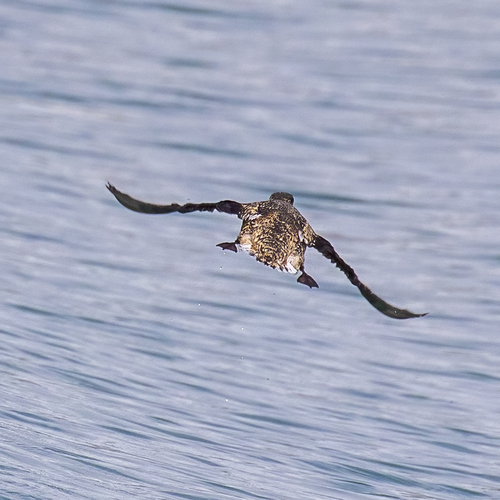 Kittlitz's Murrelet
In breve
Il segno di campo più affidabile per separare il Long-billed Murrelet dal Kittlitz's Murrelet è il becco: il Long-billed mostra un becco nero, lungo e sottile, mentre il Kittlitz's ha un becco notevolmente più corto. In abito nuziale, il Long-billed Murrelet ha una gola più chiara e un motivo squamoso più debole, mentre il Kittlitz's è più uniformemente grigio-marrone. In abito non nuziale (inverno), il Long-billed manca del collare bianco che il Kittlitz's può mostrare. Entrambi sono auks compatti con ali appuntite, ma differenze sottili nella struttura e nel piumaggio, specialmente attorno alla testa e alla gola, sono fondamentali. Gli uccelli immaturi e invernali sono particolarmente difficili, quindi la lunghezza del becco e il motivo della gola/faccia sono i segni di campo più pratici.
Consigli di identificazione
- Lunghezza e forma del becco: Il Long-billed Murrelet ha sempre un becco nero, lungo e sottile; il Kittlitz's Murrelet ha un becco corto e tozzo. Questo è il segno di campo più consistente in tutte le età e stagioni.
- Gola in abito nuziale: Il Long-billed Murrelet mostra una gola chiara, in contrasto con il viso e il petto più scuri; il Kittlitz's Murrelet ha una testa e una gola grigio-marrone più uniformi senza un'area chiara. Usa questo in primavera e estate.
- Motivo squamoso in abito nuziale: Il Long-billed Murrelet ha un motivo squamoso debole sulle parti superiori a causa dei bordi delle piume chiari, ma il Kittlitz's è più uniformemente colorato e manca di questo effetto squamoso.
- Collare in abito non nuziale (inverno): Il Kittlitz's Murrelet può mostrare un collare bianco in inverno, che il Long-billed Murrelet non ha mai. Se vedi un collare bianco, non è Long-billed.
- Corona e nuca in inverno: Entrambi hanno corone e nuche scure in inverno, ma quella del Long-billed è più nettamente definita contro le parti inferiori bianche.
- Anello oculare: Il Long-billed Murrelet ha un distintivo anello oculare bianco, che può essere meno evidente o assente nel Kittlitz's, ma questo è un segno sottile e non sempre visibile sul campo.
- Dimensione e robustezza: Il Long-billed è leggermente più grande e pesante, ma questo è evidente solo con un confronto diretto o esperienza.
- Jizz e postura: Entrambi sono compatti e tozzi con code corte e ali appuntite; le differenze sono sottili e non affidabili per un'identificazione rapida.
- Stile di volo: Entrambe le specie hanno battiti d'ali rapidi e volo diretto; non è stata notata alcuna differenza consistente.
- Contesto dell'habitat: In Alaska, un murrelet vicino a ghiacciai di marea o su pendii montuosi desolati è probabilmente Kittlitz's. Un murrelet trovato nell'entroterra, lontano dalla costa, specialmente in Nord America o Europa, è quasi certamente Long-billed.
- Vagabondaggio: Il Long-billed Murrelet è incline a comparire lontano dal suo raggio normale, inclusi laghi e fiumi interni; il Kittlitz's non è noto per tale vagabondaggio.
- Contesto di nidificazione: Non è un segno di campo, ma se hai informazioni sulla nidificazione su pendii nudi, adiacenti alla neve, questo indica Kittlitz's.
- Trappole del piumaggio: Entrambe le specie possono apparire simili in scarsa luce o a distanza; controlla sempre la lunghezza del becco e il motivo della gola prima di fare affidamento sul colore complessivo.
- Uccelli immaturi/di prima inverno: Non sono descritte differenze uniche nel motivo delle ali superiori; fai affidamento sul becco e sul motivo della testa/gola per queste età.
- Voce: Non sono descritte differenze vocali diagnostiche nelle fonti disponibili; non usare la voce per la separazione.
Taglia
Entrambe le specie sono simili in lunghezza complessiva, circa 25 cm, ma il Long-billed Murrelet è leggermente più grande e circa il 20% più pesante del Kittlitz's Murrelet [wikipedia]. Sul campo, questa differenza è sottile e raramente diagnostica a meno che gli uccelli non siano affiancati. Il becco, tuttavia, è visibilmente più lungo e più sottile nel Long-billed, mentre il Kittlitz's ha un becco più corto e tozzo. La forma del corpo è altrettanto tozza in entrambi, con code corte e ali appuntite.
Piumaggio
Per tutte le età e specialmente in volo, entrambe le specie hanno ali appuntite e parti superiori scure, ma ci sono differenze chiave per stagione:
- Abito nuziale (adulti): Il Long-billed Murrelet è principalmente marrone con bordi delle piume chiari, creando un aspetto squamoso debole, e mostra una gola chiara. Il Kittlitz's Murrelet è più uniformemente grigio-marrone, corrispondendo alla sua preferenza per nidificare su terreni nudi, e manca della gola chiara. L'effetto squamoso è molto meno pronunciato nel Kittlitz's.
- Abito non nuziale (inverno): Il Long-billed Murrelet è bianco sotto con una corona nera, nuca, schiena e ali, e manca di un collare bianco. Il Kittlitz's Murrelet adotta un aspetto più classico da uccello marino in bianco e nero e può mostrare un collare bianco, che il Long-billed non ha mai. Entrambi hanno parti inferiori bianche, ma il motivo della testa è un punto chiave.
- Uccelli immaturi/di prima inverno: Non sono descritte differenze specifiche nel motivo delle ali superiori nelle fonti, quindi concentrati sulla lunghezza del becco e sul motivo della testa/gola per queste età.
Entrambe le specie hanno un anello oculare bianco, ma questo è più frequentemente notato nel Long-billed Murrelet.
Comportamento
Entrambe le specie sono tipicamente solitarie o in coppie, raramente formando grandi stormi. Il Long-billed Murrelet è incline al vagabondaggio e può essere trovato lontano nell'entroterra o su laghi d'acqua dolce, mentre il Kittlitz's Murrelet è più strettamente legato alle acque costiere, specialmente vicino ai ghiacciai di marea. In volo, entrambi appaiono compatti con battiti d'ali rapidi e ali appuntite. Il comportamento di nidificazione non è un segno di campo, ma entrambe le specie nidificano lontano dalle colonie.
Habitat
Il Long-billed Murrelet nidifica da Kamchatka al Mare di Okhotsk e sverna principalmente intorno al Giappone settentrionale, a volte vagando lontano nell'entroterra o verso coste lontane. Il Kittlitz's Murrelet si trova al largo dell'Alaska e della Siberia orientale, nidificando su pendii montuosi vicino ai campi di neve e foraggiando vicino ai ghiacciai di marea. Se visto nell'entroterra in Nord America o Europa, il Long-billed è di gran lunga più probabile a causa del suo vagabondaggio. In Alaska, il Kittlitz's è più probabile vicino ai ghiacciai o su pendii costieri desolati.
Long-billed Murrelet · Kittlitz's Murrelet · I miei uccelli difficili