
Fraticello vs Mignattino piombato
Sternula albifrons contro Chlidonias hybrida
Fai un quiz con Fraticello e Mignattino piombato
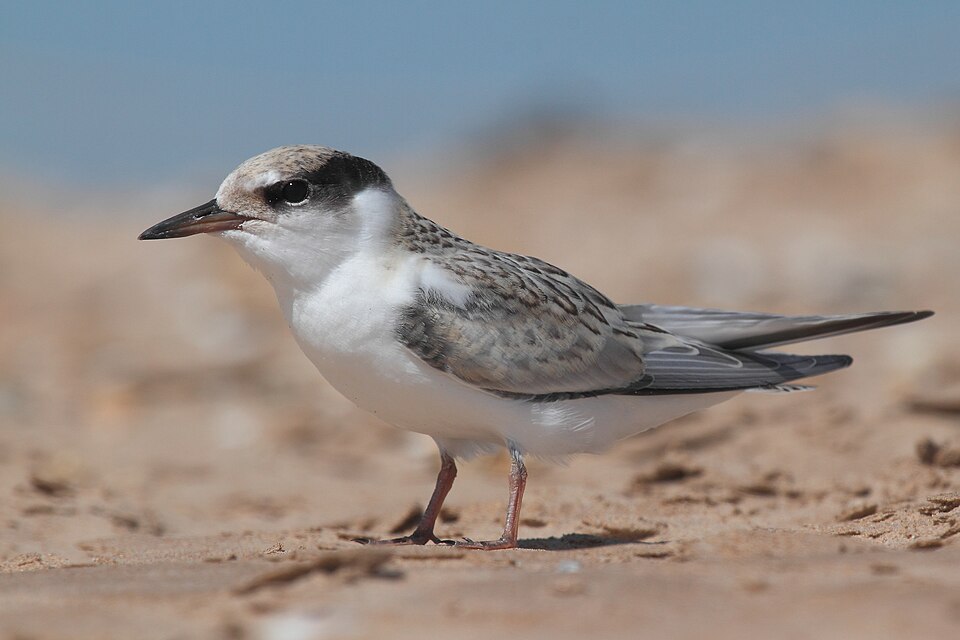 Fraticello
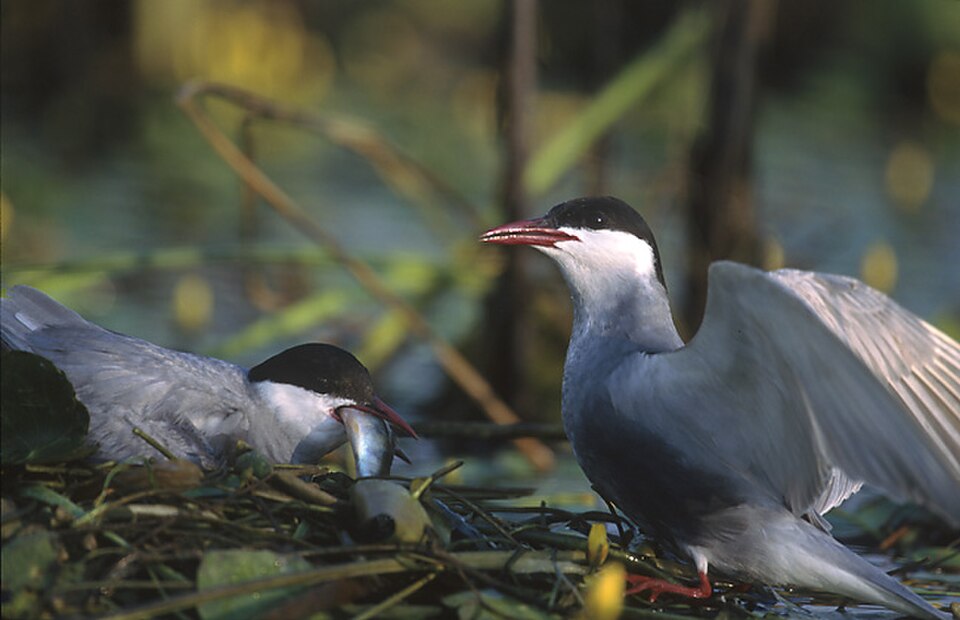 Mignattino piombato
In breve
Il segno distintivo più affidabile tra Fraticello e Mignattino piombato è la struttura generale e il tono del piumaggio: il Fraticello è molto più piccolo, con un becco giallo delicato e affilato (con punta nera in riproduzione), gambe gialle e una fronte bianca netta in piumaggio di riproduzione, mentre il Mignattino piombato è più grande, con un corpo più pesante, un becco e gambe rosse più robuste e un aspetto scuro e sfocato in piumaggio di riproduzione. Gli uccelli giovani e non in riproduzione sono più facilmente separabili per dimensione, colore del becco e le parti superiori più scure e maculate del Mignattino piombato e il pattern della testa meno definito. In volo, il Fraticello appare delicato e leggero, con una coda più lunga e profondamente biforcuta, mentre il Mignattino piombato ha una coda più corta e simile a quella di una rondine e ali più larghe. Fai attenzione al forte contrasto nel colore del becco e delle gambe, e al distintivo ventre scuro del Mignattino piombato e al pattern della testa a forma di C in piumaggio di riproduzione.
Consigli di identificazione
- Dimensione e struttura: Il Fraticello è molto più piccolo e più delicato, con un becco fine e affilato e una coda più lunga e profondamente biforcuta. Il Mignattino piombato è più massiccio, con un becco più robusto e una coda più corta, simile a quella di una rondine. Questo è spesso il segnale più rapido sul campo.
- Colore del becco: In riproduzione, il Fraticello ha un becco giallo con una punta nera; in inverno, il becco diventa nero. Il Mignattino piombato ha sempre un becco rosso (meno brillante in inverno), mai giallo. Il colore del becco è visibile da vicino o in buona luce.
- Colore delle gambe: Le gambe del Fraticello sono gialle in piumaggio di riproduzione, più opache in inverno. Le gambe del Mignattino piombato sono rosse, diventando più opache ma mai gialle. Il colore delle gambe è un buon indicatore sugli uccelli in perching.
- Pattern della testa (riproduzione): Il Fraticello ha una fronte bianca netta che contrasta con una corona nera. Il Mignattino piombato ha un cappello nero, ma il bianco sul viso è meno definito, con una banda scura a forma di C attraverso le copritrici auricolari e un collare meno distinto.
- Pattern della testa (non riproduzione/giovanile): Entrambe le specie mostrano più bianco sulla fronte in inverno, ma quella del Fraticello è più pulita e più estesa. La testa del Mignattino piombato è maculata, con la banda scura delle copritrici auricolari e una corona disordinata, specialmente nei giovani.
- Parti superiori (giovanile): I giovani del Mignattino piombato hanno un dorso ginger 'scaglioso', con piume bordate e barrate di buff, dando un aspetto maculato. I giovani del Fraticello sono più semplici sopra, privi di questo forte effetto scaglioso.
- Colore del corpo: Il Fraticello è pallido sopra e sotto, sempre apparendo pulito e bianco. Il Mignattino piombato in riproduzione è grigio scuro sopra e sotto, dando un'impressione molto più cupa. In inverno, diventa più chiaro ma rimane comunque più grigio del Fraticello.
- Forma della coda: La coda del Fraticello è più lunga e più profondamente biforcuta, spesso proiettando bene oltre le punte delle ali quando è in perching. La coda del Mignattino piombato è più corta e meno biforcuta, più simile a quella di una rondine.
- Stile di volo: Il Fraticello è agile, spesso sospeso e tuffandosi. Il Mignattino piombato ha un volo più diretto, planante, spesso pattugliando a bassa quota sopra le paludi.
- Habitat: Il Fraticello è costiero o su laghi/r fiumi aperti; il Mignattino piombato è uno specialista delle paludi, raramente su coste aperte. Se vedi un gabbiano sopra un canneto o una palude, è più probabile che sia un Mignattino piombato.
- Voce: Il Fraticello emette richiami acuti e alti; il Mignattino piombato emette un 'krekk' più basso e graffiante. Utile se sentito bene.
- Postura in perching: Il Fraticello appare eretto e delicato; il Mignattino piombato è più pesante e più curvo.
- Contesto stagionale: In stagione di riproduzione, cerca il Fraticello su spiagge sabbiose o rive di fiumi, il Mignattino piombato nelle paludi. In migrazione, entrambi possono apparire nell'entroterra, ma habitat e struttura rimangono fondamentali.
- Trappole: I Mignattini piombati immaturi possono apparire pallidi sotto e disordinati sopra, ma controlla sempre il dorso scaglioso ginger e la banda scura delle copritrici auricolari. I giovani del Fraticello non mostrano mai questo pattern.
- Quando hai dubbi: Dimensione, colore del becco e delle gambe, e oscurità generale sono gli indizi più sicuri. Se hai una vista chiara del becco e delle gambe, e l'uccello non è straordinariamente piccolo e bianco, è probabile che sia un Mignattino piombato.
Taglia
Il Fraticello è significativamente più piccolo, pesando circa 57g, rispetto ai 84g del Mignattino piombato. Sul campo, il Fraticello appare notevolmente più delicato, con un corpo più corto e una costruzione più fine. Il Mignattino piombato è più massiccio, con una testa e un petto più pesanti e un becco più robusto. La differenza è solitamente ovvia quando visti fianco a fianco o quando si è familiari con entrambe le specie. L'apertura alare del Fraticello (41–47 cm) è anche più corta di quella del Mignattino piombato, e il suo volo è più fluttuante e agile.
Piumaggio
-
Giovanile/Primo inverno: I giovani del Mignattino piombato mostrano un dorso ginger 'scaglioso', con piume marroni scure bordate e barrate di buff, e un aspetto maculato e meno pulito nel complesso. Il loro pattern della testa è disordinato, con una corona nera maculata e una banda scura a forma di C attraverso le copritrici auricolari. I giovani del Fraticello sono molto più semplici, privi del forte effetto ginger o scaglioso, e mantengono un pattern della testa più pulito e contrastante. In entrambe le specie, il colore del becco e delle gambe è meno brillante rispetto agli adulti, ma quelli del Mignattino piombato non sono mai gialli.
-
Adulto in riproduzione: Il Fraticello ha una fronte bianca nettamente distinta da una corona nera, un becco giallo con una punta nera e gambe gialle. Il corpo è pallido sopra e sotto. Gli adulti del Mignattino piombato hanno un cappello nero, guance bianche, un corpo grigio scuro sopra e sotto, e un becco e gambe rossi. Il loro pattern della testa è meno definito, con una banda scura a forma di C attraverso le copritrici auricolari e un collare meno distinto.
-
Adulto non in riproduzione/inverno: Entrambe le specie sviluppano più bianco sulla fronte, ma il becco del Fraticello diventa nero e le gambe più opache, mentre il becco e le gambe del Mignattino piombato diventano meno rossi ma mai gialli. Il corpo del Mignattino piombato diventa grigio più chiaro, ma rimane comunque più scuro del Fraticello, e la testa mantiene un aspetto disordinato e maculato piuttosto che una fronte bianca netta.
Comportamento
Il Fraticello è agile e leggero in volo, spesso sospeso prima di tuffarsi per pesci. Di solito cerca cibo su acque aperte o lungo coste e fiumi. Il Mignattino piombato ha un volo più diretto, simile a quello di una rondine, con ali più larghe e una coda più corta e meno biforcuta. Spesso pattuglia a bassa quota sopra le paludi e le zone umide, prendendo prede dalla superficie o in tuffi poco profondi. In perching, il Fraticello appare piccolo e eretto, mentre il Mignattino piombato appare più pesante e curvo.
Habitat
Il Fraticello nidifica su coste sabbiose o ghiaiose, rive di fiumi e sponde di laghi, ed è più spesso visto intorno ad acque aperte o spiagge. Il Mignattino piombato preferisce le paludi interne, i canneti e le zone umide, raramente trovato su coste aperte. In migrazione, il Mignattino piombato può apparire in laghi e bacini, ma è ancora più probabile trovarlo in habitat paludosi e vegetati. L'habitat può essere un forte indizio, specialmente in stagione di riproduzione.
Voce
Il Fraticello emette richiami acuti e di alta tonalità, spesso descritti come 'kit' o 'kik'. Il richiamo del Mignattino piombato è un 'krekk' caratteristico, più basso e graffiante. La voce è utile se conosci i suoni, ma meno affidabile rispetto ai segni visivi per la maggior parte degli osservatori.