
Charrancito Común vs Fumarel Cariblanco
Sternula albifrons frente a Chlidonias hybrida
Juega un quiz con Charrancito Común y Fumarel Cariblanco
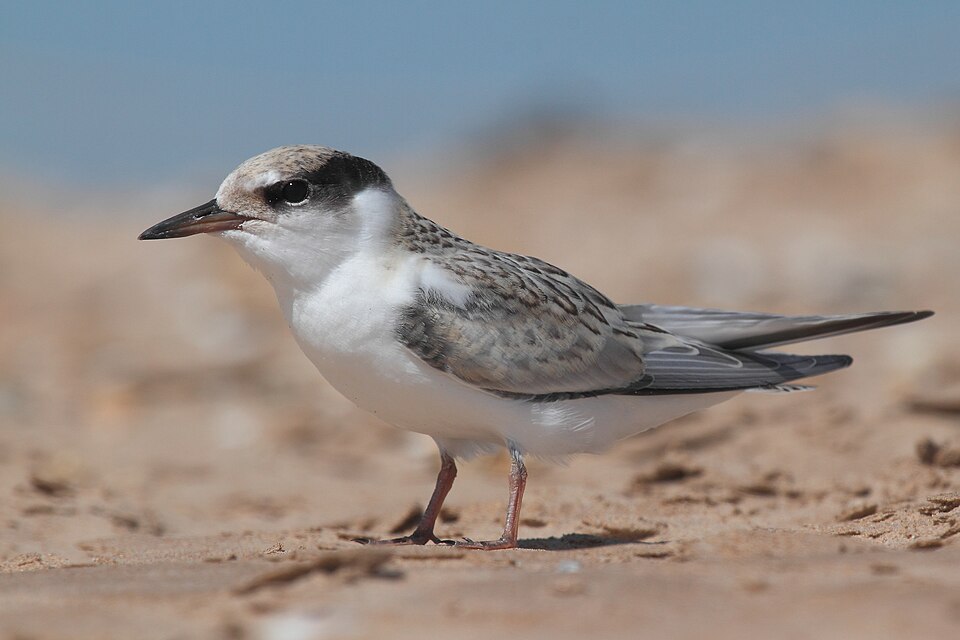 Charrancito Común
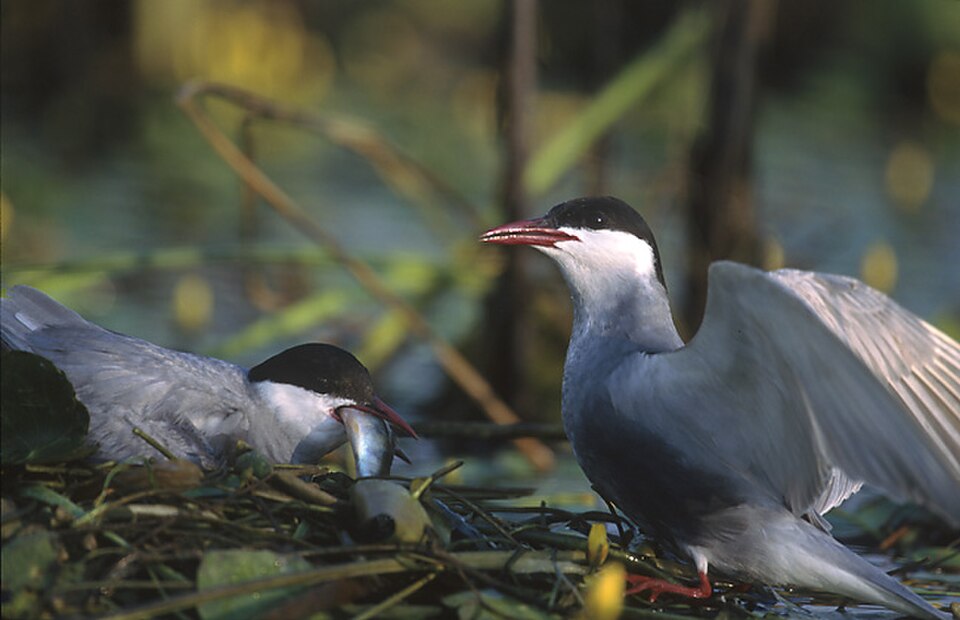 Fumarel Cariblanco
En breve
La marca de campo más confiable entre Charrancito Común y Fumarel Cariblanco es la estructura general y el tono del plumaje: Charrancito Común es mucho más pequeño, con un pico amarillo delicado y afilado (con punta negra en época de cría), patas amarillas y una frente blanca nítida en plumaje de cría, mientras que Fumarel Cariblanco es más grande, de cuerpo más pesado, con un pico y patas rojas más robustos, y un aspecto oscuro y borroso en plumaje de cría. Las aves juveniles y no reproductoras se separan más fácilmente por tamaño, color del pico y la parte superior más oscura y moteada del Fumarel Cariblanco y un patrón de cabeza menos definido. En vuelo, Charrancito Común se ve delicado y ligero, con una cola más larga y profundamente ahorquillada, mientras que Fumarel Cariblanco tiene una cola más corta y parecida a la de una golondrina y alas más anchas. Presta atención al fuerte contraste en el color del pico y las patas, y al distintivo color oscuro de la parte inferior del Fumarel Cariblanco y el patrón de cabeza en forma de C en plumaje de cría.
Consejos de identificación
- Tamaño y estructura: Charrancito Común es mucho más pequeño y delicado, con un pico fino y afilado y una cola más larga y profundamente ahorquillada. Fumarel Cariblanco es más robusto, con un pico más grueso y una cola más corta, parecida a la de una golondrina. Esta es a menudo la pista de campo más rápida.
- Color del pico: En época de cría, Charrancito Común tiene un pico amarillo con punta negra; en invierno, el pico se vuelve negro. Fumarel Cariblanco siempre tiene un pico rojo (más apagado en invierno), nunca amarillo. El color del pico es visible a corta distancia o con buena luz.
- Color de las patas: Las patas del Charrancito Común son amarillas en plumaje de cría, más apagadas en invierno. Las patas del Fumarel Cariblanco son rojas, volviéndose más apagadas pero nunca amarillas. El color de las patas es un buen indicador en aves posadas.
- Patrón de cabeza (cría): Charrancito Común tiene una frente blanca nítida que contrasta con una corona negra. Fumarel Cariblanco tiene una gorra negra, pero el blanco en la cara está menos definido, con una banda oscura en forma de C a través de las cobertoras de las orejas y un collar menos distintivo.
- Patrón de cabeza (no cría/juvenil): Ambas especies muestran más blanco en la frente en invierno, pero la del Charrancito Común es más limpia y extensa. La cabeza del Fumarel Cariblanco es moteada, con la banda oscura de las cobertoras de las orejas y la corona desordenada, especialmente en juveniles.
- Partes superiores (juvenil): Los juveniles de Fumarel Cariblanco tienen un dorso escamoso de color jengibre con bordes y barras de color crema, dando un aspecto moteado. Los juveniles de Charrancito Común son más simples arriba, careciendo de este fuerte efecto escamoso.
- Color del cuerpo: Charrancito Común es pálido arriba y abajo, siempre luciendo limpio y blanco. Fumarel Cariblanco en época de cría es gris oscuro arriba y abajo, dando una impresión mucho más oscura. En invierno, se vuelve más pálido pero aún más gris que Charrancito Común.
- Forma de la cola: La cola del Charrancito Común es más larga y más profundamente ahorquillada, a menudo proyectándose más allá de las puntas de las alas cuando está posado. La cola del Fumarel Cariblanco es más corta y menos ahorquillada, más parecida a la de una golondrina.
- Estilo de vuelo: Charrancito Común es ágil, a menudo flotando y zambulléndose. Fumarel Cariblanco tiene un vuelo más directo y planeador, a menudo patrullando bajo sobre pantanos.
- Hábitat: Charrancito Común es costero o se encuentra en lagos/ríos abiertos; Fumarel Cariblanco es un especialista de pantano, rara vez en costas abiertas. Si ves un charrán sobre un lecho de juncos o pantano, es más probable que sea un Fumarel Cariblanco.
- Voz: Charrancito Común emite llamados agudos y altos; Fumarel Cariblanco emite un 'krekk' más bajo y rasposo. Útil si se escucha bien.
- Postura posada: Charrancito Común se ve erguido y delicado; Fumarel Cariblanco es más pesado y más encorvado.
- Contexto estacional: En época de cría, busca Charrancito Común en playas de arena o márgenes de ríos, Fumarel Cariblanco en pantanos. En migración, ambos pueden aparecer en el interior, pero el hábitat y la estructura siguen siendo clave.
- Trampas: Los Fumareles Cariblancos inmaduros pueden parecer pálidos por debajo y desordenados por encima, pero siempre verifica el dorso escamoso de jengibre y la banda oscura de las cobertoras de las orejas. Los juveniles de Charrancito Común nunca muestran este patrón.
- Cuando tengas dudas: El tamaño, el color del pico y las patas, y la oscuridad general son las pistas más seguras. Si tienes una vista clara del pico y las patas, y el ave no es notablemente pequeña y blanca, es probable que sea un Fumarel Cariblanco.
Tamaño
Charrancito Común es significativamente más pequeño, pesando alrededor de 57g, en comparación con los 84g del Fumarel Cariblanco. En el campo, Charrancito Común parece notablemente más delicado, con un cuerpo más corto y una construcción más fina. Fumarel Cariblanco es más robusto, con una cabeza y pecho más pesados, y un pico más robusto. La diferencia suele ser obvia cuando se ven uno al lado del otro o cuando se está familiarizado con ambas especies. La envergadura de Charrancito Común (41–47 cm) también es más corta que la del Fumarel Cariblanco, y su vuelo es más aleteante y ágil.
Plumaje
-
Juvenil/Primer invierno: Los juveniles de Fumarel Cariblanco muestran un dorso 'escamoso' de color jengibre, con plumas marrones oscuras bordeadas y barradas de color crema, y una apariencia moteada y menos limpia en general. Su patrón de cabeza es desordenado, con una corona negra moteada y una banda oscura en forma de C a través de las cobertoras de las orejas. Los juveniles de Charrancito Común son mucho más simples, careciendo del fuerte efecto jengibre o escamoso, y mantienen un patrón de cabeza más limpio y contrastante. En ambas especies, el color del pico y las patas son menos brillantes que en los adultos, pero los del Fumarel Cariblanco nunca son amarillos.
-
Adulto en cría: Charrancito Común tiene una frente blanca que contrasta nítidamente con una corona negra, un pico amarillo con punta negra y patas amarillas. El cuerpo es pálido arriba y abajo. Los adultos de Fumarel Cariblanco tienen una gorra negra, mejillas blancas, un cuerpo gris oscuro arriba y abajo, y un pico y patas rojas. Su patrón de cabeza está menos definido, con una banda oscura en forma de C a través de las cobertoras de las orejas y un collar menos distintivo.
-
Adulto no en cría/invierno: Ambas especies desarrollan más blanco en la frente, pero el pico del Charrancito Común se vuelve negro y las patas más apagadas, mientras que el pico y las patas del Fumarel Cariblanco se vuelven menos rojas pero nunca amarillas. El cuerpo del Fumarel Cariblanco se vuelve gris más pálido, pero aún más oscuro que el Charrancito Común, y la cabeza mantiene un aspecto desordenado y moteado en lugar de una frente blanca nítida.
Comportamiento
Charrancito Común es ágil y ligero en vuelo, a menudo flotando antes de zambullirse para pescar. Típicamente forrajea sobre aguas abiertas o a lo largo de costas y ríos. Fumarel Cariblanco tiene un vuelo más directo, parecido al de una golondrina, con alas más anchas y una cola más corta y menos ahorquillada. A menudo patrulla bajo sobre pantanos y humedales, recogiendo presas de la superficie o en zambullidas poco profundas. Posado, Charrancito Común se ve pequeño y erguido, mientras que Fumarel Cariblanco parece más pesado y más encorvado.
Hábitat
Charrancito Común cría en costas de arena o grava, márgenes de ríos y orillas de lagos, y se ve más a menudo alrededor de aguas abiertas o playas. Fumarel Cariblanco prefiere pantanos interiores, lechos de juncos y humedales, rara vez se encuentra en costas abiertas. En migración, el Fumarel Cariblanco puede aparecer en lagos y embalses, pero sigue siendo más probable en hábitats pantanosos y vegetados. El hábitat puede ser una pista fuerte, especialmente en época de cría.
Voz
Charrancito Común emite llamados agudos y de tono alto, a menudo descritos como 'kit' o 'kik'. El llamado del Fumarel Cariblanco es un 'krekk' característico, más bajo y rasposo. La voz es útil si conoces los sonidos, pero menos confiable que las marcas visuales para la mayoría de los observadores.